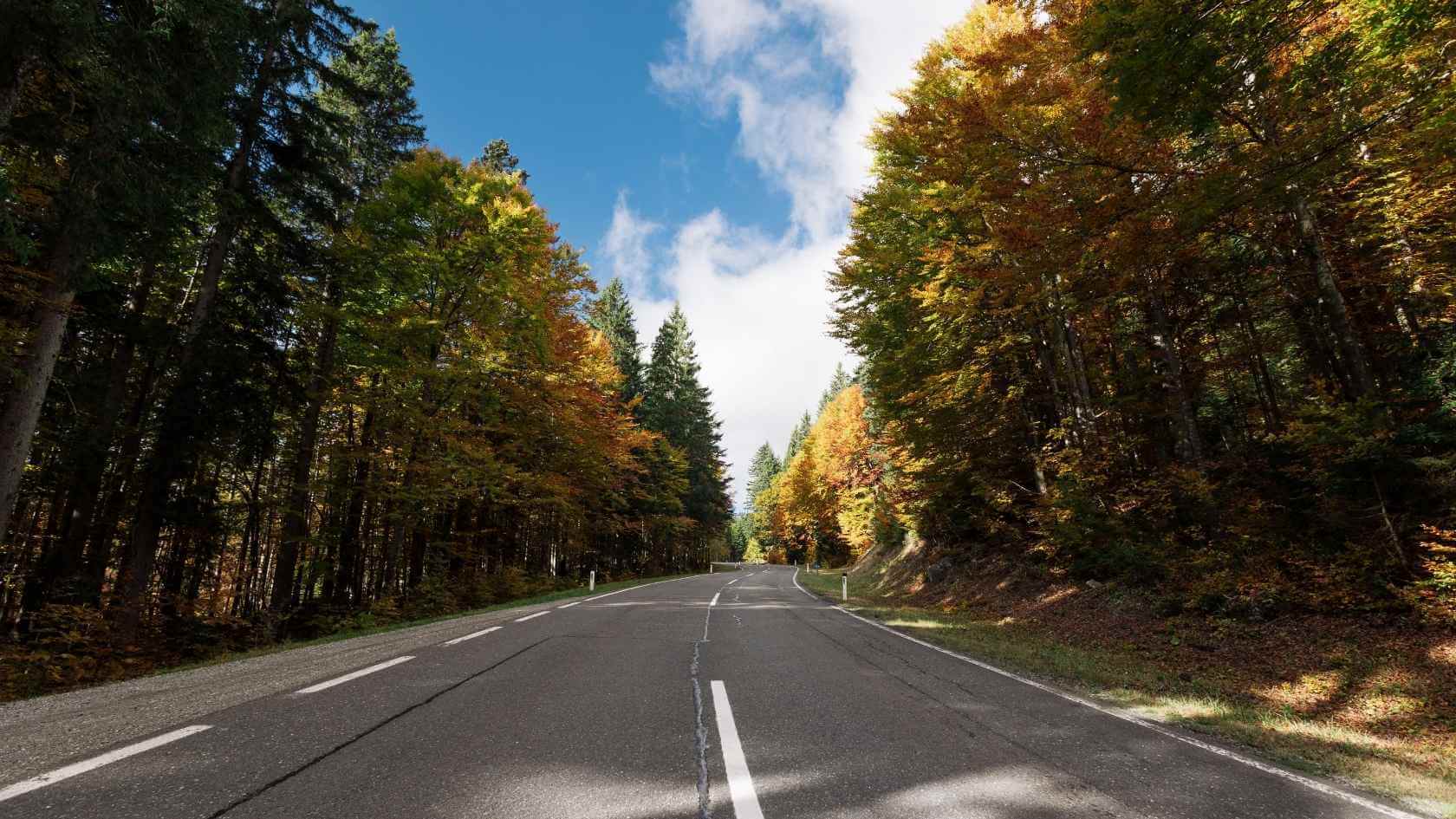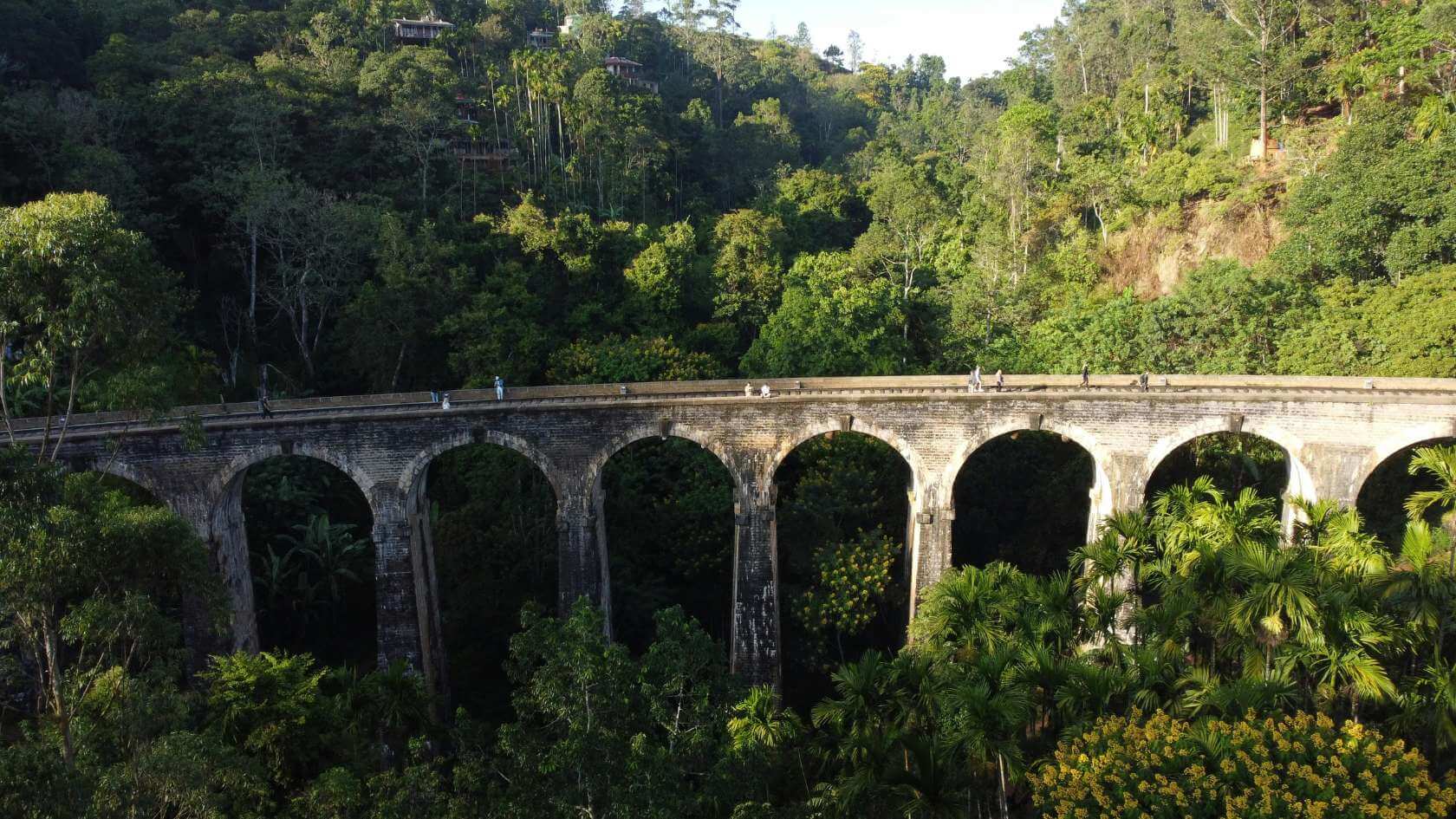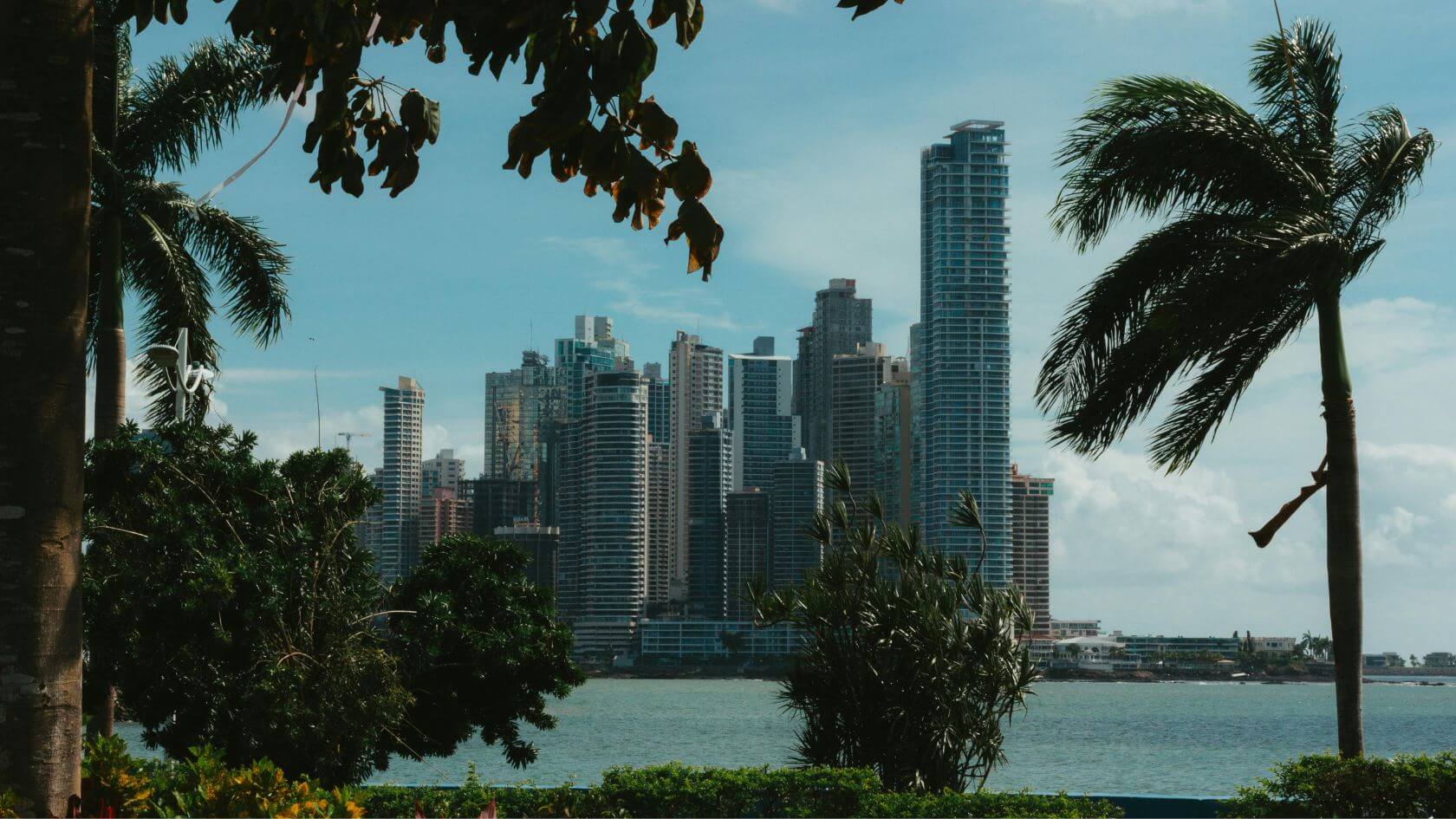

Panama is SO much more than just the canal. Think hidden waterfalls, surf beaches in Santa Catalina and the misty jungle around Boquete. Precisely because the highlights are so spread out, private transport is ideal if you want to get as much out of your trip as possible. In three weeks, you can travel leisurely from Panama City to Bocas del Toro, stopping wherever you like along the way at your own pace. That sense of freedom is exactly why we (almost) always opt for a rental car during a round trip.
In this blog, we explain step by step how car rental in Panama works, what to look out for and when it is wiser not to take a car. We also share our personal experiences, from picking you up at Tocumen Airport to driving on the Pan-American Highway, so you will be fully prepared for your trip!


When is renting a car in Panama a smart choice?
A hire car is especially ideal if you really want to experience Panama and not be stuck with fixed itineraries. The biggest advantage is in flexibility: you set your own pace, you stop at viewpoints or beaches you would otherwise drive by, and you are not dependent on shuttle times or bus connections. So renting a car in Panama is usually a good choice if you:
- Take a round trip and combine several regions (e.g. Panama City, El Valle de Anton, Santa Catalina, Boquete and Bocas del Toro).
- Like to go out early or return late without having to wait for transport.
- Want to visit less touristy places that are not logically accessible by buses or other public transport.
- Travelling in pairs (or more people). The cost and convenience then often outweigh shuttles faster.
At the same time, a car is not always the best option. For example, it may be more convenient not to rent a car if your trip consists mainly of:
- Panama City (where traffic is heavy and parking can sometimes be tricky).
- Bocas del Toro (where, once on the islands, you get around mostly on foot, by water taxi or scooter).
- Plotting an itinerary where you catch a lot of domestic flights.
Our rule of thumb: the more your itinerary revolves around freedom and nature, the more logical a rental car becomes. The more your itinerary revolves around cities and islands, the less necessary.
Car hire in Panama vs public transport
Public transport in Panama is doable, especially on the main route along the Pan-American Highway. Buses are cheap and on popular routes there are also many shuttles that take you from place to place. But cheap does not always mean “easy”. Shuttles are tied to fixed times, buses sometimes require transfers and you are less flexible along the way.
Looking purely at costs, public transport is usually more economical. But once you include the costs of multiple shuttles, taxis to terminals, extra nights due to departure times as well as the loss of freedom, this calculation often changes. Especially if you are travelling with two people or more, a rental car is often not even much more expensive and the trip feels a lot more relaxed.

Renting a car in Panama: this is how to arrange it (our experience with Sunny Cars)
We actually always choose Sunny Cars, precisely because it means you avoid a lot of hassle. In Panama, the roads can be challenging: an unexpected pothole in the road or unpaved paths are not rare. Personally, we like it then that you don't think at every bump: if this goes wrong, what about my insurance?
Carefree driving: “all-in” is really all-in
What we think is strong is that at Sunny Cars often all-inclusive insurance. This means you don't need to take out extra insurance with the local rental company. Ideal because it's board and go. Consider cover that is extra relevant in Panama, such as:
- Fully insured & deductible refund in case of damage: With Sunny Cars, you are always fully insured. Sometimes the local rental company tries to sell you extra insurances but this is not necessary! Everything is covered with the included insurance from Sunny Cars. So don't be tempted because they will even refund your excess in case of damage.
- Glass-tire-bottom-roof damage: Especially in Panama, where you sometimes drive on dirt tracks to your accommodation, this is a must.
- Flexservice: With this, you have the option to cancel the car 1 hour before rental start. Ideal if your travel plans suddenly change.
- ANWB discounts: If you are a member of the ANWB then you get member benefits.
- 24/7 support: Sunny Cars offers a 24/7 emergency number where you can get help in Dutch in case of any problems.
- SGR seal of approval: This probably doesn't mean anything to you, but this means that if Sunny Cars were to go bankrupt you would receive your money back nicely.
 Please note that we only have experience with Sunny Cars. If you book with another rental partner, please read carefully before you book what is included in your reservation.
No credit card? Sometimes no problem
One of the biggest stumbling blocks in car rental is the credit card in the name of the main driver. Sunny Cars sometimes offers the “No Deposit” option in Panama. With this, they take over the risk for the deposit, allowing you to collect the car without a credit card in some cases.
Always check this option directly when booking, as it can vary by country and period. So see it as a possibility, not a guarantee.
Fastlane service at Tocumen Airport (necessary or not?)
If you land at Tocumen Airport and want to get on to your first accommodation as quickly as possible, the Fastlane service may come in handy. With the Fastlane service (often free for ANWB members or for a small extra charge), you skip the queue at the counter and your rental contract is already filled out. The idea is simple: avoid queues and get your contract sorted faster.
We did not take advantage of this ourselves, as we landed in the middle of the night and thought it would be quiet. This turned out to be the case: we were quick on our feet and were soon outside again.
Which car do you need in Panama?
The right car depends mainly on your route and how much comfort you like on the road. In practice, you can travel through Panama in almost any car, but fair is fair: our preference is for an SUV.
Small car: If you mainly drive on the main roads, stay in easily accessible accommodation and want to keep it budget-friendly, a small car will do. We ourselves drove for three weeks through Panama in a compact Hyundai and it went surprisingly well. Bumps, potholes and potholes are more noticeable and you need to pay extra attention, but it is absolutely doable.
SUV: In our opinion, an SUV offers more comfort, mainly due to the higher seat and extra ground clearance. This is nice on roads with lots of bumps or less smooth tarmac, for example towards El Valle de Antón or along the coast. Not a must, but a nice upgrade if it fits within your budget.
4×4: For most tours of Panama, a true 4×4 is not necessary. Only if you deliberately want to drive off-road or choose routes known for muddy or difficult roads in certain seasons.


Read also: Continuous or Short-term Travel Insurance: Which Do You Choose?
How to collect your rental car at Tocumen Airport (Panama City)
Arriving in Panama is wonderful: tropical air, palm trees, and your travel spirit is immediately “on”. But how exactly does picking up that rental car work?
1. Arrival at Tocumen Airport (Terminal 1 & 2)
Most international flights arrive at Terminal 2. The car rental companies are often in Terminal 1. Fortunately, this is not a problem and you can walk to Terminal 1 via the connecting corridor in about five minutes. Got a lot of luggage? Then just catch the free shuttle bus.
Tip: make sure you have your booking confirmation or voucher (digital or printed) to hand. This will tell you exactly which local rental company you need to contact.
2. On the road within 5 minutes
Once in Terminal 1, find the desk of your rental company. In our case, this was SunnyCars. At the counter, hand over your documents: your voucher, driving licence, passport and possibly the credit card for the deposit (depending on your booking).
Note: book through Sunny Cars? Then you are already fully insured and do not need to take out additional insurance (no matter how many times they try)..
Then walk to the car with an employee for a check-up. Take photos of existing damage, check the tyres and take a look at the windows and rims. In Panama, a small stone can quickly cause a scratch, and it's simply nice to have proof of the condition in which you take the car. Everything settled? Then your holiday has officially begun!
3. No hassle with tolls (Panapass)
Panama has toll roads, including around Panama City. Many rental cars are equipped with an electronic chip (Panapass), allowing you to drive through at toll booths. The costs incurred are settled afterwards. This saves hassle with cash and avoids having to search for coins at every tollgate.
4. Car return: it's that easy!
Returning is usually very simple. At the airport, follow the signs Car rental return, park the car at the designated spot and have a staff member make a final check. Signature, pack your things and you can move on.
Tip: always take a picture of the fuel gauge and a few photos of the outside when returning the car. That way you have proof that you left the car tidy. It will take you one minute, but can prevent a lot of discussion.
Driving in Panama: safety, roads and traffic
Driving in Panama raises questions for many travellers. Is it safe? What are the roads like? And what should you consider when getting behind the wheel yourself for the first time in this country? The good news: driving in Panama is doable, especially outside the big cities.
Is driving in Panama safe?
This is one of the most frequently asked questions, and rightly so. Our answer: yes, driving in Panama is safe. Panama City is busy and sometimes chaotic, so you need to stay sharp. But once you leave the skyline behind, driving often actually becomes relaxed.
In Panama, they drive on the right and the basic rules are very similar to those in the Netherlands. Overtaking is sometimes a bit more chaotic than we are used to (left and right are alternated), but this is not something to worry about. Take your time, adjust your speed and enjoy the scenery.
What are the roads like in Panama?
The main roads, such as the Pan-American Highway, are well maintained in our experience. But be careful once you steer towards the smaller villages. Once you get off the main route, the road surface often changes rapidly and potholes (holes in the road) are common. Take these potholes seriously. They are usually avoidable, but sometimes you see them too late. Driving slowly, especially in villages and on back roads, saves damage as well as stress. Do you have an SUV? Then you will often drive over them without blinking an eye.
What we noticed: They are investing heavily in the road surface in Panama. The route to Santa Catalina, for instance, was a brand new one-and-a-half-hour long road that felt like a tight go-kart track.
Thresholds: the “policía muerto”
A typical Panama thing are the speed bumps. Some are clearly marked, others pop up suddenly. They can be high, so especially at night it is smart to pay extra attention.
Driving in the dark
If you can avoid it, do it. After all, driving in the dark outside cities is just less pleasant. Not because it's necessarily unsafe, but because you can't see potholes, speed bumps and unlit stretches as well.

Practical tips along the way
Besides the state of the roads and the traffic itself, there are also practical things that make driving in Panama just a little different from driving at home. No big things, but handy to know.
Refuelling in Panama: this is how it works
Refuelling in Panama is a little experience and slightly different from back home. At many filling stations, people fill up for you: you stay seated, indicate how many dollars you want to fill up for and pay. This almost feels luxurious at first.
Will you fill up yourself anyway? Then pay attention: many pumps require you to manually raise a clip where the fuel gun rests before the petrol starts flowing. In the Netherlands, this is automatic, but here you have to arrange it yourself.
 Filling up here is a lot cheaper than ours. For about $35, we had another full tank!
Parking in Panama
Apart from the car parks and secure spots in Panama City, you don't actually have to pay for your parking space anywhere. Once you leave the city, you can park your car almost anywhere along the road or near your accommodation for free, as long as you are not in the way.
What does it cost to rent a car in Panama?
You can already rent a car in Panama from €40 per day including insurance. However, prices do depend a lot on the period you go and how far in advance you book. Check the website of Sunnycars.co.uk and choose a car that suits you!
What often saves money is choosing the same location for car pick-up and return. Sunny Cars has more than 20 pick-up locations, but an airport location is often the most practical: you save taxi costs and have immediate access to a car for the whole trip.
Tip: We drove from the region near Bocas del Toro (Almirante) back to Panama City in one day. That's about a nine-hour drive, but doable because you drive mostly on the main road. So you save a lot on one-way costs and plane tickets.
What are common mistakes when renting a car in Panama
A few mistakes we often hear (and which you can easily avoid) that will make your trip and preparations just a little more relaxed:
- Late booking during busy periods: If you wait too long, the fine cars will be gone or you will pay more.
- Purchase additional insurance on the spot “just to be on the safe side”: If you check your coverage in advance, you will avoid unnecessary costs.
- Damage not properly recorded on collection and return: Taking photos or a video takes one minute and can really save you hassle.
- Driving long stretches in the dark: We definitely do not recommend this. During the day, it is simpler and more relaxed because then you can see the high thresholds and potholes much better.
- Planning an overly ambitious route: Panama looks small on the map, but travelling from place to place takes time. So be sure to schedule rest days too.

Frequently asked questions about car rental in Panama
Do you need an international driving licence in Panama?
In practice, a Dutch driving licence is usually sufficient. Still, it is smart to check in advance what your rental company requires as conditions may differ.
Do you need a credit card for the deposit?
Often yes, and usually in the name of the main driver. Sometimes there are options where the deposit is arranged differently, but this varies by rental company and period. Always check this before booking if you don't have a credit card.
Need to rent an SUV or 4×4 in Panama?
For most routes, an SUV is nice but not mandatory. A small car will do fine, especially on the main roads. A 4×4 is usually only necessary if you have real off-road plans or are driving in specific conditions.
Is driving in Panama safe?
Yes, driving in Panama is doable for most travellers. In Panama City it is busy and chaotic, but outside the city you will often drive quietly on good main roads. Preferably avoid long drives in the dark and watch out for speed bumps and potholes.
Can you drive to Costa Rica in a hire car?
This depends on the rental company and insurance. Some rental companies allow cross-border driving with extra paperwork or conditions, others do not. If this is part of your itinerary, arrange it in advance and get it confirmed.
What should I pay attention to when renting a car in Panama(checklist)?
- Driving licence: your Dutch driving licence is basically sufficient.
- Voucher/booking: digital or printed at hand.
- Navigation: download offline maps at Maps.me or Google Maps
- Photos: on collection and return (damage + fuel gauge).
- Toll: check whether a toll chip is present.
- Planning: Avoid long drives in the dark if you can.
- Flexibility: make sure you know until when you can cancel or change.
Conclusion: is renting a car in Panama something for you?
If you really want to explore Panama, a hire car is one of the best ways to experience the country at your own pace. You can stop wherever you want, you have freedom in your daily schedule and it's easier to get to places that are cumbersome with buses or shuttles. At the same time, a car is not a must if you mainly stay in Panama City or only travel to the islands. We hope this information helps you plan your trip. Still have questions? You can always send us a message at Instagram.
We try to keep this blog about car hire in Panama as up-to-date as possible but this cannot be done without your help. If anything has changed, please let us know via info@thousandtravelmiles.nl.
Some of the links in this blog about car hire in Panama are affiliate links. If you choose to make a purchase through these links, we receive a small commission at no extra cost to you. By using these affiliate links, you support Thousandtravelmiles. It allows us to roam the world, fund the website and offer you free information for planning your trip. This means that a ‘real’ person does a little dance of joy when you make a purchase through this link! You're a legend!