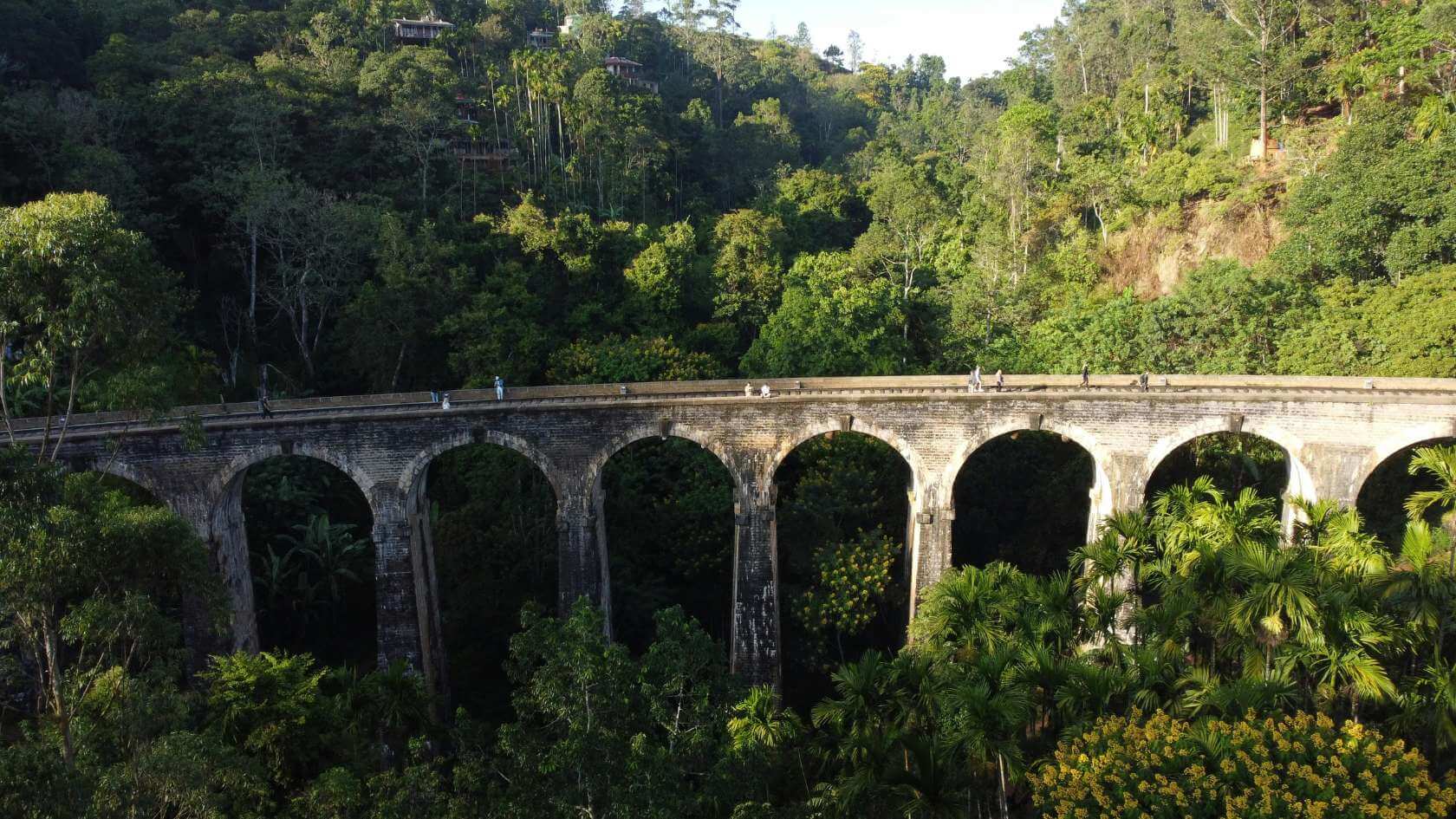

Sri Lanka's B35 is a road you won't soon forget. On the map it looks like an ordinary route through the south-east of the country, but in reality it was one of the most extraordinary stretches of our journey through Sri Lanka. Indeed, the road runs along the edge of Yala National Park, right in the middle of wild elephant habitat. This makes it a route that is as impressive as it is unpredictable.
Those who have seen the B35, aka the Elephant Road called, driving, soon understands why travellers talk about it so much. You hear the silence, see the dust blowing across the road and know that something could happen at any moment. It is a drive that calls for respect for nature and a bit of guts behind the wheel. In this blog, we tell you everything you need to know about this unique route, from practical tips to what to do if you actually come face to face with an elephant.
General information about Sri Lanka
Are you planning your trip to Sri Lanka? Then check out our tips for the best travel period, daily budget and applying for a visa. Find all information on Sri Lanka here.
Our experience on the B35
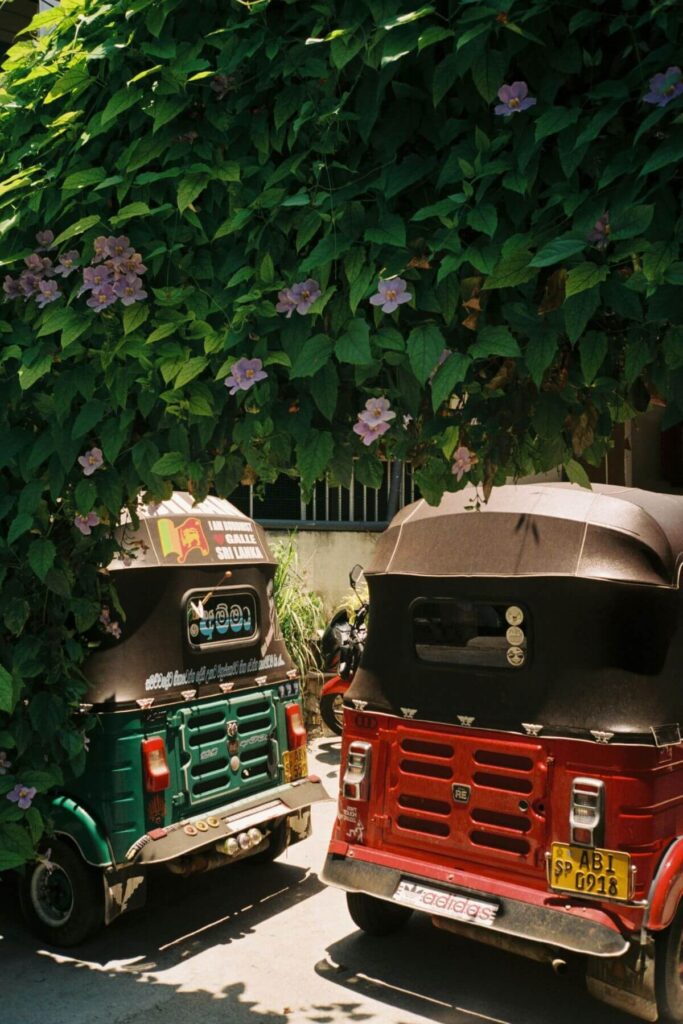
We drove the B35 in Sri Lanka with our own tuktuk from tuktukrental.com (affiliate link), and it became an experience we will never forget.
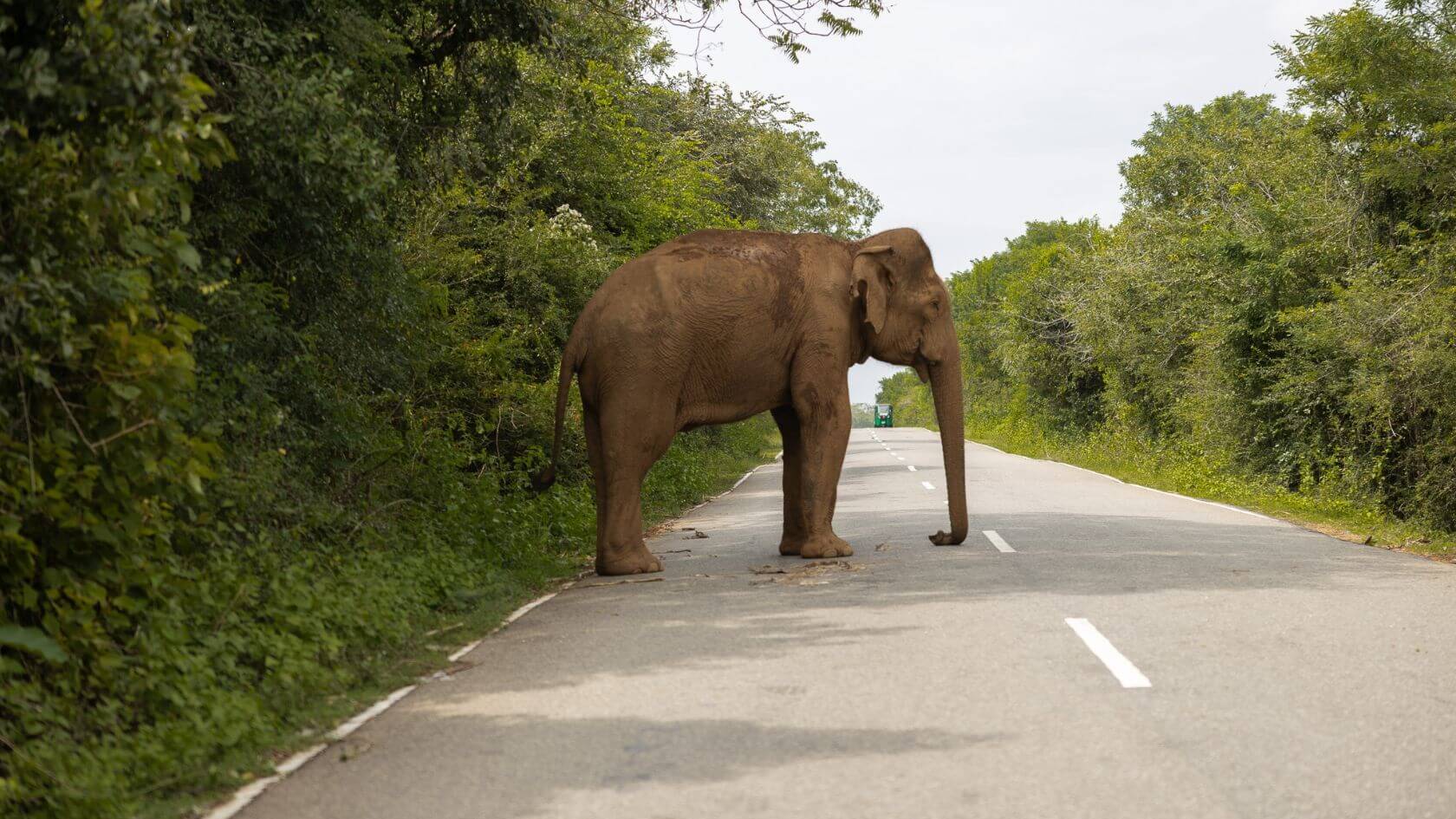
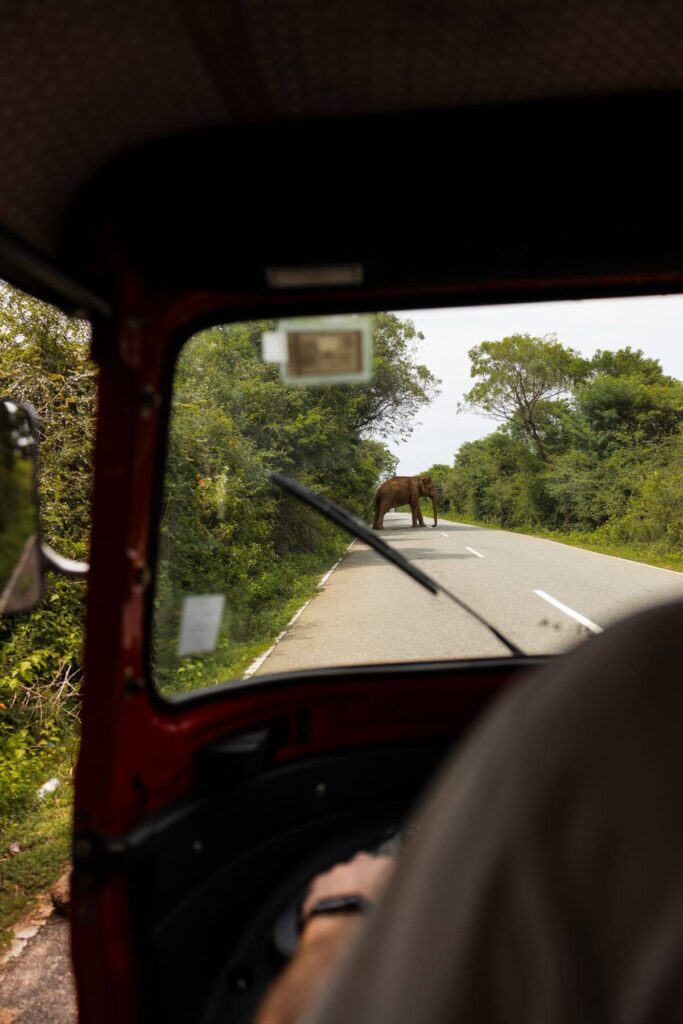
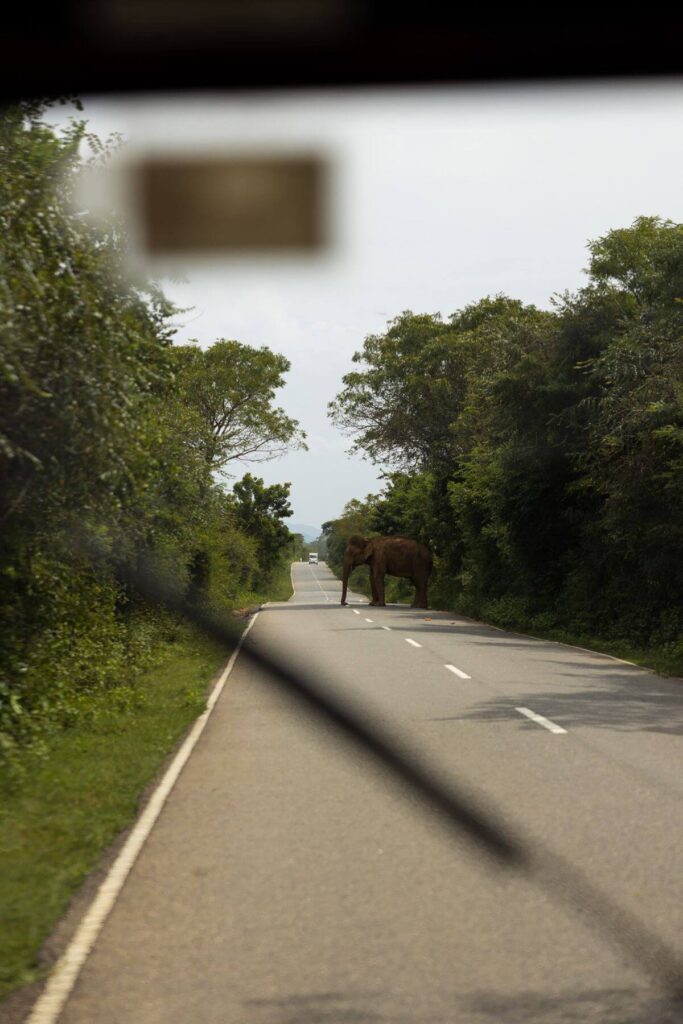
That morning we enthusiastically got in and decided to drive from Ella to the south coast via the B35. It was a slight diversions, but worth every kilometre. The first stretch seemed innocuous, maybe even a little boring. We saw a couple of grazing deer, but otherwise it was a quiet road that went on endlessly. Until we were almost at the end and the quiet was broken by something bigger. A dark silhouette appeared in the distance, slowly taking shape. An elephant, right in front of us on the road!
The camera went out of the bag, the GoPro in hand, and at a safe distance we enjoyed the moment. The animal stood quietly, as if it just wanted to let us know who was in charge here.
That encounter with a wild elephant was at once special and exciting. Only when we drove the route did we realise how impressive, but also unpredictable, this part of Sri Lanka can be. That is why we share all our tips in this blog, so you can safely experience this legendary road.
 Some of the links in this blog are affiliate links. If you choose to make a purchase through these links, we receive a small commission at no extra cost to you. This means that a ‘real’ person does a little joy dance when you make a purchase through this link! You're a legend!

Travelling through Sri Lanka by tuktuk
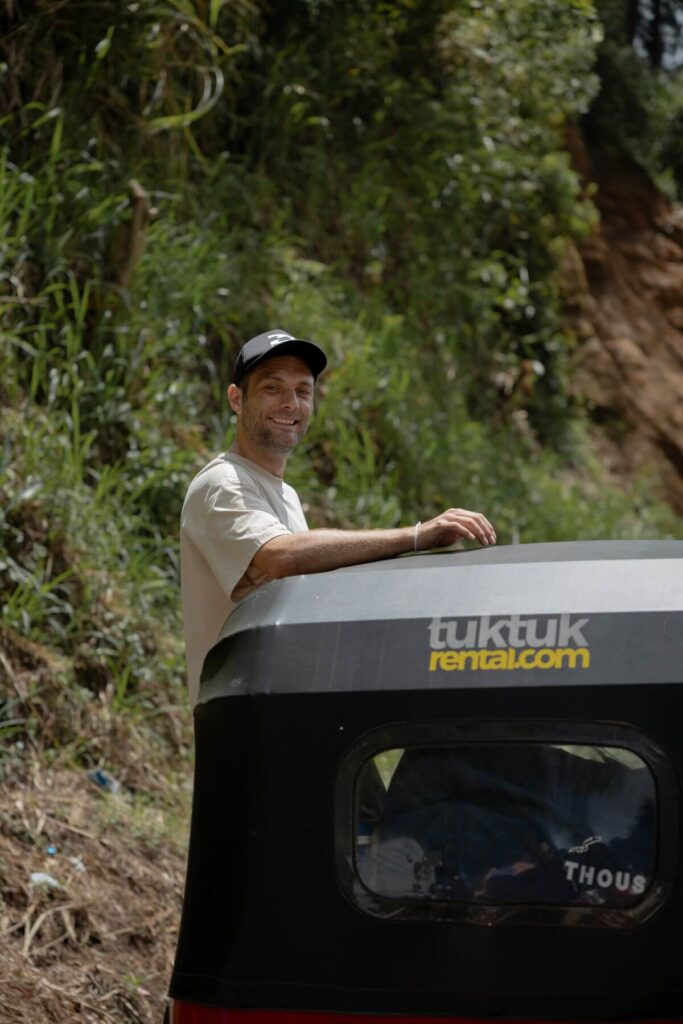
As mentioned above, we drove the B35 with our own tuktuk and it was magical. In fact, we did our entire journey through Sri Lanka by tuktuk! It is not only practical, but also an adventure in itself. You have the freedom to stop wherever you want, set your own pace and really experience every bit of the country. We hired our tuktuk via tuktukrental.com, an absolute must that will make your trip really extra special. And with the discount code ‘THOUSANDTRAVELMILES‘ you also get a nice discount!
Tip: Click through the link in this blog to the website of Tuktukrental, then the discount will be applied automatically. Convenient, right?
Is the B35 dangerous because of elephants?
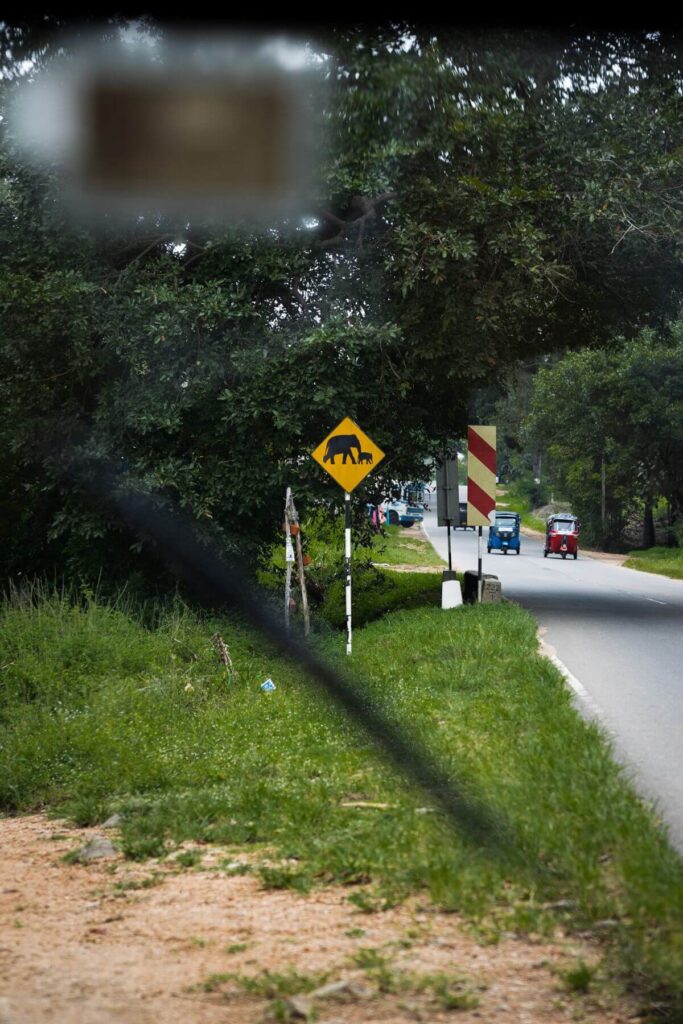
The B35 route is undoubtedly special, but not without risks. Along this road live wild elephants that have become accustomed to vehicles and sometimes even stay in the middle of the road. This is mainly because people have started feeding the animals, causing them to return again and again. A drive on the B35 is therefore not necessarily dangerous, but it does require extra attention! The route also runs partly through protected nature reserves, which means that extra rules apply.
According to the Sri Lankan Flora and Fauna Protection Ordinance it is officially forbidden to feed or stop wild animals within the boundaries of national parks. This also applies to the part of the B35 that passes through Yala National Park runs. Therefore, always stay in your vehicle, keep your distance and only leave the road once you have left the park area.
 Note: Always stay in your vehicle, keep the engine on and keep enough distance. They are wild animals, not an attraction, they can react unexpectedly. We also definitely do not recommend this route if you are travelling with young children!
What do you do when you encounter an elephant in your tuktuk?
Driving over the B35 requires a little more vigilance than an ordinary drive. The road goes right through the habitat of wild elephants, and that means you can sometimes suddenly come face to face with an animal blocking the road.
See an elephant on the road? Then stop well in time, keep the engine running and don't make any noise. Wild elephants are unpredictable and may cross suddenly or react to unexpected movements. Stay still, observe and wait for the animal to clear its own way. Only then drive on quietly, without suddenly speeding up. Local drivers told us that you should never make eye contact and certainly not honk. Keeping your distance is your best protection.
Note: An angry elephant can knock over a tuktuk. Use reason, not guts.
The golden tip: follow a larger vehicle
One of the smartest ways to drive the Elephant Road (B35) safely is to stay behind a larger vehicle. We got that tip from several locals, who know better than anyone how unpredictable these animals can be. Buses and trucks regularly cross the B35, which is used to elephants on the road.
Do you see an animal in the distance? Then wait for another vehicle to approach from behind and join it directly behind. Do you find it exciting? Make eye contact with the driver and give a friendly hand signal to ask if you can follow. That way, you use the larger vehicle as a buffer and reduce the risk of an elephant getting too close.


Why tuktuks attract the attention of elephants
Tuktuks are small, open and often colourful, exactly the combination that elephants find interesting. Some animals have learned that there is food in them because tourists gave them it in the past. This makes them dare to come closer, sometimes even with their trunks in the open side.
And that situation can become dangerous. After all, a curious elephant is strong enough to push a tuktuk over. Therefore, never leave food visible and keep your bags or cooler tightly closed.
Note: Never throw food at an elephant. That seems friendly, but reinforces exactly the behaviour that makes this area dangerous, for both humans and animals. In addition, it is in Sri Lanka illegal to feed or approach wild elephants in protected wildlife areas. The government is increasingly cracking down on this to protect the animal population and limit human impact.
Is it wise to feed elephants?
It may seem smart or even tempting to throw some food at an elephant so that it leaves the road and you can continue driving. But that very behaviour has caused this problem. As people have started feeding the animals, they have lost their natural shyness and now actually stick to the road.
By not feeding them, you help to slowly unlearn that behaviour. This keeps the B35 safer, not only for travellers, but also for locals in the villages around the park.
We understand that some may be thinking after reading this blog: I want to experience this too! And big right you are. Just make sure you go out prepared and remember that the experience comes first, not who has taken the best photo or video up close. Admire the elephants from a distance, take photos from your vehicle and let nature take its own course.
Note: Never throw food at an elephant. That seems friendly, but reinforces exactly the behaviour that makes this area dangerous, for both humans and animals.

Read also: Cashing in Sri Lanka: 6 handy tips + cost overview
Read also: Tuktuk hire in Sri Lanka: tips, costs and our experience!
How to reach the B35 in Sri Lanka?
The B35 runs through southeastern Sri Lanka, forming an alternative route between Buttala and Sella Kataragama. The road partly runs parallel to the faster A2 route, which most travellers take.
If you drive from Ella to the south coast, for instance, you can take a beautiful and adventurous diversions via the B35. You won't end up here automatically so you have to consciously choose to detour a bit. Whether you want to, depends on your sense of adventure. The drive is stunning, but does require some extra attention.
Our opinion: The B35 is one of those routes you never forget, provided you set off well prepared and use your common sense. In doubt or uncomfortable? Ask a local for help or turn around and choose a different route.
Tip: We recommend that you the app Maps.me download and save the offline maps in advance. That way, you can be sure to grab the right route, even if you don't have coverage along the way.

Frequently asked questions about the B35
During and after our trip, we received a lot of questions about the B35. We have therefore collected them below so that you are fully prepared for your trip!
1. Is the B35 safe to drive?
Yes, but only during the day and with extra caution. Unfortunately, there are also some tourists who have had unpleasant experiences so consider carefully whether it fits into your adventure. In any case, make sure you never drive this route in the dark!
2. Can I drive the B35 with a tuktuk?
Yes. A tuktuk is ideal, but keep away from elephants or other animals and don't drive in the dark!
3. Are there toll roads or entrance fees?
No, the road is free because it is a through road.
4. Do you always see elephants?
Not always, but the chances are highest in the morning.
5. What to do when an elephant blocks the road?
See an elephant on the road? Stay calm and don't move forward. Wait until the animal leaves on its own or slowly moves into the forest or continues walking. Do not make noise or turn off the engine while it is nearby. Avoid sudden movements or shots.
Tip: Stay at least 100 metres behind each animal and use zoom for your photos.

Summary: our tips for the B35!
This blog is based on our own experience driving the B35 route in Sri Lanka by tuktuk. If you decide to drive the B35, do it consciously. We can't repeat it often enough because we think it's important for you to have unique experiences but safety always comes first! Prepare well, respect nature and enjoy every moment.
- Only drive during the day and avoid dusk.
- Always stay in your vehicle and keep your distance from wildlife.
- Do not honk or make loud noises.
- Follow a larger vehicle if you can.
- Never throw food at elephants.
- Store food and fruit tightly closed and out of sight
- Use Maps.me or Google Maps offline for navigation.
The B35 in Sri Lanka is more than just a route. It is a ride full of excitement and wonder. You drive through an area where wild animals rule, and that makes every kilometre unique. For us, it was an experience we will never forget! Because this is no ordinary road, it is an adventure that will stay in your memory for a long time!
Plan your trip with our Sri lanka map!
Plan your ideal itinerary through Sri Lanka with our handy Google Maps map. Discover the best local eateries, iconic sights and hidden gems. With this map, you'll have all hotspots at your fingertips and won't miss a single highlight of this beautiful country.

We try to keep this blog as up-to-date as possible but this cannot be done without your help. If anything has changed, please let us know via info@thousandtravelmiles.nl.
Some of the links in this blog are affiliate links. If you choose to make a purchase through these links, we receive a small commission at no extra cost to you. By using these affiliate links, you support Thousandtravelmiles. This allows us to roam the world, fund the website and offer you free information for planning your trip. This means a ‘real’ person does a little dance of joy when you make a purchase through this link! You're a legend!