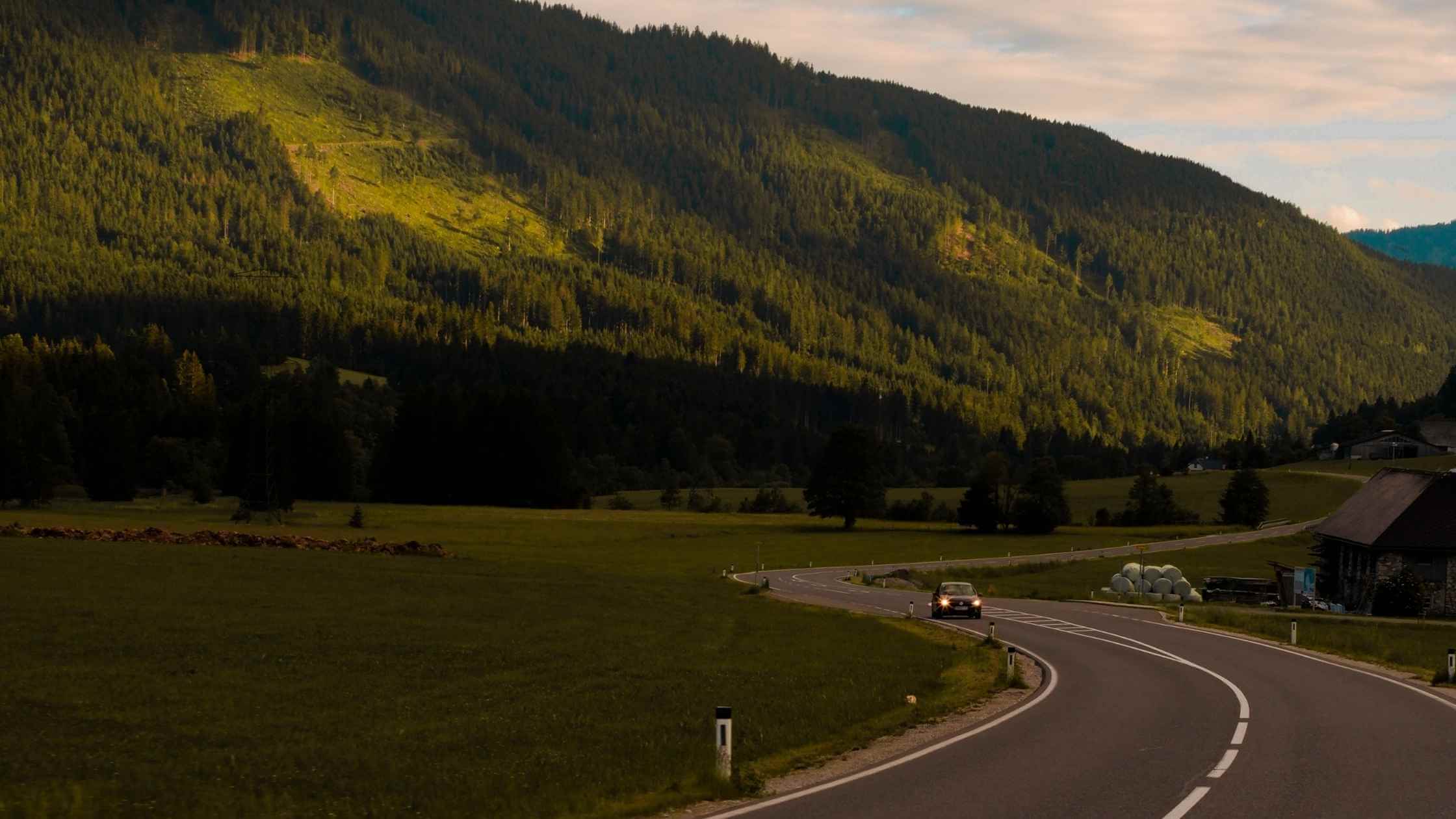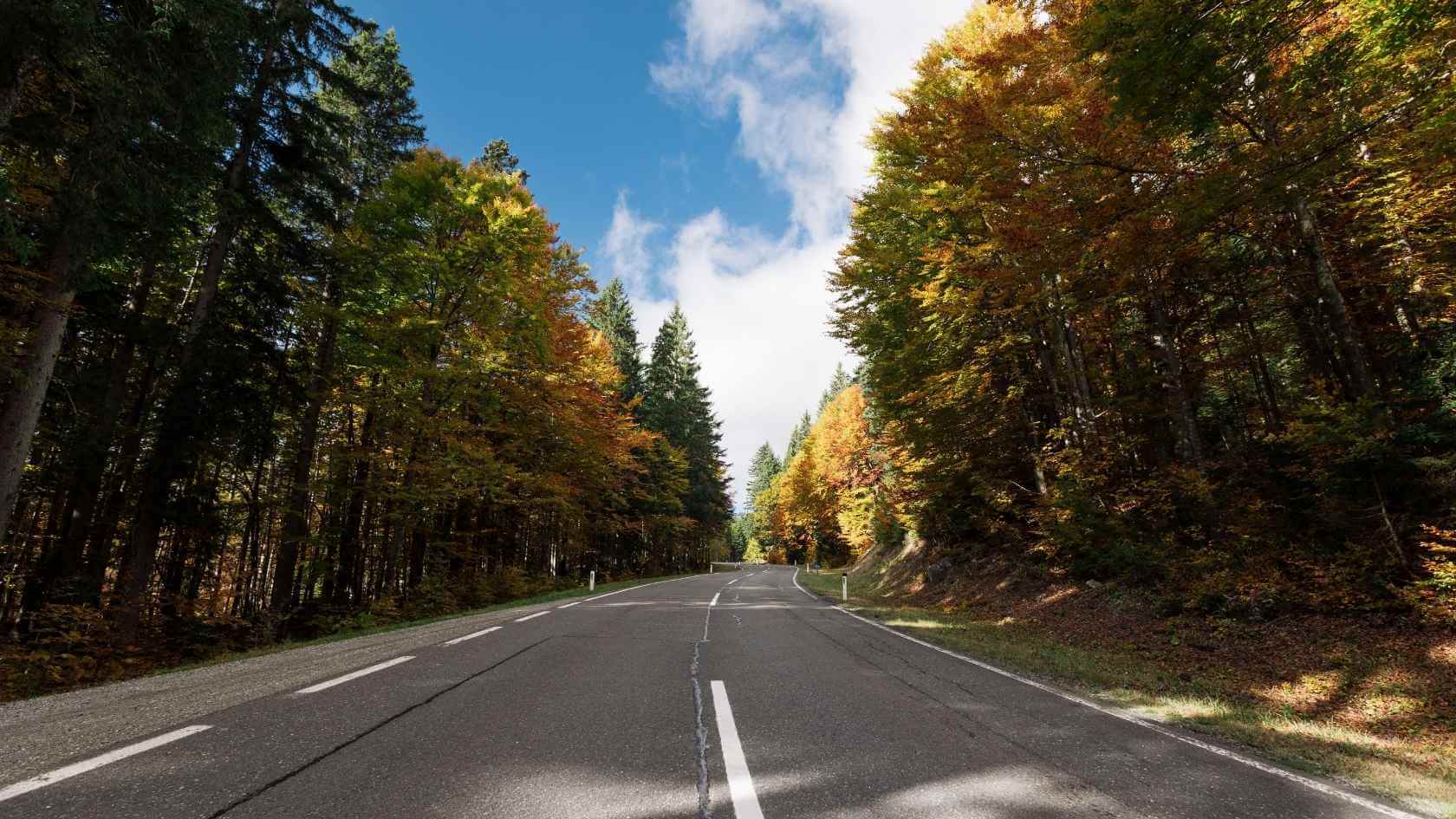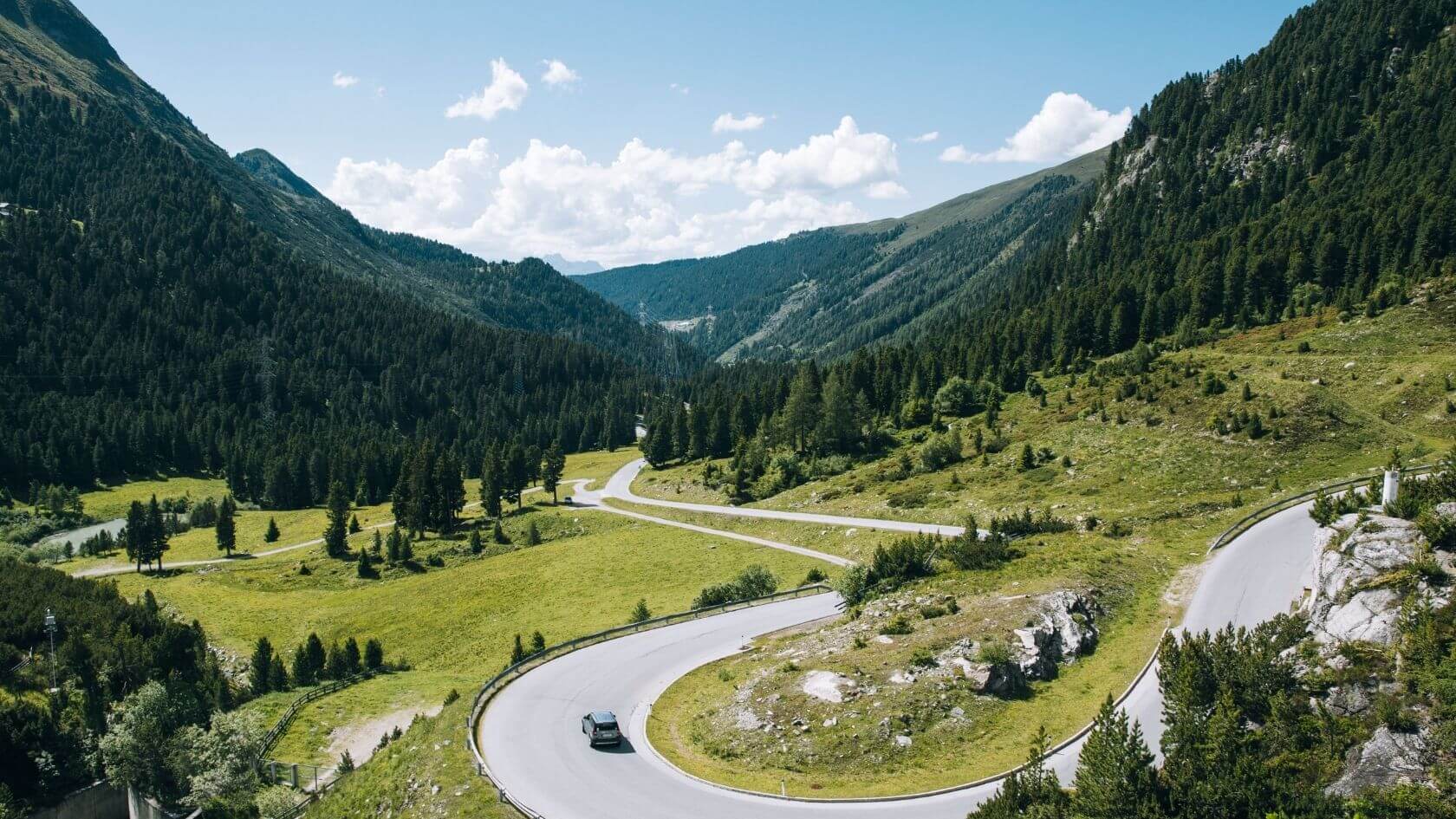

Travelling to Austria by car? As far as we’re concerned, it’s one of the best ways to explore the country. You just pack your things into the car, decide for yourself when to set off, and once you’re in Austria, you have complete freedom to explore the mountains, villages and towns at your own pace. However, there are a few things you need to sort out in advance for a driving holiday to Austria. These include the Austrian vignette, any road tolls, compulsory items in the car and regulations regarding winter tyres.
In this blog, we’ve therefore put together a clear overview of everything you need to know for a driving holiday in Austria. That way, you can set off well prepared and all you’ll have to think about on the way is which German Raststätte to stop at for your first coffee.
Would you like to find out more about Austria?
Are you planning a trip to Austria? If so, why not take a look at our tips for the best travel time, the daily budget, travel advice and which travel documents you need. Here you’ll find all our practical information and blog posts about Austria.
1. Travelling to Austria by car: what you need to know
Austria is easily accessible by car from the Netherlands, which is precisely why we consider it an ideal destination for a driving holiday or as part of a road trip. You aren’t tied to flight timetables, you don’t have to worry about luggage limits, and you have your own transport right from the start of your holiday. This is particularly handy if you’re staying in a mountainous area or want to visit several places.
Before you set off, there are a few things you need to check. For most travellers, these are the most important points:
- Please bring a valid passport or identity card and your driving licence.
- Make sure you have your vehicle registration certificate and insurance details to hand.
- Check that you have a vignette for Austria you need.
- Check whether your route takes you along a road with separate route toll is running.
- Check that the compulsory safety equipment is in the car.
- Are you travelling in winter? If so, check the rules on winter tyres and snow chains.
It might all sound logical, but we still often hear of people getting this wrong. We like to tick everything off the list a few days before setting off. It makes for a slightly more pleasant journey than suddenly realising at the Austrian border: “Hang on a minute… did we actually need a vignette?”
How long is the drive to Austria?
How long the journey takes naturally depends on where you’re setting off from in the Netherlands and where you need to be in Austria. A destination in Tyrol or Vorarlberg, for example, is a fair bit closer than if you were to drive all the way to the east or south of the country. You should also take into account breaks, traffic jams, roadworks and heavy traffic around major cities in Germany. Journey times can increase significantly, particularly during popular holiday periods and at the start and end of school terms. You should therefore check your route and traffic information again just before setting off, rather than relying entirely on the journey time provided by Google Maps three weeks earlier.
Which route do you take from the Netherlands to Austria?
For most car holidays to Austria you’re driving from Netherlands via Germany. Which route is best depends mainly on your destination. Are you heading for Tyrol, Vorarlberg, Salzburg or, conversely, the east of Austria? In that case, your sat-nav might direct you via a completely different German motorway. There is therefore no single ‘best’ route to Austria. We would always check the current traffic situation shortly before setting off and, if necessary, compare different routes. Sometimes a route that is slightly longer on paper ends up being quicker if the shortest route is affected by heavy traffic or roadworks.
Check the route just before setting off
The route information from the ANWB It’s a good idea to check traffic conditions, roadworks and practical information before setting off. Whilst on the road, we also prefer to use an up-to-date sat-nav app, so that you can choose an alternative route straight away if necessary.
 Tip: Are you setting off during a busy holiday weekend? If so, don’t just look at the estimated journey time, but also check traffic conditions in Germany and Austria. Setting off a few hours earlier or later can sometimes save you a lot of frustration.
2. Vignette and tolls during your driving holiday in Austria
One of the most important things to sort out before your driving holiday is the toll. Austria actually uses two systems that are often confused: the vignette and route toll.
Do you need a vignette for Austria?
For vehicles weighing up to and including 3,500 kg, you need a valid vignette on virtually all Austrian motorways and expressways. For a passenger car, you can choose between a digital or physical vignette, amongst other options, and various periods of validity. We would definitely not leave this until you’re already on the road. This is because there are a few exceptions, and with some digital vignettes purchased online, you need to take the start date into account.
Tip: Want to know everything about prices, validity, the digital vignette and where you can buy it securely? Then read our comprehensive blog post on the vignette for Austria.
Do you have to pay a toll as well as buying the vignette?
Yes, that’s possible. On six specific sections of the Austrian motorway network, you pay a separate route toll. These are mainly sections of motorway featuring costly tunnels and other infrastructure. They include sections of the A9, A10, A11, A13 and S16. The easiest way to check what you need for your journey is to consult the official ASFINAG toll planner. Enter your starting point and destination to see which toll products apply to your route.
Tip: would you like to know which toll roads there are, how much they cost and how to pay for route-based tolls? Then take a look at our comprehensive blog post on toll roads in Austria.
3. Driving in Austria: traffic rules and practical tips
Austrian road rules are similar in many respects to those we are familiar with in the Netherlands. However, there are a number of things you need to pay extra attention to whilst on a driving holiday. As road rules are subject to change, we recommend checking the latest information with the Austrian government.
Important traffic rules in Austria
An important rule to be aware of is the Emergency lane. As soon as a traffic jam forms on an Austrian motorway or dual carriageway, motorists must make way for the emergency services. On a two-lane road, this passage is formed between the two lanes. Are there more lanes? Then the passage is formed between the left-hand lane and the lane immediately next to it. So don’t wait until you see the blue flashing lights in your rear-view mirror. The Rettungsgasse must be formed as soon as traffic starts to come to a standstill.
Winter tyres and snow chains
Are you travelling between 1 November and 15 April? In Austria, winter tyres are compulsory for passenger cars and light vehicles weighing up to 3,500 kg in winter conditions. This includes snow, slush or ice on the road. You can find the current regulations on the website of the Austrian government.
If you’re heading into the mountains at this time of year, we’d advise you to set off well prepared in any case. It can be beautifully sunny down in the valley, whilst just a little further on you might suddenly find yourself with your tyres in the snow. Mountains are mountains; they pay little heed to your carefully planned holiday itinerary.
Driving in the mountains
Driving in Austria soon means mountains. It’s beautiful, but it does sometimes require a different driving style to a journey on the Dutch motorway. Keep a safe distance, adjust your speed to bends and weather conditions, and try not to keep your foot on the brakes constantly during long descents. Where possible, shift down a gear so that the car slows down using the engine, putting less strain on the brakes. Also, keep a particularly close eye out for cyclists, motorcyclists and walkers along mountain roads. And perhaps most importantly: don’t let yourself be rushed by an Austrian who clearly knows every hairpin bend like the back of their hand.
Refuelling and electric charging in Austria
Along the main routes through Germany and Austria, you’ll find plenty of petrol stations and charging points. If you’re driving an electric car, we’d recommend planning your charging stops roughly in advance, but not scheduling every stop down to the minute. One traffic jam, a busy charging point or an unexpected detour, and your carefully planned itinerary could end up in the bin.
In Austria, the same common types of fuel are available as in the Netherlands. Petrol is referred to, amongst other things, as Super and Super E10. Of course, always check which fuel is suitable for your car before you plug in the hose.
It may seem obvious, but for those driving a long distance for the first time: petrol stations right next to the motorway aren’t the cheapest option. If you’ve got time, a petrol station a little further off the motorway might be cheaper. We wouldn’t go out of our way for it, though; driving twenty kilometres to save a few euros is still a rather peculiar form of holiday maths. Via the ANWB route information for Austria You’ll also find practical information on refuelling, charging, overnight accommodation along the route and breakdown assistance.
4. What should you pack for a driving holiday to Austria?
As well as your travel documents, there are a number of safety items you must carry in your car in Austria. For a passenger car, these include a warning triangle, a high-visibility safety vest and a suitable first-aid kit. The safety vest must be kept in the car and, in the event of a breakdown or accident, you must put it on before leaving the car.
We would check straight away before setting off to make sure everything is still there and in working order. A first-aid kit (EHBO-set) that’s been sitting unopened at the back of the boot for years might be worth a quick check before you’re hundreds of kilometres from home.
Our checklist for a driving holiday to Austria
Our checklist for a driving holiday to Austria:
→ High-visibility jacket
→ Hazard triangle
→ First-aid kit / EHBO-set
→ Driving licence
→ Vehicle registration certificate
→ Insurance details
→ Phone holder and car charger
→ Water and something to eat for the journey
→ Sunglasses
→ If necessary snow chains at winter destinations
Don’t have everything you need yet? You can easily buy lots of things before you set off via Bol.com Whether the ANWB Online Shop. Personally, we’d recommend checking what you already have, especially before setting off. After all, a fourth warning triangle is a bit of an overkill.
5. Our tips for a driving holiday to Austria
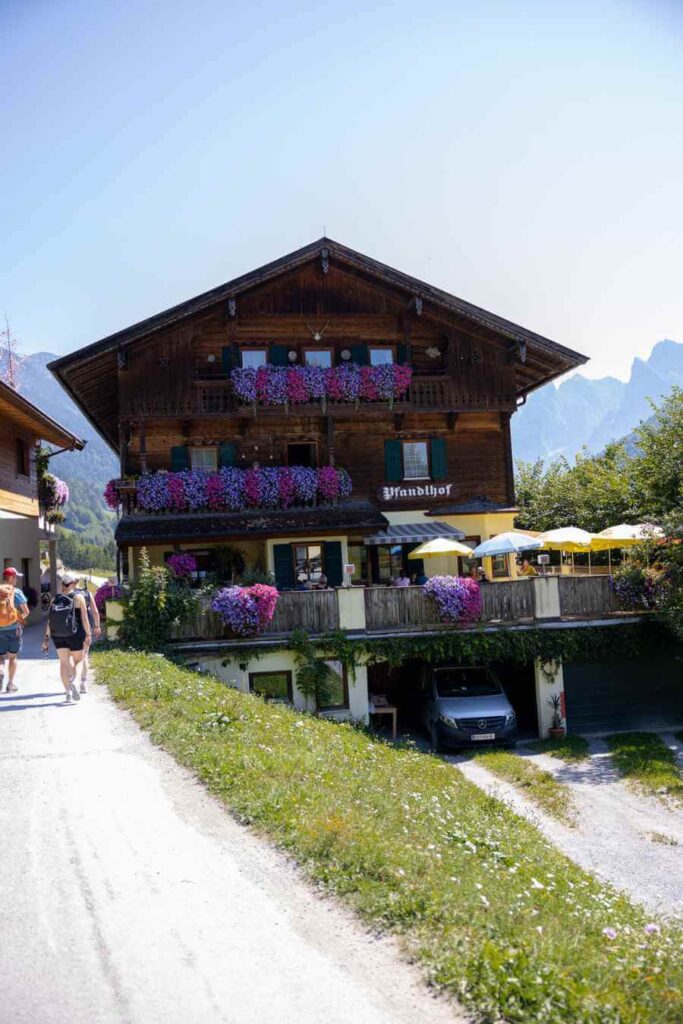
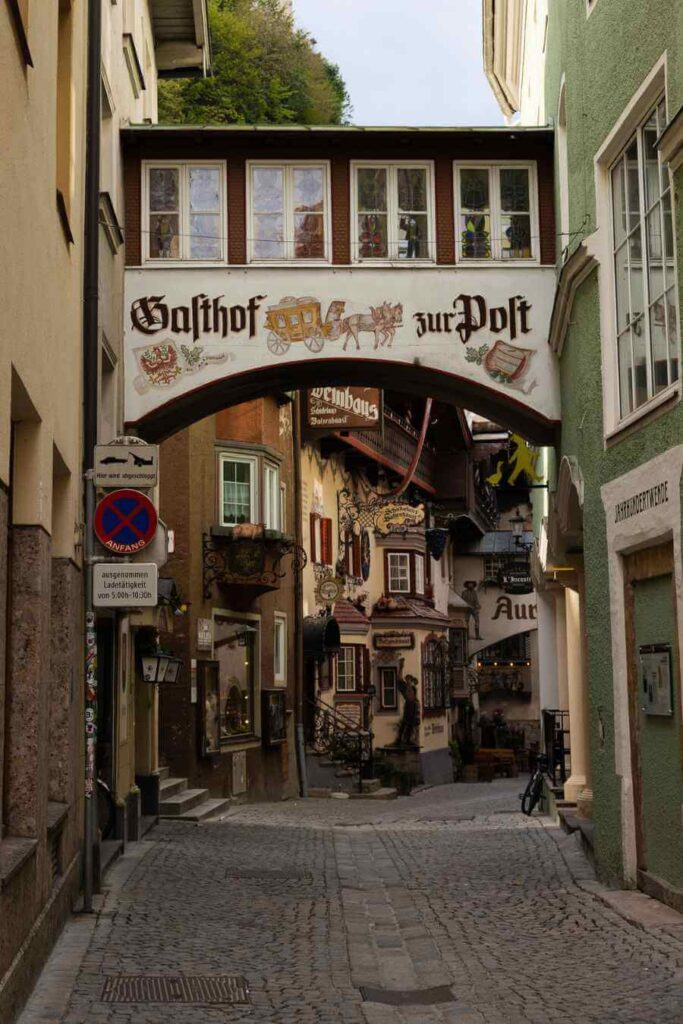
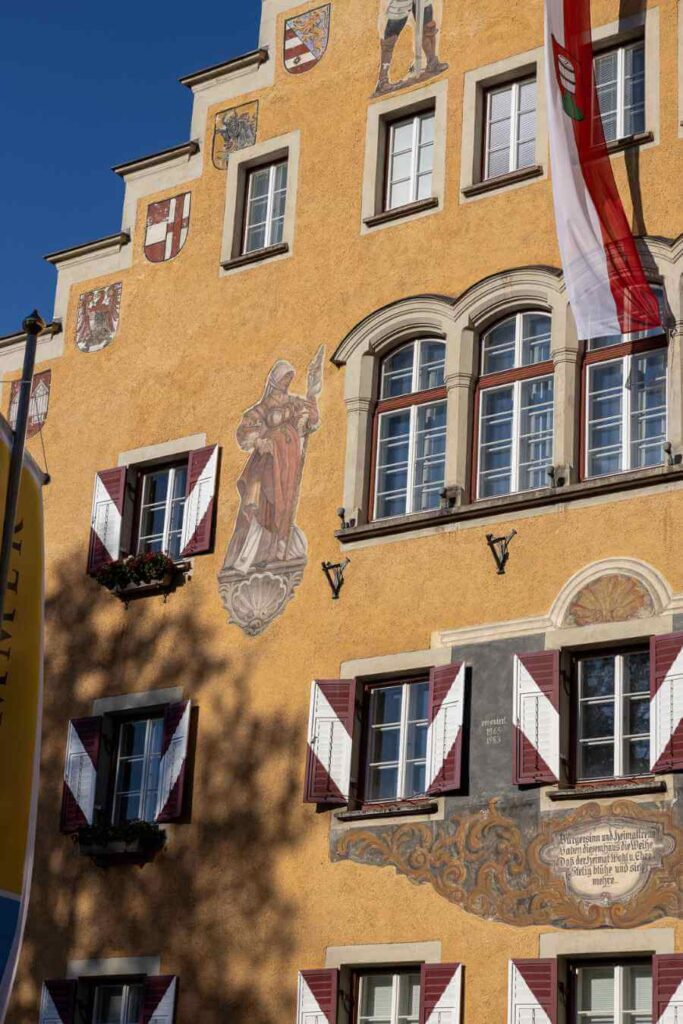
We visited Austria ourselves by car and stayed in, amongst other places, Kufstein. What we always love is the freedom that comes with having your own transport. You can stop wherever you like along the way, you don’t have to worry about how many pairs of shoes will just about fit in your suitcase, and you can easily visit places in the surrounding area from your accommodation.
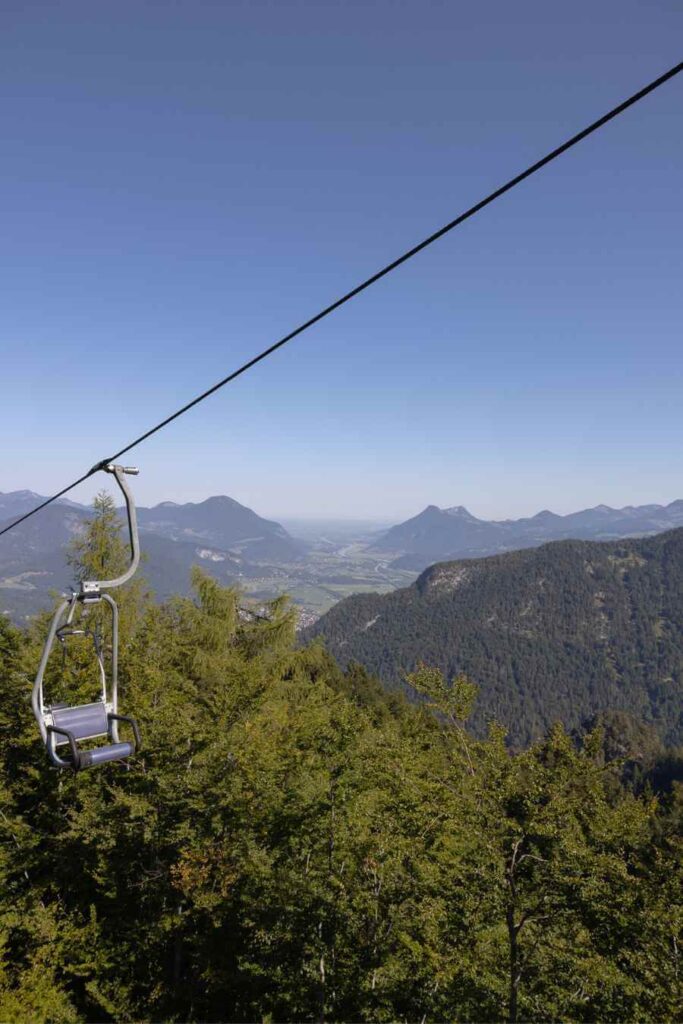
However, a driving holiday doesn’t mean you need to use the car every day. In many regions of Austria, you can make use of local public transport, visitor passes and mountain lifts. This means you can sometimes simply leave the car behind for a few days after you arrive.
Tip: we visited Kufstein in the summer and were quite surprised by both the town and the surrounding area. Are you heading to Tyrol? Then be sure to have a look at our blog What to do in Kufstein? The best sights and tips.
Useful websites for when you’re on the go:
- ASFINAG: for Austrian motorways, vignettes, tolls and traffic information.
- Austrian government: for official traffic regulations and compulsory safety equipment.
- ANWB Austria: for practical information in Dutch on routes, traffic rules, refuelling, charging and breakdown assistance.
We try to keep our information as up to date as possible, but traffic regulations, toll charges and roadworks are subject to change. We would therefore always advise you to check the official and up-to-date information just before setting off.
Finally, before setting off, we’d advise against making things any more complicated than necessary. Check your route, sort out your motorway vignette and any tolls, make sure you’ve got all the essential items in the car, and check the traffic and weather one last time just before you set off. Then: pop the suitcases in the boot, put on your playlist, and off you go.
6. Frequently asked questions about a driving holiday to Austria
1. What documents do you need for a driving holiday to Austria?
Be sure to bring a valid passport or identity card, your driving licence and the vehicle documents. Also, make sure you have your insurance details to hand. Always check the current requirements for your personal situation before you set off, especially if you are travelling in a hire car, a lease car or any vehicle other than your own.
2. Do you need an environmental sticker for a driving holiday to Austria?
In Austria, there are no general low-emission zones for standard passenger cars for which you need an Austrian emissions sticker. If you’re travelling from the Netherlands via Germany, a German environmental sticker isn’t required on the motorway itself. However, if you plan to enter a German environmental zone or certain cities along the way, an Umweltplakette may be compulsory. You should therefore check your entire route in advance.
3. Which sat-nav apps are useful for a driving holiday to Austria?
Google Maps and Waze are useful for up-to-date traffic information and alternative routes. You can also use the ANWB’s route planner or traffic information to prepare for your journey, and consult ASFINAG for up-to-date information on Austrian motorways and tolls. It’s best to use a sat-nav app with real-time traffic updates, so you can easily adjust your route in the event of traffic jams or roadworks.
4. What are some useful tips for a driving holiday to Austria with children?
Plan regular breaks, keep food and drink within easy reach, and don’t make the journey unnecessarily rushed. If you’re travelling a long distance, it might be a good idea to stay overnight somewhere along the way. Also, be aware of the Austrian regulations on the safe transport of children and check before you set off that the child seat is suitable for your child’s age and height.
5. Can you stay overnight on the way to Austria?
Yes. Especially if you’re heading to a distant destination in Austria or travelling with young children, it can be a good idea to stay overnight in Germany. That way, you can split the journey over two days and don’t have to drive the whole way in one go at all costs. It’s best to choose accommodation close to your route, so you don’t have to make a long detour first thing the next morning.
6. When is the best time to set off on a driving holiday to Austria?
There is no single departure time that is always best. During holiday periods and on popular changeover days, major routes through Germany and Austria can become very busy. You should therefore check the latest traffic forecasts and roadworks shortly before setting off, and consider travelling outside peak hours.
7. What should you do if you break down on the way to Austria?
If you break down, switch on your hazard warning lights and, if possible, move the car to a safe place. Before leaving the car, put on a high-visibility vest and, where necessary, set up the warning triangle. Before setting off, make sure you know which breakdown or insurance service you are registered with and save any important telephone numbers in your mobile.
A driving holiday to Austria requires a little more preparation than simply setting your sat-nav for Austria and setting off, but it certainly doesn’t have to be complicated. Make sure your documents are in order, check your route, sort out your vignette and any road tolls, and check that the compulsory safety equipment is in the car. Are you travelling in winter? If so, pay extra attention to winter tyres, snow chains and the weather conditions. Do you still have any questions about a driving holiday to Austria after reading this blog? Feel free to send us a message at Instagram, we are happy to think with you.
We try to keep this blog about a driving holiday to Austria as up to date as possible, but we can’t do this without your help. Has anything changed, or is any of the information no longer correct? Please let us know via info@thousandtravelmiles.nl.
Some of the links in this blog post about a driving holiday to Austria are affiliate links. If you choose to make a purchase via these links, we’ll receive a small commission at no extra cost to you. By using these affiliate links, you’re supporting Thousandtravelmiles. This enables us to fund the website, keep travelling and offer you free information to help you plan your next adventure. It means that a ‘real’ person does a little happy dance whenever you make a purchase via this link! You’re a legend!