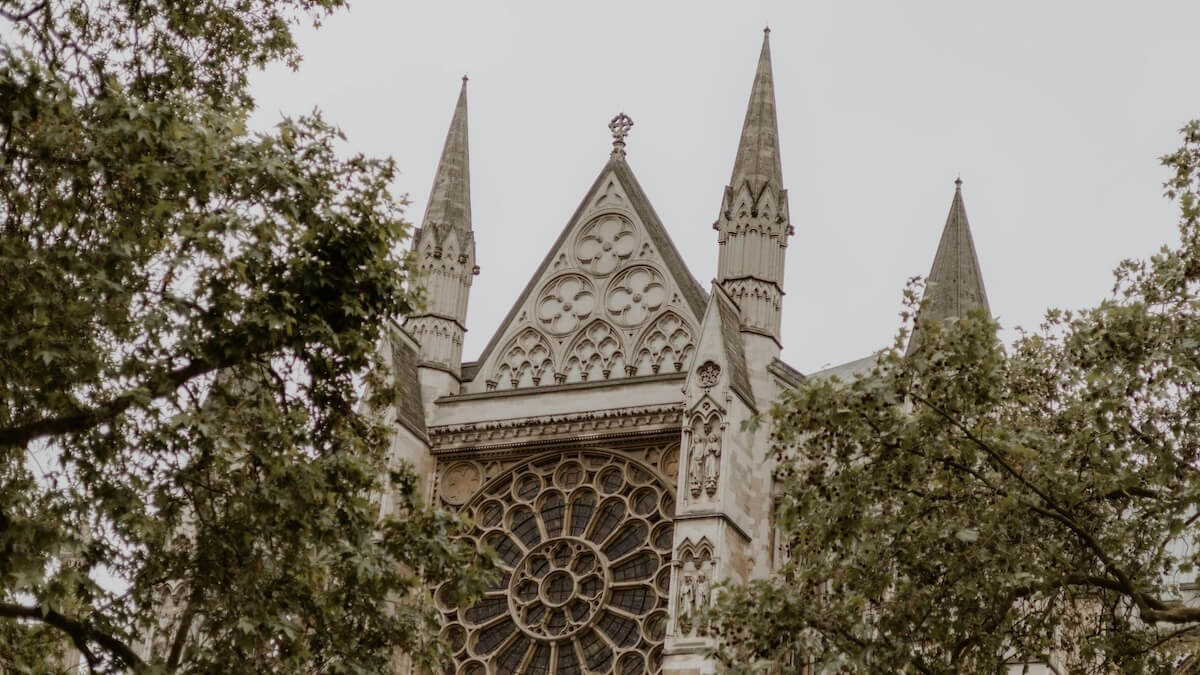
When you think of England, two images probably spring to mind: bustling cities such as London and Oxford, or just the idyllic countryside with vast green hills and cosy cottages as seen in a British romcom. Chances are those idyllic images you see before you are from The Cotswolds. Indeed, this region in south-west England is incredibly photogenic and quintessentially British. A visit to The Cotswolds is a super alternative or a perfect addition to a city break to England. Curious about what there is to do? Read our tips for The Cotswolds and be prepared for your trip!
General information about the United Kingdom
Are you planning a round trip to the UK? Then check out our tips for the best travel period and daily budget. You can find all information about United Kingdom here.
How do you travel to the Cotswolds?
The Cotswolds is best visited by car, as this is the best way to enjoy the different landscapes and go from village to village at your own pace. However, there are several roads leading to The Cotswolds. Below we briefly explain your options!
By car to The Cotwolds (our favourite)
We mentioned it briefly above, but surely the best way to explore The Cotswold is by car. Besides, this option is ideal if you want to take a longer trip and combine your visit with cities like London or Oxford.
Do you opt for the car? Then you have 2 options:
- Travel by boat: If you are travelling by car, you can make the crossing by boat from Calais or Dunkirk in about 2 hours. Although more boats make the crossing from Calais, we recommend you make the crossing from Dunkirk. This is because it is often quieter and cheaper here!
- Travelling by train (LeShuttle): Yes, this may sound crazy, but the train is also an option if you want to go by car. If you take LeShuttle through the Channel Tunnel, you will stay in the car for the 35-minute journey from Calais to Folkestone. Once your car is loaded onto the deck of the shuttle and your crossing begins, however, you can leave the car to stretch your legs or use the toilets on board.
Then, from Dover or Folkestone, it is about a 3.5-hour drive to The Cotswolds. Which options is best for you depends mainly on your budget. There are several crossings daily and last-minute options are also often available. Ferries are available from as little as €100 each way.
By train to The Cotswolds
Slightly less efficient as the first option, but you can also go by train! If you go by train, catch the Eurostar to London and then transfer (after a short underground ride) to the train (from Paddington station) to Oxford, which is located opposite The Cotswolds.
 Tip: Train tickets can be quite pricey, so try to book as early as possible and go outside the holidays. Check out the options on the website of NSinternational.
From Oxford, you then grab a local bus or a hire car to The Cotswold and have the option to go in all directions. Although this option is slightly less efficient, it is ideal if you don't have a car of your own or would rather not make the crossing in your own car.
Tip: We ourselves almost always rent a car from Sunnycars.co.uk, because it is by far the most reliable option. With their clear terms and conditions and all-inclusive service, you are always well insured, with no hidden costs.


What to do in The Cotswolds? Discover our 5-day road trip!
To give you an idea of the different options, here we share our 5-day itinerary through The Cotswolds along the region's most striking highlights. So you can choose which places you think are worth visiting. From quaint shops and cosy pubs to beautiful buildings and other impressive sights. Here are our favourites!
Day 1: Burford, Bourton-on-the-Water & Upper and Lower Slaughter
Burford
Burford, also known as the gateway to The Cotswolds when coming from Oxford. Set among the beautiful hills, this charming village is actually one big shopping street full of boutiques, antique shops and tearooms. A lovely place to start your day!
Nearby you will find Blenheim Palace, an impressive 17th-century mansion where President Winston Churchill was born. Keep in mind that a visit to this palace is not cheap (€60), but it is a unique experience. Prefer to visit a sight that is free? Then consider a stopover in Chipping Norton, where the special Bliss Tweed Mill, hidden among the hills, makes for a photogenic picture.
Tip: Unlike the palaces and mansions, the national museums throughout England are free to visit!
Bourton-on-the-Water
This village, also called the ‘Venice of The Cotswolds’ (okay, we think that might be a bit of an exaggeration), is well worth a visit. Stroll along the river that flows through the village and enjoy the charming atmosphere. Perfect for a relaxing afternoon!
Upper and Lower Slaughter
Despite the not-so-romantic name, these adjacent villages certainly are. Take a nice walk past the old water mill and through the picturesque meadows to get from one village to the other. It really feels like taking a step back in time here.

Day 2: Stow-on-the-Wold, Chipping Campden & Broadway
Stow-on-the-Wold
This lively village has something for everyone: antique shops, art galleries and cosy pubs. Don't miss the fairytale St Edward's Church not, where a tree and the entrance gate are completely intertwined.
Chipping Campden
This is also considered the northern gateway to The Cotswolds and is one of its most popular villages. The typical honey-coloured stone houses, as you find them all over the region, are perhaps especially beautiful here. In addition, this is also where the Cotswolds Way, a beautiful long-distance walk of 164 kilometres. Even if you don't walk the whole route, it's well worth taking a piece.
Broadway
Another popular village is Broadway, which is similar to Chipping Campden but a bit smaller. You'll find cosy lunchrooms and unique craft shops where your greed is sure to be whetted. Extra fun is the Car Show in August. During this show, the streets are filled with classic cars.
Consider a walk from Chipping Campden to Broadway along the Cotswolds Way and/or enjoy the views at the Broadway Tower.


Day 3: Painswick, Bibury & Cirencester
Painswick
Painswick has a mysterious charm with its stone houses and the famous St. Mary's Church. In the garden you will find 99 perfectly pruned yews, a picture to behold! A walk to Painswick Beacon treats you to panoramic views of the surrounding area.
Bibury
If you come across a picture of The Cotswolds, chances are it's from Bibury. Arlington Row, a row of 14th-century weaver's cottages, is the attraction here. Want to treat yourself? Then stay overnight at the romantic Swan Hotel, an experience you won't soon forget.
Cirencester
Also called the capital of The Cotswolds, Cirencester is really something different from the aforementioned villages and therefore nice for a change, although it still has that typical charm you expect in this region. The town has a rich Roman history that you can discover in the small Corinium Museum. In addition, the market square and the St. John Baptist highlights of the city and you will find plenty of shops and cosy cafés.

Day 4: Tetbury & Castle Combe
Tetbury
As you follow the road south, you pass the tiny village of Tetbury. Although the streets with stone houses are certainly pretty, this village stands out because of Highgrove Gardens, the private residence of King Charles. You can't visit the house itself, but the gardens are open from April to October with a (pre-booked) guided tour to admire and as Charles is incredibly fond of nature and gardening, this is definitely worth a visit. Just keep in mind that this costs around €50.
Castle Combe
Often cited as one of the prettiest in the entire region, this fairytale village is a favourite film location with its stone cottages, babbling river and historic market square. Like Bibury, you'd expect to see this village on the cover of a Cotswolds travel guide. It's as if time has stood still here.
Day 5: Bath
Although Bath is officially just outside the Cotswolds, this city is not to be missed. In fact, Bath is one of England's most impressive cities. It is a UNESCO World Heritage city for its unique combination of Roman, medieval and Georgian (not the country, but the reign of the four kings George between 1714 and 1830) architecture and culture. You can see this style in iconic buildings such as the Royal Crescent and The Circus, as well as in the many terraces and mansions. The best-preserved remains of the Roman era are the Roman baths. You can easily spend a whole day here.


Read also: What to do in Oxford, England? 7x handy and fun tips!
Read also: Fancy a weekend in Prague? Check out our tips for a wonderful city break.
Where to stay in The Cotswolds?
The Cotswolds is a vast expanse. Its length from Chipping Campden in the north to Bath in the south is some 80 kilometres. In between are numerous different villages and beautiful landscapes. To make the most of it, our advice is to hop between accommodations. This is also the ideal way to enjoy the various cosy B&Bs, large and stately country houses or cool boutique hotels.
If you only have 2-3 days, we recommend that you look for accommodation mainly in the northern part, in the area between Cirencester and Chipping Campden. This is where you will find most of the region's highlights. If you don't want to accommodation-hopping then Stow-on-the-Wold an ideal base. This place is nice and central and there are plenty of different restaurants!
If you want to explore the region at a leisurely pace, 4-5 days are ideal. This will also allow you to visit villages in the south, hike in nature and explore the Roman city of Bath. Then consider staying in or around Painswick and Castle Combe add.
Close to The Cotswolds you will find Oxford and London. It is therefore great fun to set aside a week for a combination trip with one, or both, of these cities. Then add the place Witney toe for accommodation as it is strategically located between the Cotswolds and Oxford and has good affordable options.
Especially in spring and (early) summer, The Cotswolds are most beautiful because of the flowering gardens. Autumn also has its charm with the autumn colours and cosy pubs to warm up in.

Our favourite accommodations
You have a huge variety of accommodation in The Cotswolds, from cottages to cosy B&Bs and luxury hotels. Some eye-catching for us (mid- to high-class) hotels and B&Bs in or near the places mentioned are:
- Burford: The Fox, The Swan Inn Swinbrook, Priory Teamrooms and The Angel
- Bourton-on-the-Water: Sunny Nest, Webbys Windrush Walk and Chester House Hotel
- Stow on the Wold: Mill Cottage, Lucy's Tearoom and Stow Lodge Hotel
- Chipping Camden and Broadway: Eight Bells Inn, The Ebrington Arms and The Seagrave Arms
- Cirencester: Ingleside House and The Fleece
- Tetbury: The Royal Oak, The Priory Inn and The Hare & Hounds Hotel
- Castle Combe: The Methuen Arms, The Quarrymans Arms, The White Hart Ford and Neeld Arms
- Bath: Leighton House, Apple Tree boutique B&B, Bathen House Boutique Hotel, The Bath House Boutique B&B, No 15 by GuestHouse and The Yard
Tip: Hotels and B&Bs are generally very pricey in the Cotswolds due to it being such a popular holiday destination, so also look around for accommodation around the lesser-known spots and alternatives such as cottages or a room in people's homes

We hope these tips help you plan your trip to The Cotswolds, England. Do you still have questions about this blog? Then please Countingborders or send us a message at any time via Instagram.
We try to keep this blog as up-to-date as possible but this cannot be done without your help. If anything has changed, please let us know via info@thousandtravelmiles.nl.
Some of the links in this blog are affiliate links. If you choose to make a purchase through these links, we receive a small commission at no extra cost to you. By using these affiliate links, you support Thousandtravelmiles. This allows us to roam the world, fund the website and offer you free information for planning your trip. This means that a ‘real’ person will do a little joy dance if you make a purchase through this link! You're a legend!