

London is a city that never ceases to surprise. From historic sights and famous landmarks to creative neighbourhoods full of cosy cafés and markets: there’s something new to discover round every corner. Yet we’ve noticed that many travellers make the same mistake when planning their city break to London. They underestimate just how much preparation is actually needed to really experience the city to the full. As a result, a lot of time is often wasted unnecessarily, and some great experiences are missed out on.
Why spontaneous planning often doesn’t work as well
At first glance, London seems like the ideal city for organising everything on the spur of the moment. Public transport works well, there’s an enormous amount to do, and new places are popping up everywhere. Yet we’ve found that planning your trip to London entirely on the spur of the moment often works against you.
Many popular attractions, museums and tours tend to get fully booked very quickly, especially during holidays and at weekends. What’s more, queues can get quite long. Without proper preparation, you’ll soon find yourself spending more time organising things and waiting than actually enjoying the city.

Read also: The ultimate itinerary for a tour of England
Read also: What to do in The Cotswolds, England? A 5-day road trip
Choosing the right activities makes your trip so much more enjoyable
As far as we’re concerned, a city break isn’t just about the places you visit, but above all about how you experience the city. It’s precisely the right mix of activities, neighbourhoods and moments of relaxation that makes a trip truly successful.
That’s why more and more travellers are choosing to book certain activities in advance. This helps you avoid disappointment and leaves you with more time during your trip to simply enjoy London. Via Hellotickets For example, you can easily book tickets and tours in London in advance.
Understanding London as a city
What makes London special is that every neighbourhood feels completely different. The city is actually made up of different worlds, each with its own atmosphere and pace. Westminster is mainly about famous monuments and history, whilst Shoreditch is known for its street art, coffee bars and creative atmosphere.
By getting a basic understanding of how the city is laid out beforehand, you can organise your itinerary more effectively. Not only does this save a lot of travel time, but it also ensures you have a much more relaxed city break. Even small choices can often make a big difference here. Think, for example, of combining attractions that are close to one another or planning a quiet morning after a busy day.
The time of day you visit a neighbourhood also makes a difference. Some neighbourhoods are particularly atmospheric in the early morning, whilst other places only really come to life in the evening. If you bear this in mind, your trip will automatically feel much more relaxed and natural. In our blog about a city break to London We’ll tell you more about the best activities and when’s the best time to go.

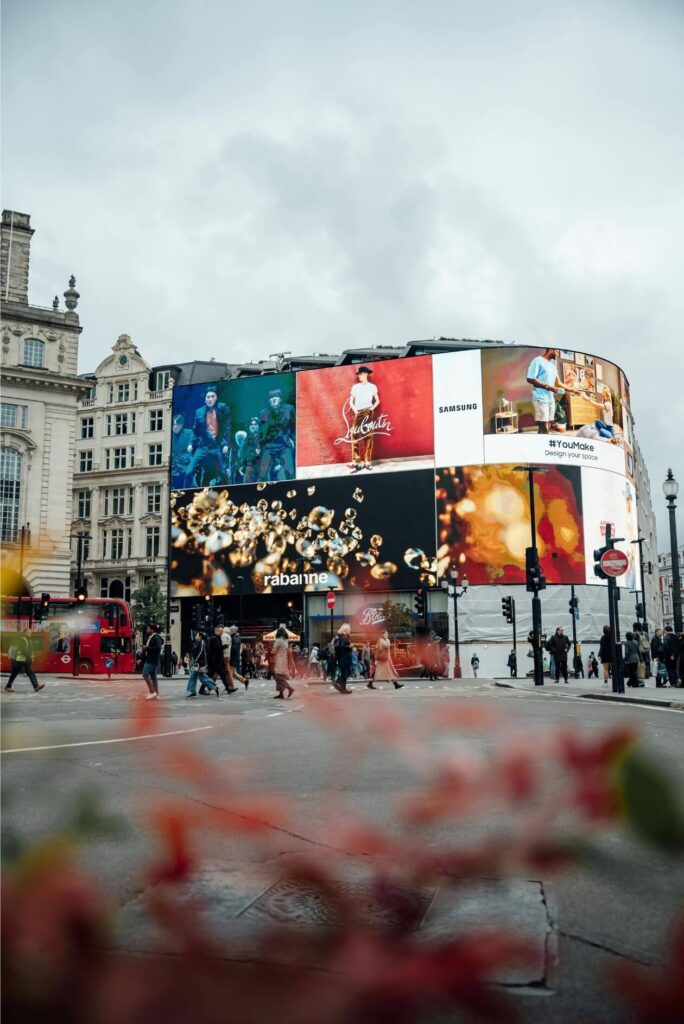
How to plan a great city break to London
You might be thinking: it’s all very well telling us what not to do, but how do you actually plan a good city break to London? Fortunately, it doesn’t have to be complicated at all. Fortunately, good preparation doesn’t mean your entire trip has to be planned down to the minute. In a city like London, a rough plan often works best. By making a few smart choices in advance, you’ll have much more peace of mind and time during your city break to really enjoy the city.
1. Decide in advance which neighbourhoods you want to visit
London is huge, and every neighbourhood has a completely different atmosphere. That’s why it’s a great help to pick out a few neighbourhoods in advance that you’d like to explore. That way, you’ll avoid wasting unnecessary time travelling on the Underground during your trip.
For example, combine attractions that are close to one another. Westminster and Buckingham Palace work well together on a single day, whilst Shoreditch pairs well with Brick Lane and Spitalfields Market.
2. Book popular activities in advance
Many popular attractions in London get fully booked very quickly, especially at weekends and during the holidays. Think of the London Eye, the Warner Bros Studio Tour or famous West End musicals. By booking your tickets in advance, you can avoid long queues and be sure not to miss out on your favourite activities.
3. Don’t plan too much for a single day
One of the biggest mistakes you can make on a city break to London is over-planning your itinerary. The city looks compact on the map, but distances are often longer than you’d expect, and there’s actually plenty of fun things to discover along the way. So make sure you leave some space in your itinerary for spontaneous stops, a coffee on the go or simply a leisurely stroll through a charming neighbourhood.
4. Choose a hotel in a convenient location
A good location really makes a big difference on your city break. It doesn’t necessarily have to be right in the city centre, as long as you’re close to an underground station. Neighbourhoods such as Paddington, South Bank or Kensington often make for a great base.
5. Be mindful of the city’s rhythm
Some places are at their best in the morning, whilst other neighbourhoods really come to life in the evening. Covent Garden, for example, is lovely in the morning, whilst Soho and Shoreditch become more lively later in the day. By taking this into account, your itinerary will automatically feel much more relaxed and logical.
The difference between visiting London and really experiencing London
Many people visit London, but not everyone really gets to experience the city. We believe this is mainly down to the way a trip is planned. When the basics are sorted, there’s much more scope to make the most of those spontaneous and unexpected moments.
Ultimately, it’s not just about ticking off well-known sights, but about the whole experience. Sometimes it’s the narrow streets, local coffee bars or unexpected spots in between the main attractions that make your trip special. But you do need time and peace of mind for that. And that’s exactly why good preparation helps enormously.



Frequently asked questions about planning a city break to London
1. How many days do you need for London?
For a first city break to London, we recommend a minimum of 3 to 4 days. The city is huge and there’s an awful lot to see and do. In three days, you can visit the most famous highlights such as Westminster, Buckingham Palace, Tower Bridge and Camden, but with a few extra days you’ll also have more time to really explore charming neighbourhoods such as Shoreditch, Notting Hill and Covent Garden. Especially if you also want to fit in museums, markets or a musical, it’s best not to overpack your itinerary.
2. What is the best neighbourhood to stay in London?
That depends mainly on what’s important to you on your city break. Neighbourhoods such as Paddington, South Bank and Kensington are popular because they’re centrally located and have good tube connections.
Would you prefer to be right in the thick of the action? Then Soho or Covent Garden are great options. If, on the other hand, you’re looking for a slightly quieter atmosphere with cosy cafés and local restaurants, then Notting Hill or Shoreditch are also great choices. Our main advice is to choose a hotel close to an underground station, so you can get around the city easily.
3. Do you need to book attractions in London in advance?
Yes, for many popular attractions, that’s a really smart thing to do. Places such as the London Eye, the Warner Bros Studio Tour, the Sky Garden and well-known West End musicals, in particular, often get fully booked very quickly. By booking tickets in advance, you can avoid long queues and disappointment during your trip. This can save you a lot of time and stress, especially if you’re visiting London during the holidays or at weekends.
4. Is London expensive for a city break?
London is known for being a relatively expensive city, but a city break certainly doesn’t have to be unaffordable. You can save a lot by booking accommodation and activities in good time.
There are also plenty of free things to do in London, such as walking through Hyde Park, visiting museums like the British Museum, or simply strolling around charming neighbourhoods and markets. With a bit of clever planning, you can explore London perfectly well on a smaller budget.
5. When is the best time to go on a city break to London?
London is actually a great destination all year round. In spring and autumn, the temperatures are often pleasant and it’s usually a bit quieter than in summer. Around November and December, London is particularly atmospheric thanks to all the Christmas lights and Christmas markets. Bear in mind, however, that popular times such as school holidays and December are often busier and more expensive.
6. What’s the easiest way to get around London?
The Underground is by far the quickest and easiest way to get around London. There are also plenty of buses, which allow you to see more of the city as you go. For short distances, we often find walking the most enjoyable, as you discover lots of unexpected spots along the way. Do you use a debit or credit card? If so, you can easily use contactless payment to check in and out on public transport in London.
7. What are the must-do things on a first visit to London?
On your first visit to London, be sure to combine well-known highlights with charming neighbourhoods. Think of Westminster Abbey, Buckingham Palace, Tower Bridge and Piccadilly Circus, but also take the time to explore neighbourhoods such as Notting Hill, Camden and Shoreditch. It’s precisely that combination that makes London so enjoyable. Also, try not to just rush from one highlight to the next; make a point of planning in some quiet moments to really soak up the city’s atmosphere.
Why preparation makes such a difference
London is the sort of city where you can effortlessly fill your days without ever getting bored. That’s precisely why it helps enormously to draw up a rough plan in advance. Not so that your trip is completely set in stone, but so that you have more peace of mind whilst you’re there to spontaneously discover new places. Ultimately, a city break to London isn’t just about seeing as much as possible, but above all about really experiencing the city.
We hope these tips will help you plan your next trip to London. Do you have any questions? Feel free to send us a message via Instagram!
Some of the links in this post are affiliate links. If you choose to make a purchase through these links, we receive a small commission at no extra cost to you. By using these affiliate links, you support Thousandtravelmiles. It allows us to roam the world, fund the website and offer you free information for planning your trip. This means that a ‘real’ person does a little dance of joy when you make a purchase through this link! You're a legend!