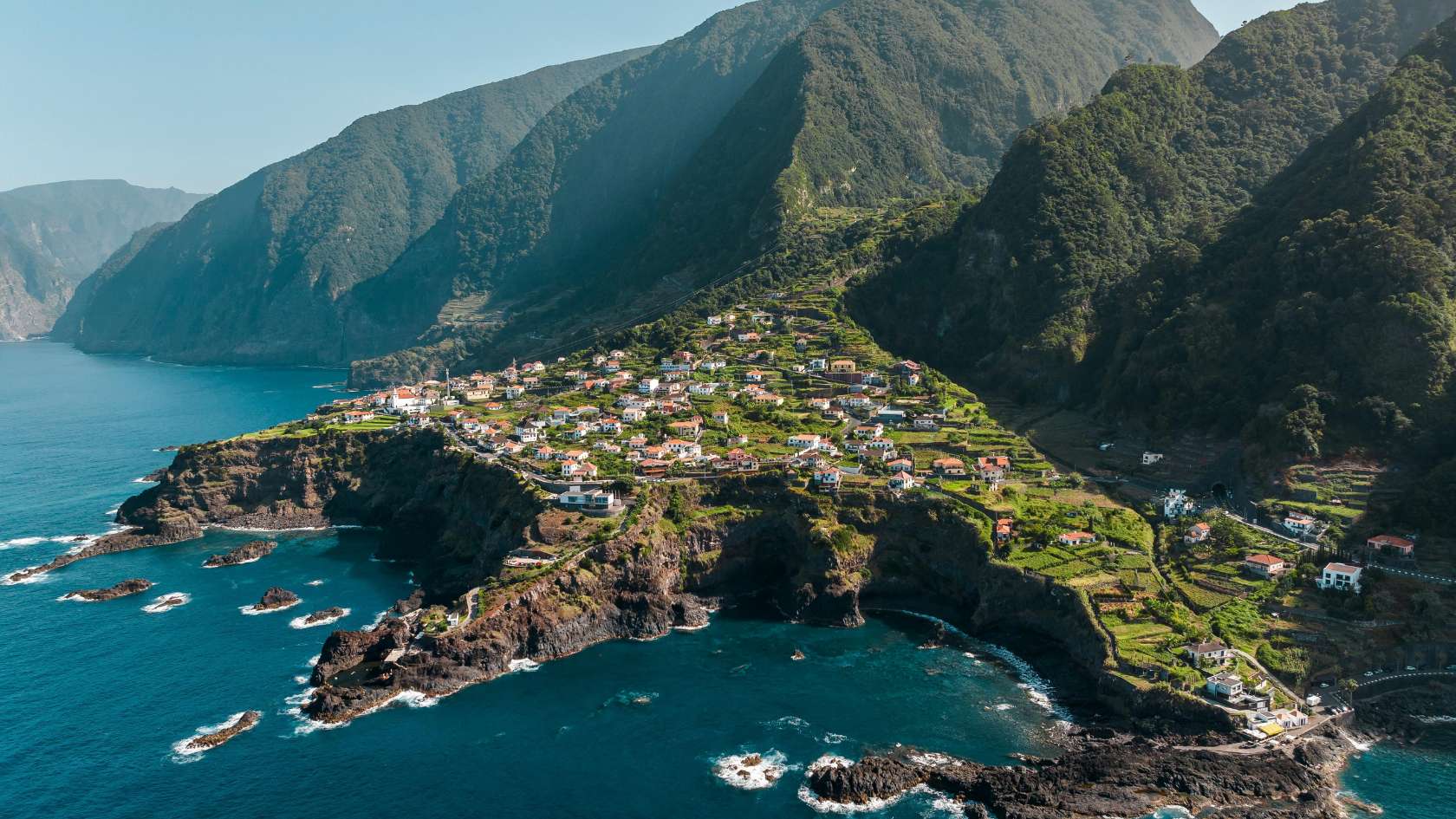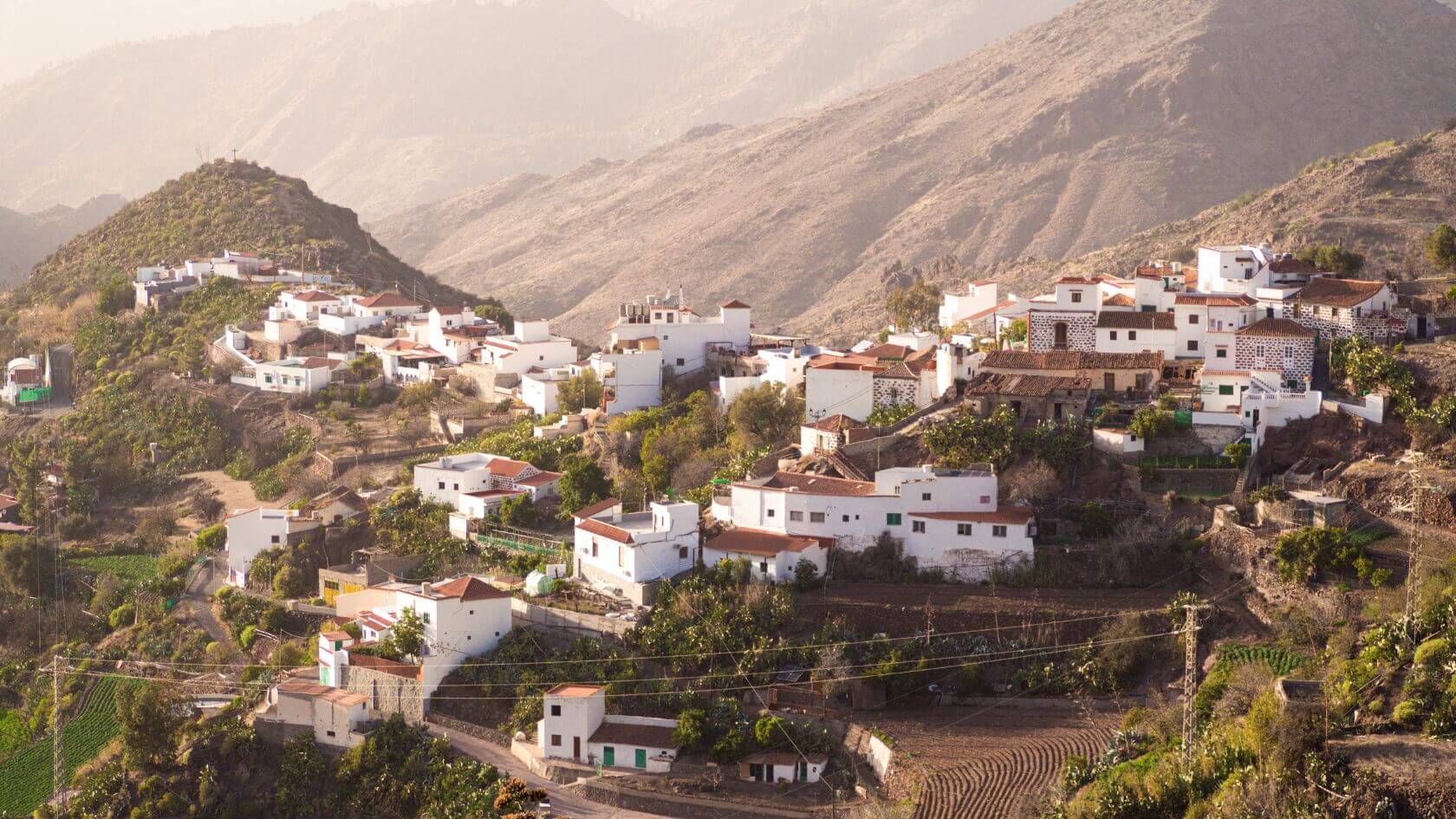

From volcanic landscapes and green mountains to vast beaches and charming harbour towns: Spain has an incredible number of beautiful places to discover. The Canary Islands and the Costa de la Luz, in particular, are perfect if you’d like to see more than just the beach during your holiday. But which Canary Island is right for you, what are the must-see attractions along the Spanish coast, and when’s the best time to go? In this blog, we’ll take you on a tour of some special destinations and share practical tips to help you plan your next holiday to Spain!
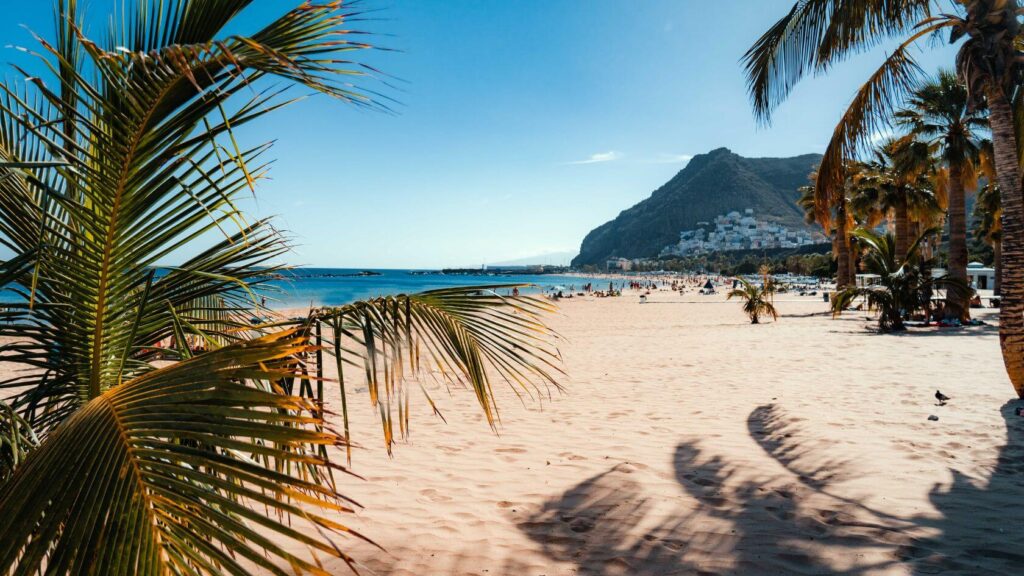
A voyage of discovery along islands and coastlines
Do you love Spain, but want to discover more than just the well-known seaside resorts during your holiday? Then the Canary Islands and the Spanish coast are definitely worth a visit! From impressive volcanic landscapes and green mountains to vast sandy beaches and charming harbour towns. Spain has so many beautiful places just waiting to be discovered. And the great thing is that every destination has something different to offer!
Each of the Canary Islands has its own character
The Canary Islands have been a popular holiday destination for many years, and we can certainly see why! Although the islands belong to the same archipelago, each one has its own character. For example, on Gran Canaria Relax on the beach at Las Canteras, discover the charming city of Las Palmas or explore the mountainous interior. Here you’ll find, amongst other things, Roque Nublo, an impressive rock formation offering stunning views of the surrounding area.
Also Tenerife has so much to offer. From volcanic landscapes and green mountains to charming coastal towns and beautiful beaches. Would you like to explore several islands during your holiday? If so, you can take the ferry from Tenerife to La Gomera travel. This smaller island is known for its lush forests, impressive valleys and peaceful villages.
Which island suits you best depends mainly on what you want to do on your holiday. Are you mainly looking for sun, sea and sand, or would you rather head out to explore nature? Of course, you can do both! With a a holiday to the Canary Islands You can relax to your heart’s content, but also explore various islands and landscapes.
Gran Canaria: beaches, charming towns and mountains
Gran Canaria is a diverse island where you can easily combine a beach holiday with exploring nature and charming towns. In the south lie popular seaside resorts such as Maspalomas and Puerto Rico, where you’ll find plenty of restaurants, shops and beautiful beaches. One of the best-known attractions on Gran Canaria is the Dunas de Maspalomas dune system. This vast dune system lies right by the sea and is particularly beautiful to visit at the end of the day.
The interior of Gran Canaria is also well worth a visit. Here, the beaches give way to mountains, deep valleys and small villages. Why not visit Tejeda, for example, a charming mountain village where you can enjoy stunning views? In the same area, you’ll find Roque Nublo, one of the island’s most famous rock formations.
Would you like to get a better feel for local life? Then pay a visit to Las Palmas, the capital of Gran Canaria. Stroll through the historic Vegueta district, explore the charming squares and round off your day on Las Canteras beach. We recommend hiring a car if you want to explore more of the island. That way, you can easily combine the various sights and won’t be dependent on organised excursions.
Tenerife: stunning natural scenery and the Teide volcano
Tenerife is the largest island in the Canary Islands and has an incredible amount to offer. From beautiful beaches and charming coastal towns to lush mountains and impressive volcanic landscapes. One of the best-known attractions is Teide National Park. Here you’ll find the 3,715-metre-high volcano El Teide, Spain’s highest mountain. The route through the national park alone is well worth the effort. Along the way, you’ll pass unique rock formations, vast lava fields and various viewpoints where you can stop.
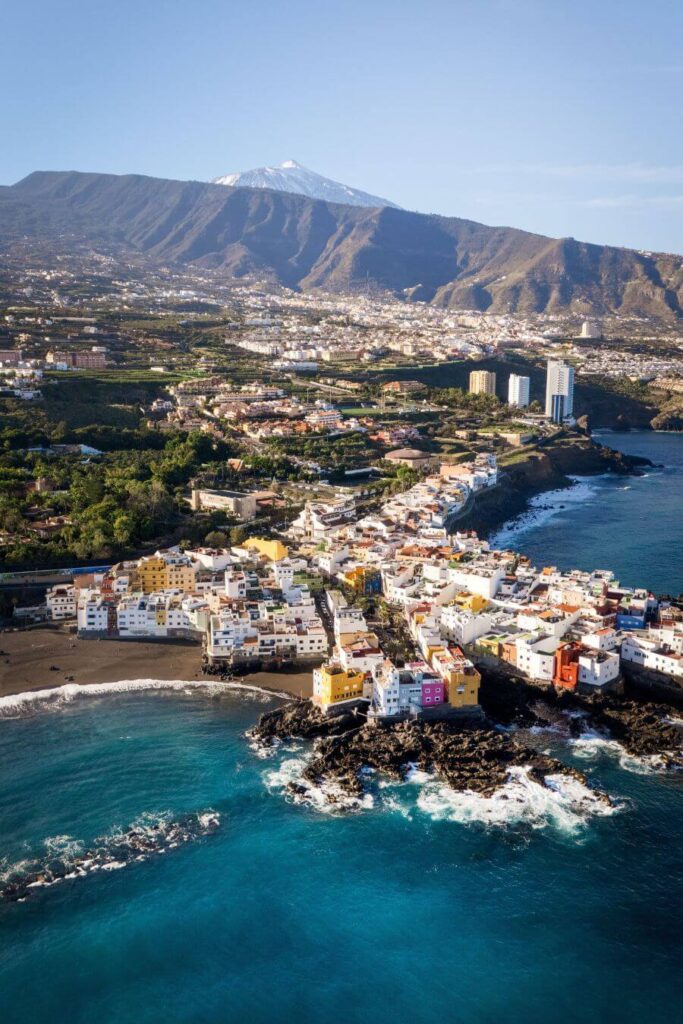
The north of Tenerife is also a wonderful place to explore. Here you’ll find, amongst other things, Puerto de la Cruz, a charming coastal town with a historic centre, and the Anaga Mountains. This lush mountainous region is known for its winding roads, deep valleys and beautiful walking routes. In the south, on the other hand, lie the popular seaside resorts, such as Costa Adeje and Los Cristianos, where you’ll find plenty of beaches, restaurants and accommodation.
During your holiday, bear in mind that the weather in Tenerife can vary considerably from one region to another. The south is often sunnier and drier, whilst the north is greener and tends to be cloudier. It can also be considerably colder in Teide National Park than on the coast. You should therefore always take a warm jumper or jacket with you when heading into the mountains.
La Gomera: tranquillity, lush green forests and walking trails
La Gomera is one of the smaller Canary Islands and lies about 30 kilometres from Tenerife. The island is a lot quieter than the well-known holiday destinations of Gran Canaria and Tenerife and is best known for its stunning natural beauty. Here you’ll find green mountains, deep valleys, small villages and beautiful walking routes. One of the most famous attractions is Garajonay National Park, which is a UNESCO World Heritage Site. This nature reserve is particularly special because of its ancient laurel forests, which are often shrouded in mist, giving them a fairytale-like atmosphere.
As well as Garajonay National Park, the villages of Agulo and Valle Gran Rey are also well worth a visit. Agulo is situated on the north side of the island and is known for its traditional houses and stunning setting between the mountains and the ocean. Valle Gran Rey, on the other hand, is situated on the west coast and is a lovely place to enjoy the beach, cosy restaurants and beautiful sunsets. Do bear in mind, however, that the roads on La Gomera can be quite winding. The distances may seem short on the map, but due to the mountainous landscape, journeys often take longer than you might expect.
Would you like to combine a visit to La Gomera with Tenerife? If so, you can take the ferry from the port of Los Cristianos to San Sebastián de La Gomera. The crossing takes about 50 minutes, depending on the service. You can visit the island as a day trip, but we recommend setting aside at least two to three days if you also want to explore the natural surroundings, walking routes and various villages. That way, you’ll have plenty of time to see more of La Gomera without constantly being on the move.
Read also: 14x The best things to do in Barcelona
Read also: The 40 best restaurants, clubs and rooftop bars in Barcelona
The Costa de la Luz is Spain at its wildest
In the south of Spain lies the Costa de la Luz, a beautiful coastal region in Andalusia bordering the Atlantic Ocean. This region is renowned for its vast sandy beaches, impressive dunes and charming white villages. But the historic cities and charming coastal towns are also well worth a visit. For instance, you can enjoy a lovely stroll through the old streets of Cádiz, soak up the beautiful beaches at Tarifa and discover one of Andalusia’s most beautiful white villages in Vejer de la Frontera.
Would you like to visit several places? If so, we recommend hiring a car. This will allow you to easily combine visits to the various beaches, towns and villages. A Holidays in Spain with TUI is a great opportunity to explore this region and set off on your own.
Cádiz: a historic city by the sea
Cádiz is one of the oldest cities in Europe and is situated on a peninsula on the Atlantic Ocean. The historic centre is incredibly charming, with narrow streets, lively squares and beautiful old buildings. One of the most famous sights is Cádiz Cathedral, which you can recognise from a distance thanks to its striking golden dome.
As well as its historic centre, Cádiz also has a number of lovely beaches. Playa de La Caleta, in particular, is well worth a visit. This small beach is situated close to the centre and is a lovely spot to enjoy the sunset at the end of the day. You should also visit the Mercado Central, where you’ll find various stalls selling fresh produce and local dishes. We recommend setting aside at least one full day for Cádiz, so that you have plenty of time to explore the city.
Tarifa: vast beaches and views of Africa
Tarifa is situated in the very south of Spain and is best known for its extensive beaches and excellent conditions for windsurfing and kitesurfing. Thanks to its location on the Strait of Gibraltar, there’s often a strong wind, meaning you’ll come across plenty of water sports enthusiasts here all year round. But even if you’re not into water sports, Tarifa is a lovely place to visit.
The historic centre has narrow streets, cosy restaurants and small shops. There are also beautiful beaches in the surrounding area, including Playa de Los Lances and Playa de Valdevaqueros. On a clear day, you can even see Morocco from the coast! Bear in mind, though, that it can get quite windy here. If you’re mainly looking to relax on the beach, do check the weather forecast beforehand.
Vejer de la Frontera: one of the most beautiful white villages in Andalusia
About three-quarters of an hour to an hour’s drive from Cádiz lies Vejer de la Frontera, a beautiful white village perched on top of a hill. The village is known for its narrow streets, whitewashed houses and charming squares. It’s a lovely place to take a leisurely stroll, explore the narrow streets and stop off somewhere along the way for a drink or a tasty lunch.
One of the best-known spots is Plaza de España, a charming square with a colourful fountain and a variety of restaurants. The old city walls and the viewpoints around the village are also well worth a visit. From here, there are several spots offering stunning views of the surrounding area. Vejer de la Frontera is also ideal to combine with a visit to Cádiz or the beaches of the Costa de la Luz.

Well prepared for travelling from island to island
Can’t decide which Canary Island to visit? Well, you could, of course, combine several islands in a single holiday! Each island has its own character, which is precisely why island-hopping is so much fun. For example, you can explore the impressive El Teide volcano in Tenerife and, a few days later, go for a walk through the lush forests of La Gomera. Or combine the volcanic landscapes of Lanzarote with the vast sandy beaches of Fuerteventura.
Fancy going island-hopping? If so, it’s a good idea to check in advance which islands you can easily combine. Ferries operate between various islands, but not every route is direct or runs with the same frequency. You should therefore check the timetable in advance and allow for the journey time to the harbour. For islands that are further apart, a domestic flight can sometimes be more convenient.
We recommend staying for at least a couple of nights on each island. That way, you’ll have plenty of time to discover the most beautiful spots and won’t have to keep packing your suitcase. You should also bear in mind the varying weather conditions. On Tenerife and Gran Canaria, for example, it can be sunny in the south whilst the north is cloudy. It can also get quite chilly in the mountains. So, as well as your summer clothes, make sure to pack a warm jumper, a jacket and sturdy walking boots if you fancy getting out into nature. With a bit of preparation, you can discover different aspects of the Canary Islands during a single holiday, without feeling as though you’re constantly on the move.
Frequently asked questions about the Canary Islands
Are you going on holiday to the Canary Islands or the Spanish coast? If so, it’s a good idea to do some research beforehand. Especially if you want to visit several islands, it’s wise to take travel times, ferry connections and varying weather conditions into account. To help you get started, we’ve answered the most frequently asked questions about island hopping, transport and the best time to travel below.
1. How many days do you need to go island-hopping in the Canary Islands?
Would you like to visit several Canary Islands? If so, we recommend setting aside at least one to two weeks. On a one-week holiday, it’s best to combine no more than two islands. That way, you’ll have plenty of time to explore the sights and won’t be constantly on the move. Do you have two weeks to spare? Then you could possibly visit three islands, depending on travel distances and connections.
2. Is a hire car useful in the Canary Islands?
A hire car is certainly handy if you want to explore more than just the area around your accommodation. In Tenerife, Gran Canaria and La Gomera in particular, there are many beautiful sights, walking routes and villages scattered across the island. With a hire car, you can easily plan your own route and stop off at scenic viewpoints along the way. If you’re mainly staying in a seaside resort and don’t plan to go on many excursions, a hire car isn’t always necessary.
3. Which Canary Islands are best to visit together?
Tenerife and La Gomera are a great combination if you want to explore several islands during your holiday. From Los Cristianos on Tenerife, you can take the ferry to San Sebastián de La Gomera. The crossing takes about 50 minutes. On Tenerife, you can visit Teide National Park and the Anaga Mountains, amongst other attractions, whilst La Gomera is particularly well known for its lush forests and peaceful walking trails. Lanzarote and Fuerteventura also combine well, thanks to the short ferry crossing between the two islands.
4. Can you take a hire car on the ferry between the Canary Islands?
That depends on the car hire company’s terms and conditions. Not every car hire company allows you to take a hire car to another island. You should therefore check in advance whether this is permitted and whether the insurance cover is valid during the crossing and on the other island. Sometimes it is easier to return the hire car on the first island and hire a new one on the next island.
5. When is the best time to visit the Canary Islands and the Costa de la Luz?
Thanks to their mild climate, the Canary Islands can be visited all year round. Spring and autumn are particularly good times to visit if you want to do plenty of walking and explore the islands. The islands are also popular in winter, with coastal temperatures often ranging from 18 to 23 degrees. For the Costa de la Luz in southern Spain, we recommend May, June, September and October. During these months, it is usually pleasant to visit towns, beaches and white villages. July and August are particularly suitable for a beach holiday, but bear in mind that temperatures will be higher and it will be busier.
Do you still have any questions after reading this blog, or would you like to find out more about the Canary Islands or the Costa de la Luz? Please feel free to send us a message at Instagram. We’d be happy to help! We hope you have lots of fun planning your holiday to Spain.
We try to keep this blog as up to date as possible, but we can’t do it without your help. If anything has changed, please let us know via info@thousandtravelmiles.nl.
Some of the links in this blog about the Canary Islands are sponsored. This enables us to travel the world, fund the website and offer you free information to help you plan your trip.