

Planning a holiday to Greece sounds simple. Book a flight, pack your sunglasses and off you go. Until you realise just how many different islands and options there are. So which destination suits your trip best? We’ve travelled around Greece several times ourselves and visited Santorini, Milos, Sifnos and Paros, amongst others. In this blog, we’ll share our experiences and help you plan your holiday to Greece. From the best time to travel and choosing an island to island-hopping, transport and practical tips.
General information on Greece
Are you planning a trip to Greece? Then take a look at our tips on the best time to visit, transport and other practical information. Here you’ll find all the information you need about Greece.
1. Why go on holiday to Greece?
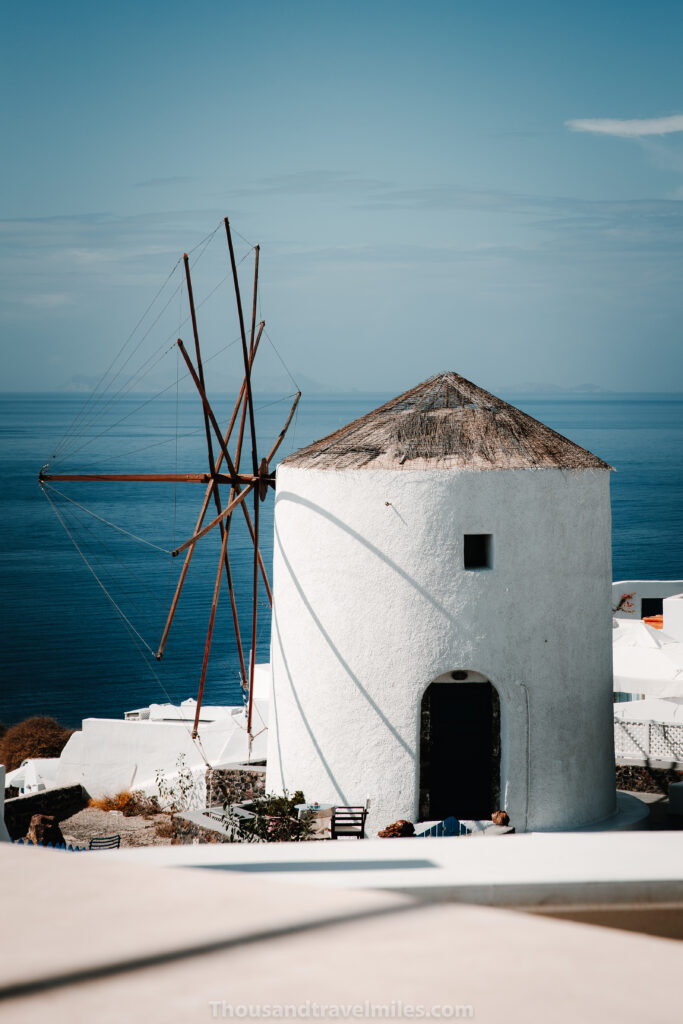
There’s a reason why Greece has been such a popular holiday destination for years. You’ll find beautiful beaches, crystal-clear blue water, charming villages, impressive landscapes, historic sites and, of course, absolutely delicious food. But what we perhaps enjoy most of all is just how different the mainland is from the islands.
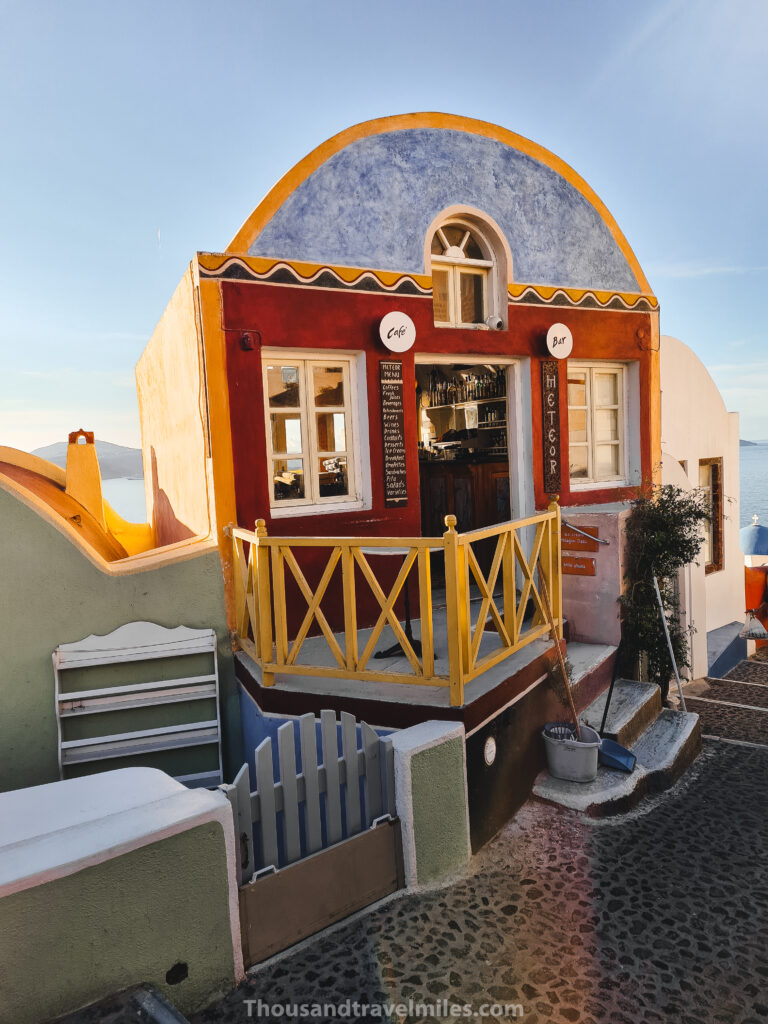
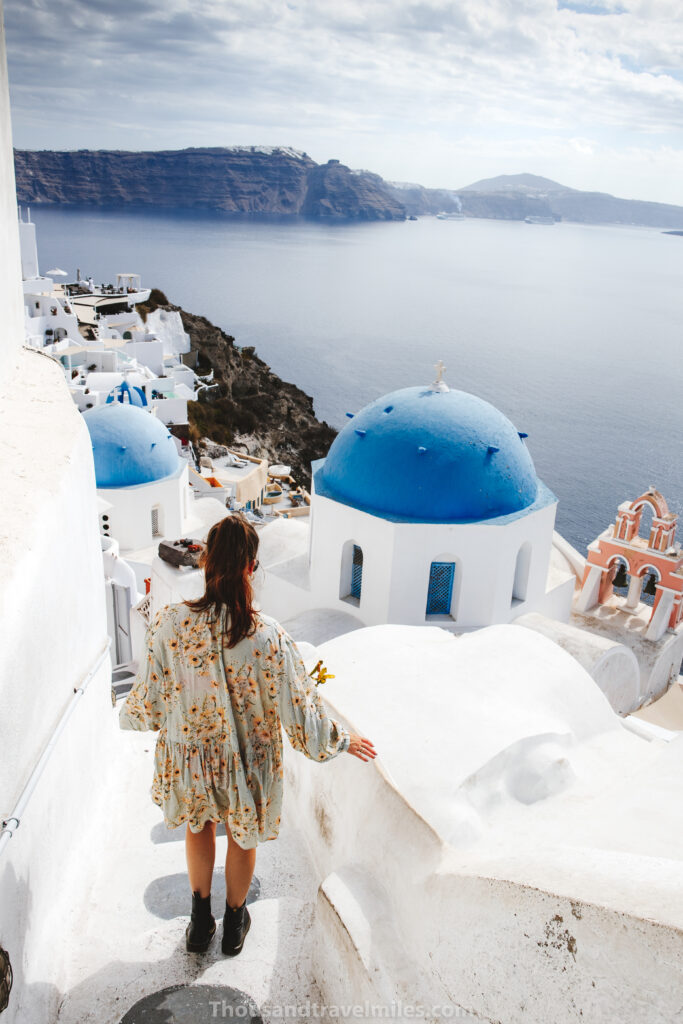
Take the Cyclades, for a start. Santorini is famous for its white houses, blue domes and spectacular views over the caldera. Milos feels a lot wilder in many places and has beaches you won’t find anywhere else. Paros combines charming towns with beaches and lovely villages inland, whilst Sifnos has a unique atmosphere of its own and is ideal for hikers.
This means you can actually explore Greece in all sorts of ways. You could choose one island and spend a week or more there at your leisure, or combine several islands on a round trip. And we’ve only even mentioned the islands so far. .
2. Where to go on holiday in Greece?
This is probably one of the trickiest questions when planning a holiday: where are you going in Greece? Our advice is not to start by looking for the ‘best’ Greek island. First, think about what you want to do on your holiday. Do you mainly want to laze on the beach? Or would you prefer to do plenty of walking and driving around? Are cosy restaurants and villages important to you? Do you want to visit several islands? Or do you mainly dream of those famous white houses and blue domes? Once you know that, choosing becomes a lot easier.
Are you still trying to decide between different destinations? We’ve put together a list of our favourites and the differences between them in our blog post about the the most beautiful Greek islands. So we’d look at those first if you’re still right at the start of your planning.
| Destination | Particularly suitable for | Our experience |
|---|---|---|
| Milos | Unique beaches, nature and driving around | One of the islands that surprised us the most |
| Paros | Charming villages, beaches and plenty of variety | A lovely combination of atmosphere, beach and inland areas |
| Sifnos | Peace and quiet, walking, villages and good food | On a smaller scale and a delight to discover for yourself |
| Santorini | Views, white villages and photography | A bit hectic, but definitely worth seeing at least once |
| Several islands | Travelling around and seeing lots of different places | Ideal if you have enough time to go island-hopping |


Milos: for stunning beaches and beautiful landscapes
Milos was one of the highlights of our trip through Greece. We particularly loved the variety it had to offer. You’ll find unique beaches, colourful fishing villages and beautiful spots that are easy to explore on your own. One place you absolutely mustn’t miss is Sarakiniko. This is probably Milos’s most famous beach, and with its white rocks and clear blue water, you’ll immediately see why.
But don’t just stick to Sarakiniko. Scattered across Milos, you’ll find plenty more beautiful beaches, viewpoints and small fishing villages. We’d therefore definitely recommend setting aside a few days to explore the island, so you have plenty of time to discover its various attractions.
Would you like to know what there is to see? Then take a look at our blog featuring the The best sights on Milos. If you’re mainly looking for the sea and the beach, then we also have the the most beautiful beaches on Milos collected for you.


Paros: a friendly atmosphere, beaches and pretty villages
Paros is quite different again. We particularly enjoyed the mix here. You can go to the beach, stroll through charming little streets and visit various places on the island. Naoussa is probably one of the best-known places on Paros, but don’t overlook the interior either. The mountain village of Lefkes, for example, reveals a completely different side to the island.
This makes Paros an interesting choice if you don’t want to spend your holiday just lying by the pool or on the beach. Hire a car, scooter or quad bike and set off to explore. The island is big enough to offer a variety of things to do, yet compact enough to see plenty during a single holiday. We’ve compiled our favourite spots in our blog featuring the The best sights on Paros.

Sifnos: for those looking for a quieter break
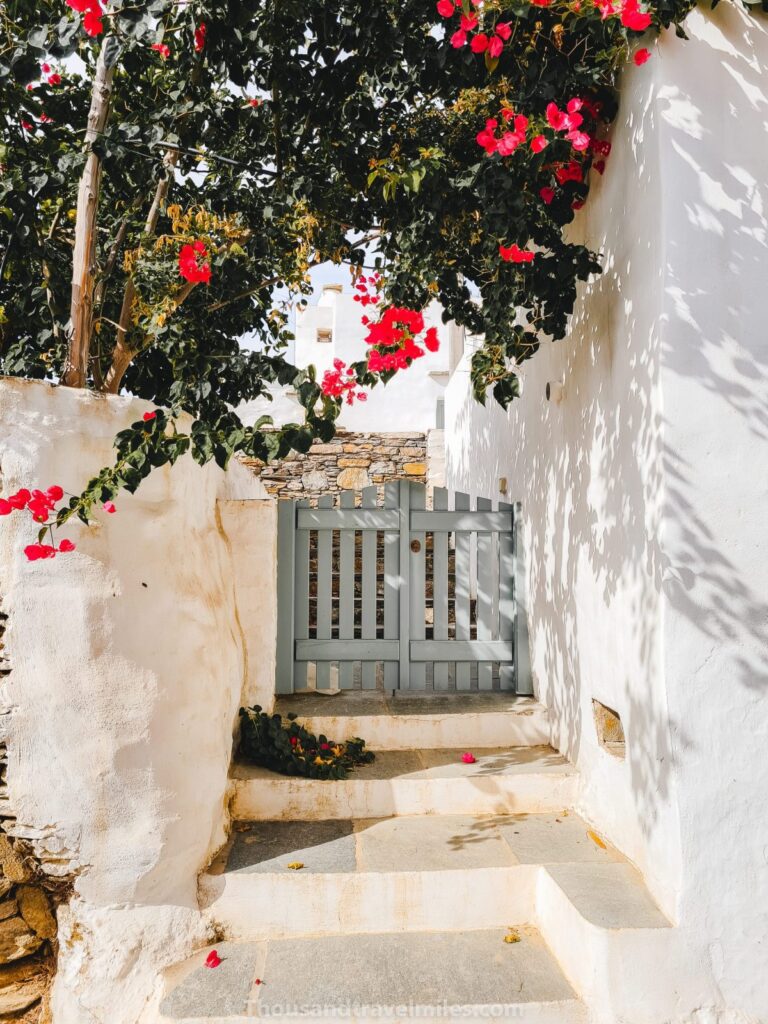
Sifnos may be less well-known than Santorini, Mykonos or Paros, but that’s precisely what we found so charming about it. And to be honest… we mainly went there because people said the food is fantastic!
You’ll find lovely walking routes, small villages, churches and lovely beaches. One of the best-known spots is the Church of the Seven Martyrs, which is beautifully situated on the coast. We particularly liked Sifnos because the island is ideal for travellers who enjoy exploring on their own. You can visit various villages and viewpoints, whilst of course stopping off at a taverna every now and then. A bit of a chore, but someone’s got to do it. Wondering whether Sifnos is the right choice for your holiday? Then take a look at our Places of interest and tips for Sifnos.

Santorini: iconic and incredibly photogenic
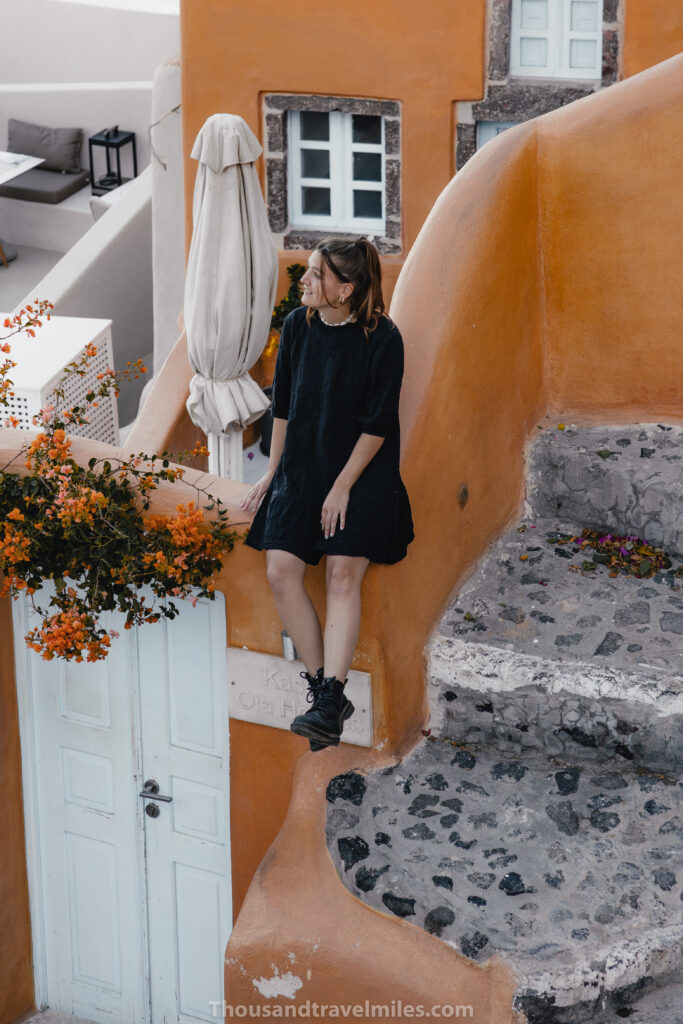
Santorini hardly needs any introduction. Its white buildings, blue domes and views over the caldera are world-famous. As a result, the island is very popular and well-known spots can get quite busy. Nevertheless, we think Santorini definitely has something special about it. Especially when you stroll through Oia outside the busiest times or find a quiet viewpoint. For photography enthusiasts, it’s an absolute treat. That’s why we’ve put together our favourite Instagram and photospots on Santorini collected.

3. One island or island-hopping in Greece?
Once you’ve had a look at a few islands, you’ll probably find yourself facing a new dilemma: why choose just one? So… Welcome to island hopping. The Greek islands can be easily combined with ferry journeys on many routes. Especially if you have two or three weeks to spare, island hopping can be a brilliant way to discover different sides of Greece. We think the big advantage is that every few days feels almost like a new holiday. You board the ferry, watch your previous island slowly disappear, and a few hours later you’re walking into a completely new destination with your suitcase in hand.
On the other hand, every journey takes time. Checking out, heading to the harbour, waiting for the ferry, the crossing, travelling back to your accommodation and checking in again: before you know it, a good chunk of the day has gone by. That’s why we wouldn’t try to tick off six islands in two weeks. It’s better to visit fewer destinations and actually have time to explore them. Would you like to put together your own itinerary? In our comprehensive guide, we explain how to planning an island-hopping trip in Greece.
Would you prefer a specific route as an example? We also have our Three-week Cyclades itinerary set out in detail. This will immediately give you a better idea of how much time you can set aside for each island.
4. When is the best time to go on holiday to Greece?
The best time to visit Greece depends on your destination and what you want to do during your holiday. For a proper sun holiday, the summer months are, of course, the most popular. You’re likely to enjoy warm, sunny weather, and the islands are buzzing with life. Restaurants, accommodation and other tourist facilities are in full swing during this period.
On the other hand, July and August can also be busy and hot. Particularly if you enjoy visiting villages, going for walks or seeing lots of sights, the peak summer heat isn’t always ideal.
We therefore think it’s worth including the months around the peak season in your comparison. In late spring and early autumn, the weather can still be lovely at many Greek destinations, whilst it’s often quieter than in the middle of the summer holidays.
| Period | What can you expect? | Suitable for |
|---|---|---|
| Spring | Pleasant temperatures and generally quieter than in the high season | Tours, walking and places of interest |
| July & August | Warm, sunny and busier at popular destinations | Sun and beach holidays |
| Early autumn | It’s often still lovely and warm, and quieter than in the height of summer | Combining a beach holiday with a tour |
Would you prefer to go away in July or August because you’re tied to the school holidays or simply love the heat? That’s perfectly fine, of course. Just bear in mind that temperatures will be higher and the well-known islands and popular spots will be busier.
Are you still comparing your options for where to go this summer? If so, as well as Greece, you could also consider the wider range of options for a summer holidays view.
5. How long should you set aside for a holiday in Greece?
A week may well be enough for a single island, especially if you’re mainly looking to relax and go on the odd day trip. If you want to explore a larger island in depth or combine days on the beach with visits to various sights, then a bit more time would, of course, be nice. We’d recommend setting aside more time for island hopping.
| Journey time | What we would do |
|---|---|
| 1 week | Choose one island and explore it at your leisure |
| 2 weeks | Combine one or two islands |
| 3 weeks | Ideal for a more extensive island-hopping itinerary |
| Longer than 3 weeks | You could combine a visit to several islands with a trip to Athens or the mainland |
 Tip: don’t pack your itinerary too full. It’s very tempting, when planning, to ‘just quickly’ squeeze in an island here and there. It looks brilliant on paper. Once you’re on the road, though, it’s usually nicer not to wake up every morning with a half-packed suitcase.
6. How do you book a holiday to Greece?
There are various ways to organise a holiday to Greece. We like to plan our own itineraries, especially when we’re combining different islands. This allows you to decide for yourself how many days to stay in each place and which route to take. But not everyone fancies sorting out flights, accommodation and other details separately. Perhaps you’d prefer to choose just one island and, above all, go on holiday without too much hassle. So first, think about what sort of holiday you’re looking for.
Would you like to use a single destination as a base and go on day trips from there? If so, a package holiday might be a good option. Would you prefer to combine three or four islands and decide for yourself how many days to spend in each place? In that case, a self-organised tour would probably suit you better. Those who prefer to book flights and accommodation together can, for example, check out the offer for a holiday in Greece browse and compare different destinations and accommodation options.
Whichever option you choose, don’t just look at the price. Also check the location of your accommodation, journey times, local transport and what you actually want to do during your holiday. A cheap hotel suddenly becomes a lot less appealing if you’re spending long periods travelling every day to the places you want to visit.
7. How much does a holiday to Greece cost?
Unfortunately, there’s no set figure for this. The cost of a holiday in Greece varies enormously depending on the destination, the time of year and the way you travel. Santorini in high season, for example, can be a completely different price to a lesser-known island outside the busiest summer weeks. The type of accommodation also makes a big difference.
When planning your budget, don’t just take flights and hotels into account. Also bear in mind transport to and from airports and ports, ferries, local transport or a hire car, food and drink, activities and any beach sun loungers.
| Cost item | Please bear in mind that |
|---|---|
| Flight | Travel dates, airport and destination |
| Accommodation | Island, location and type of accommodation |
| Transport | Ferries, hire cars, scooters, buses or taxis |
| Food & drink | Restaurants, taverns and groceries |
| Activities | Excursions, boat trips and admission fees |
| Additional costs | Transfers, luggage and, for example, sun loungers |
When you’re island hopping, it’s the individual journeys in particular that can really add up. That’s why we always make a rough estimate of the total cost of the trip in advance, rather than just looking for the cheapest flight or accommodation. For example, a slightly more expensive stay in a good location can ultimately work out cheaper and be more convenient if it means you need less transport.

8. Practical tips for your holiday in Greece
A few simple steps can make planning your holiday a lot easier. Start thinking about your itinerary in good time, especially if you’re travelling during the high season. Popular accommodation and convenient transport links can fill up quickly at that time of year.
Also, make sure you check carefully which island you’re flying to and which island you’re flying back from. When island-hopping, you don’t always have to return to your starting point. Sometimes you can take a much more logical route by arriving on one island and flying back from another. You should also bear in mind the time in Greece. Greece is one hour ahead of the Netherlands. It’s not a huge time difference, but it’s useful to know if, for example, you have a transfer, ferry or other booking. You can read more about this in our blog on the time difference between Greece and the Netherlands.
So, to summarise briefly:
✓ First, choose the type of holiday you’re looking for
✓ Compare different Greek islands
✓ When island-hopping, check the ferry timetables
✓ Don’t plan to visit too many islands in a single trip
✓ Take a good look at the location of your accommodation
✓ Bear in mind the time difference
✓ Leave some time for spontaneous stops
And perhaps our most important tip: leave room for spontaneity. Not every hour of your holiday needs to be planned in advance. Sometimes that taverna you happen to stroll past is more enjoyable than the restaurant you’ve had on your itinerary for three months. And sometimes that one beach where you only intended to stay for ‘just an hour’ turns out to be exactly the place where you end up spending the whole afternoon.
9. Which holiday in Greece is right for you?
Greece is so diverse that there isn’t really a single answer to the question of where you should go. It was precisely these differences that made our travels through Greece so enjoyable. One moment you’re walking amongst snow-white houses and blue domes; a few days later you’re standing amongst bizarre rock formations by the sea; and then, in the evening, you’re sitting at a table in a small village with far too much food in front of you. And let’s be honest: that’s a problem we’re more than happy to have whilst on holiday in Greece.
So do take the time to compare different destinations and then decide which way of travelling suits you best. Whether you ultimately choose one island or travel from island to island by ferry: as far as we’re concerned, Greece is the sort of destination where, after just one holiday, you’ll come home full of ideas for your next one.


10. Frequently asked questions about holidays in Greece
1. What travel documents do you need for Greece?
If you are travelling to Greece as a Dutch national, you will need a valid passport or a valid identity card. Before you set off, please also check the requirements for children and for travellers of other nationalities. A driving licence is not a substitute for a travel document.
2. Can you pay with the euro in Greece?
Yes, Greece uses the euro. In many tourist areas, you can pay by debit or credit card. However, it’s handy to have some cash for smaller tavernas, markets and remote areas. Check in advance for any fees for withdrawing cash.
3. Is it safe to drink tap water in Greece?
That varies depending on the destination. On the mainland and on some islands, tap water is safe to drink, but on other islands, bottled water is recommended due to the local water supply or taste. Ask your accommodation provider what is recommended locally.
4. Do you need to book restaurants and activities in advance in Greece?
Particularly in July and August, it’s a good idea to book in advance for popular restaurants, boat trips and activities with limited places. Outside the high season, you can often plan more spontaneously. For specific excursions, do also check the cancellation terms.
5. Does your Dutch mobile contract work in Greece?
Greece is covered by the European roaming regulations. With many Dutch mobile contracts, you can use your data allowance just as you would at home, but fair use conditions or data limits may apply. Please check this with your provider.
6. How far in advance do you need to arrive for a ferry in Greece?
The recommended arrival time varies depending on the ferry, the port and whether you are travelling with a vehicle. Check the instructions on your ticket and allow extra time for your journey to the port and in case of crowds. Also check shortly before departure to see if the departure time has changed.
We try to keep this blog as up-to-date as possible but this cannot be done without your help. If anything has changed, please let us know via info@thousandtravelmiles.nl.
Some of the links in this blog are affiliate links. If you choose to make a purchase via these links, we’ll receive a small commission at no extra cost to you. By using these affiliate links, you’re supporting Thousandtravelmiles. This allows us to travel the world, fund the website and offer you free information to help you plan your trip. It means that a ‘real’ person does a little happy dance whenever you make a purchase via this link! You’re a legend!