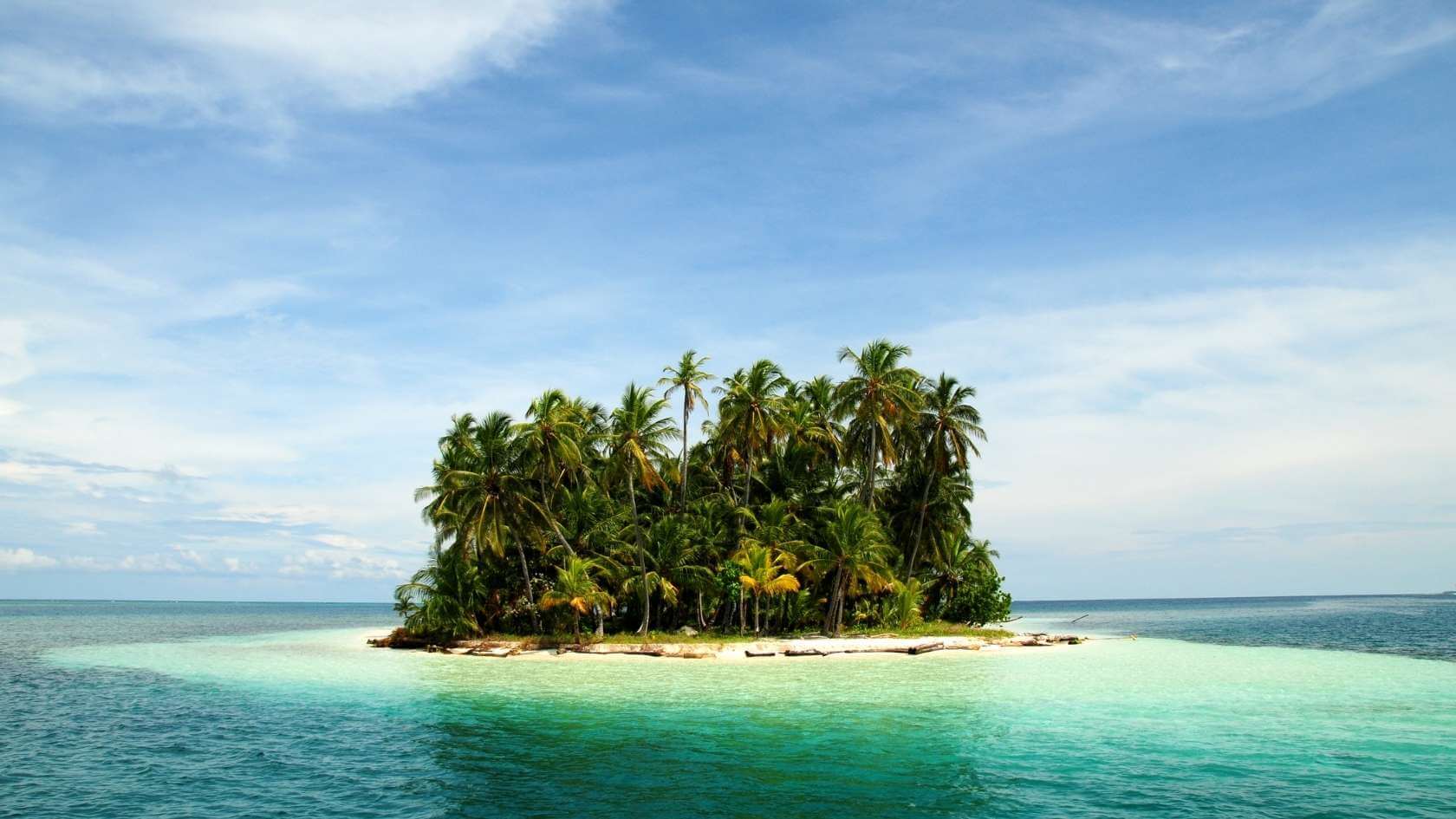
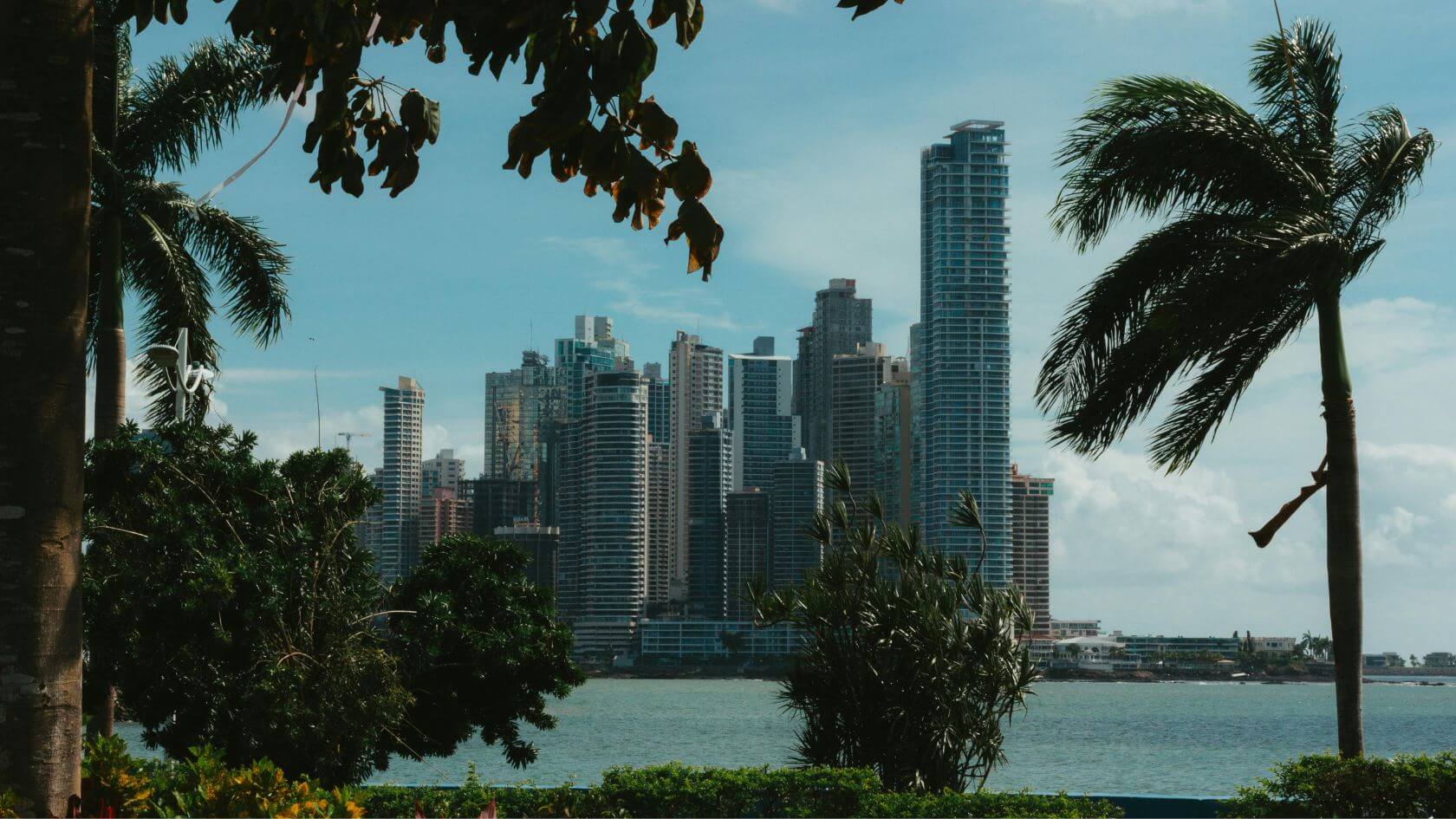
When we told people we were going to Panama, we were asked the same question surprisingly often: “How on earth did you come up with that?” And to be honest? The answer is almost embarrassingly simple. We wanted to go to Central America, so we threw an imaginary dart at the map in our heads… and it landed on Panama. And you know what? We couldn’t have made a better choice.
Panama is one of those countries that never ceases to surprise you. It’s affordable, it feels safe (Panama is known as one of the safer countries in Central America), and it genuinely has it all: unspoilt jungle, white and black sand beaches, mountains, waterfalls, surfingspots, quaint villages and a capital city that sometimes feels like a mix between Latin America and Miami. Developed, yet still so authentic. And that’s exactly what makes Panama such a lovely destination for a round-trip holiday for us!
General information about Panama
Are you planning a trip to Panama? Then be sure to check out our tips for the best travel period, daily budget and applying for a visa. On our Panama page you will find a complete overview of all practical information.


What is the best itinerary for Panama? (2–3 weeks)
We spent three weeks travelling through Panama, and this was ideal for us. We had plenty of time to see the highlights, but also to just hang about every now and then. And to be honest, that “hanging about” is very tempting in Panama, especially in places where you can surf, snorkel or simply do nothing.
Are you short on time? Then two weeks is definitely enough to see the highlights. Your trip will be a bit busier, but if you choose wisely, you’ll still get a great deal out of it. In our opinion, a stay longer than three weeks isn’t strictly necessary, unless you really want to fit in more days on the beach, spend more time surfing or simply enjoy a slower pace!
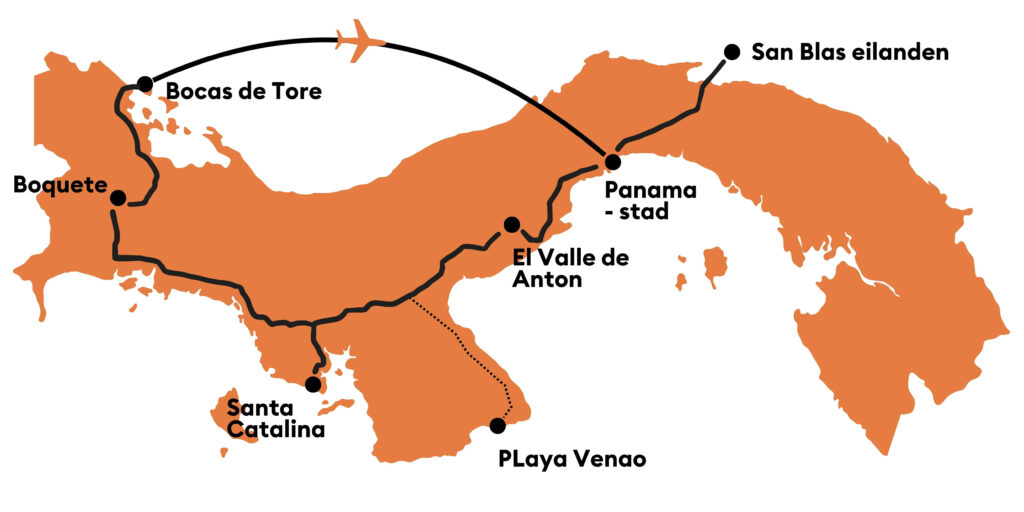
Example of our Panama itinerary: day-by-day overview
To give you a good idea of the pace of travel, we have listed our latest 3-week itinerary through Panama. This table shows how many nights we spent at each destination and helps you strike a good balance between travelling and relaxing. Use it for inspiration and plan your own ideal trip!
Day 1: Late arrival in Panama City
Day 2: Panama City
Day 3: Panama City to Valle de Anton
Day 4: Valle de Anton
Day 5: From Valle de Anton to Santa Catalina
Day 6: Santa Catalina
Day 7: Santa Catalina
Day 8: Santa Catalina
Day 9: Santa Catalina to Boquete
Day 10: Boquete
Day 11: Boquete
Day 12: Boquete to Bocas del Toro
Day 13: Bocas del Toro
Day 14: Bocas del Toro
Day 15: Bocas del Toro
Day 16: Bocas del Toro to Panama City
Day 17: To the San Blas Islands
Day 18: San Blas islands
Day 19: San Blas islands
Day 20: From the San Blas Islands to Panama City
Day 21: Panama City and the return journey to the Netherlands
If you’ve got two weeks, you’ll need to shorten the itinerary. Consider spending one or two days less in Santa Catalina, one day less in Bocas, and cutting your stay on the San Blas Islands back to two or three nights. That way, the itinerary will still make sense and be relaxed enough.
What’s the best way to travel around Panama?
Panama is a country where you can get around in various ways. And the great thing is: every option works. But there is a difference between “it’s possible” and “it’s comfortable”. We ended up combining several options, and we found that to be the best approach!
1. Car hire in Panama (our top recommendation)
If you really want to explore Panama properly, a hire car is the best option. Not only because it gives you plenty of freedom, but also because some places simply can’t be reached by public transport. With a car, it’s much easier to follow a logical route, and you can stop spontaneously along the way at viewpoints, small beaches, little villages or a hike that you suddenly spot on Google Maps. Why we recommend hiring a car in Panama:
- Maximum freedom and flexibility
- Easy stops at viewpoints, beaches and hiking trails
- Many places are difficult to reach by public transport
- The roads are generally good to surprisingly good
- Navigation via Google Maps works perfectly
We were driving a normal car, but if you’re heading to the mountains, beaches or the jungle, an SUV is definitely recommended. It’s simply more comfortable, particularly around Valle de Antón, Santa Catalina and Boquete. You’ll really notice the difference on stretches of road where the surface gets a bit rougher, or when you’re driving the final stretch of unpaved road to a trailhead or your accommodation. Would you like to know more about hiring a car? Read our Tips for hiring and driving a car in Panama!
 Tip: we almost always opt for Sunnycars.co.uk, because it is by far the most reliable option. With their clear terms and conditions and all-inclusive service, you are always well insured, with no hidden costs.
2. Public transport (cheap but time-consuming)
Panama has surprisingly good public transport, especially between the larger cities. You can get almost anywhere by bus or shared shuttle, and it’s a great option if you don’t want to hire a car.
Local buses They are incredibly cheap and run between almost all the cities in the country. Bear in mind, however, that you’ll often have to change trains and that journey times can be quite long.
Shuttles are a popular alternative amongst backpackers. They are more comfortable than the local bus and run on fixed routes, for example between Panama City, Boquete and Santa Catalina. You pay a bit more for this service, but you’re usually picked up and dropped off at your accommodation, which makes travelling a lot easier. However, you do sacrifice some flexibility, as you’re tied to fixed departure times.
Are you travelling on a tight budget and in no hurry? If so, public transport is a great option. If you’re looking for more comfort and convenience, shuttles are a good compromise.

3. Taxis and Uber (ideal in cities)
In Panama City, Uber is absolutely brilliant. It feels safe, it’s cheap and it’s reliable. In addition, many taxi drivers also use the InDrive app. This is a really handy app where you can bid for a taxi ride. A driver makes an offer, you make a counter-offer, and if you’re not in a hurry, this is often the cheapest option. You’ll see the classic yellow taxis everywhere. They work fine too, but always agree on a price in advance with these taxis.
4. Domestic flights (handy when you’re short on time)
Are you short on time but still want to combine Bocas del Toro and San Blas, for example? Then domestic flights could be a good option. They save a lot of travel time, are relatively affordable, and usually depart from Panama City. Especially if your itinerary would otherwise involve too much back-and-forth travelling, flying can really make your schedule a lot more relaxed.
In the end, we found we liked combining everything best: a hire car for most of the tour, Uber or taxis in Panama City and (if you want to save time) a domestic flight for longer distances. This isn’t usually the cheapest option (certainly not if you drop the car off somewhere other than where you picked it up), but in terms of comfort, freedom and efficiency, it really works very well in Panama.


Our itinerary through Panama
Panama is one of those destinations that never ceases to surprise you. During our road trip, we drove from modern skylines to mist-shrouded mountain villages and from surf beaches to remote islands in the Caribbean Sea. It’s precisely this incredible variety that makes the country so special. In this itinerary, we’ll take you step by step through the places we’ve visited ourselves, including our experiences and honest insights. And… if it doesn’t all fit into your schedule, you’ll have a very good reason to come back to this fantastic country again!
1. Panama City: old versus new
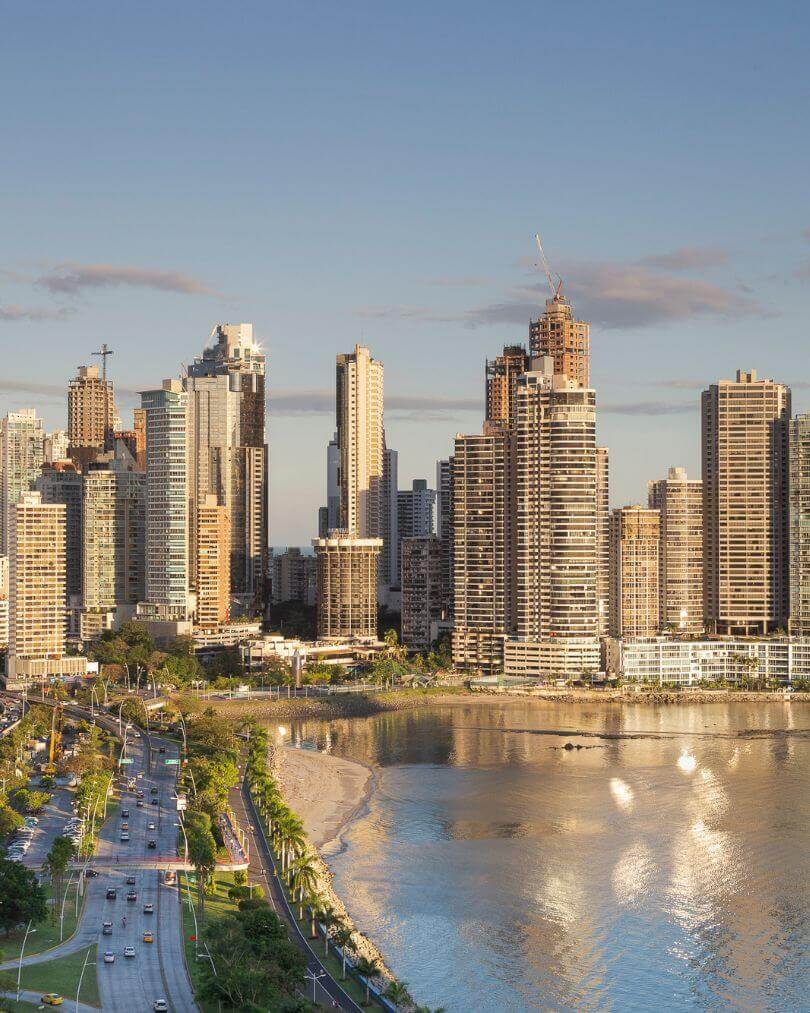
For most travellers, a tour of Panama begins (and ends) in Panama City. And to be honest? That’s no hardship. Whilst many capital cities in Central America feel mainly busy and chaotic, Panama City is surprisingly modern, well-organised and a comfortable place to start your journey. It’s a lovely place to settle in at a leisurely pace, get used to the climate and the time zone, and get a first impression of the country.
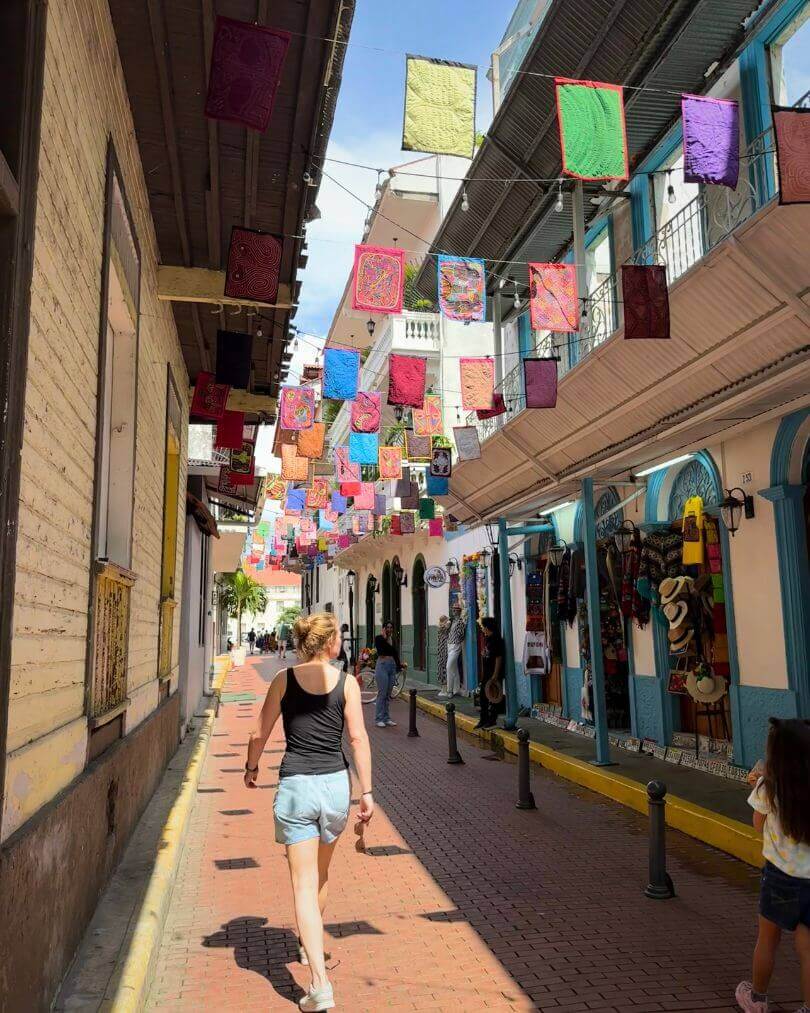
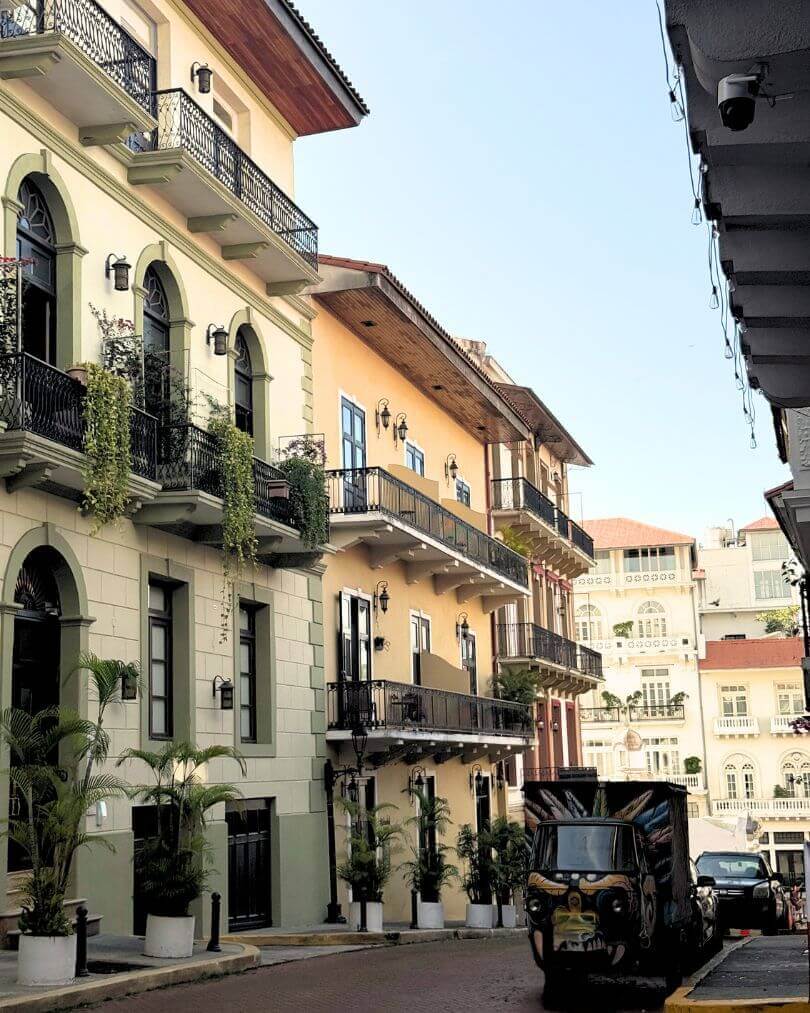
We stayed in Casco Viejo: the old town. And believe us: if you want to make a good choice, let this be it. Casco Viejo is where the atmosphere is. It feels cosy and colourful, with narrow streets, historic buildings, coffee shops, good restaurants and boutiques. It’s easy to walk around, there’s a lovely buzz in the evenings, and it’s a wonderful place to start your trip.
The new part of Panama City has an impressive skyline, but consists mainly of offices, shopping centres and large chain stores. It’s nice to drive or cycle through, but personally we wouldn’t want to stay there.
Things to do in Panama City
In Panama City, you can easily spend two full days without feeling rushed. Here, you can combine culture, the skyline, nature and a surprising amount of wildlife, right in the heart of the city. These are the things we did and really enjoyed:
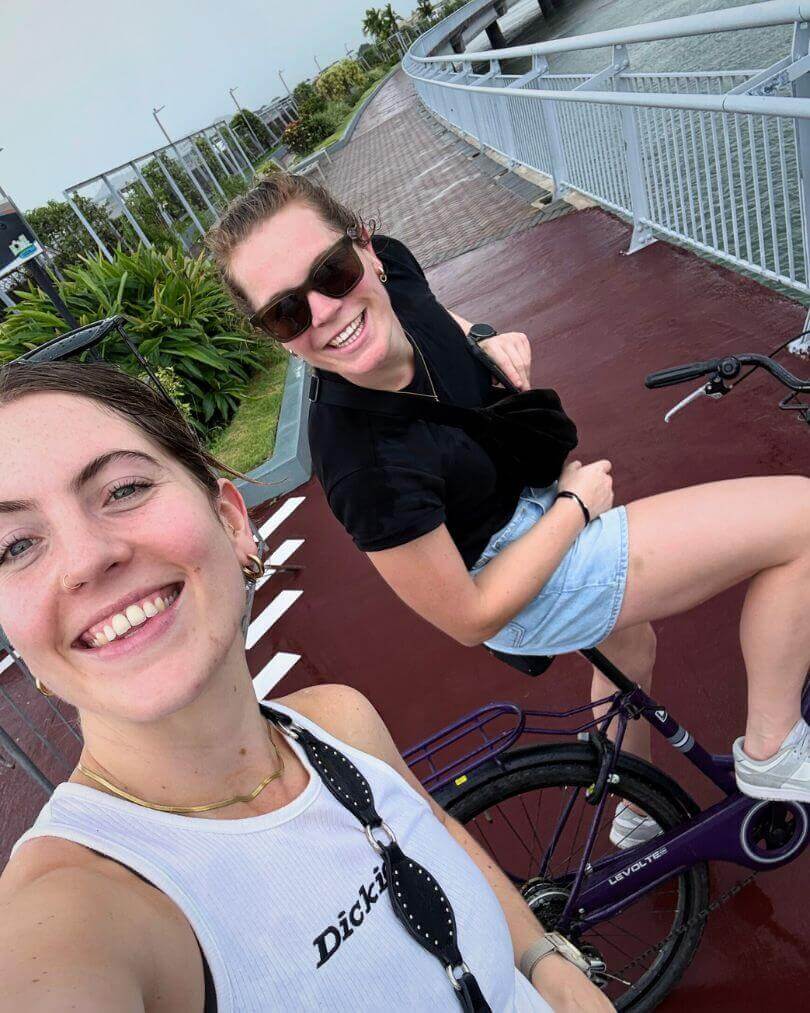
- Cycling along the Cinta Costera: One of the best ways to see the contrast between the old and the new is by bike. Hire a bike in Casco Viejo or Book a full-day cycle tour here and cycle along the Cinta Costera towards the modern skyline. You’ll cycle along the seafront, seeing locals exercising and families having picnics, whilst enjoying a constant view of the skyscrapers. This is a particularly lovely route in the late afternoon.
- Strolling through Casco Viejo: Casco Viejo isn’t the sort of place where you “have to do something”. Just wandering around is the best thing to do here. Stroll aimlessly through the narrow streets, have a coffee in a square, browse the boutiques and, in the evening, head to a rooftop bar for views over the city. By day it feels historic and charming; by night it’s lively but not chaotic.
- Sunset at the Panama Canal Monument (Amador Causeway): At the end of the Amador Causeway, you’ll find the Panama Canal Monument. It’s a lovely spot to watch the sun go down, with views over the skyline. You’ll see locals gathering here, joggers running past and boats in the distance. Simple, but just the ticket to round off your day.
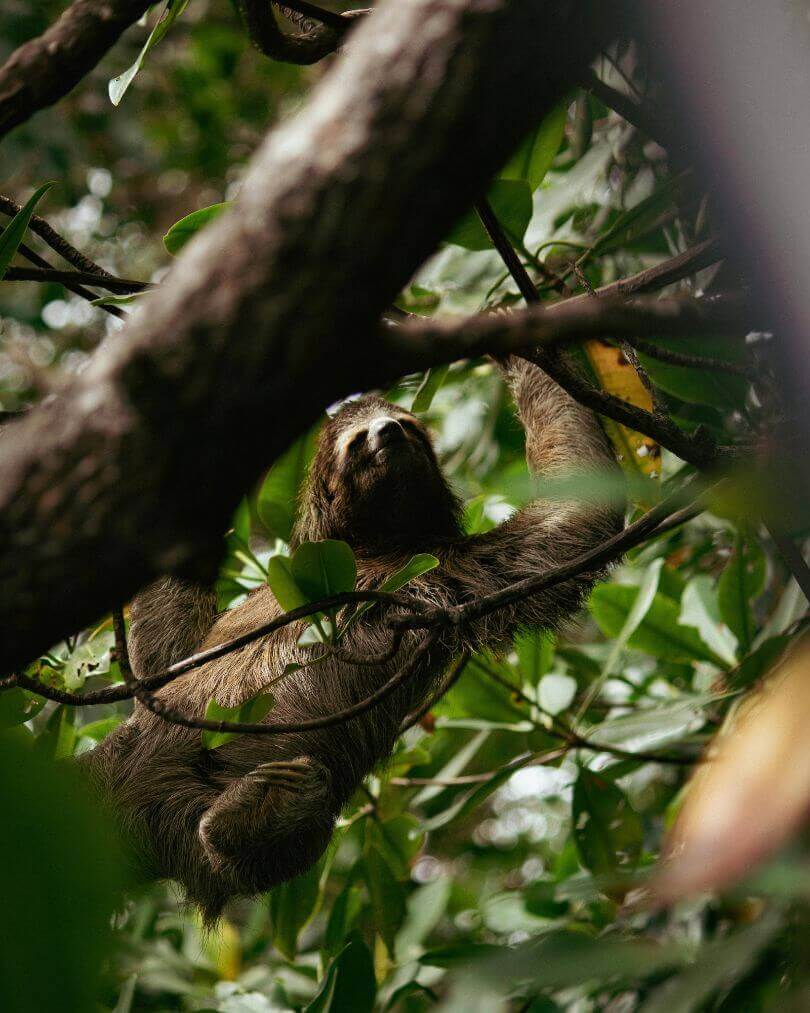
- Hike to Ancon Hill: Fancy some views and wildlife? Then head to Ancon Hill. The walk up takes about 2 hours (there and back) and is easy going as you’re walking on tarmac. At the top, you’ll be rewarded with views of the skyline, Casco Viejo and the Panama Canal. We spotted monkeys and a sloth along the way, so be sure to look up into the trees.
- Attending a local football match: One of the best evenings we had was at a local football match. The stadium is buzzing with energy, families and passionate supporters. Even if you’re not a huge football fan, it’s a great way to soak up the local atmosphere.
- Metropolitan Natural Park (bonus tip): Do you have more time, or would you like to experience even more nature? If so, Metropolitan Natural Park is highly recommended. This small rainforest is situated right in the heart of the city, yet feels completely secluded. There’s a good chance you’ll spot wildlife here, without having to travel far.
→ Would you like to visit the Panama Canal with a guide, go on a boat trip or join an organised city tour? Then take a look at what’s on offer from GetYourGuide to Panama City and choose the option that suits your trip.
2. Valle de Antón: nature, hikes and a lovely little village
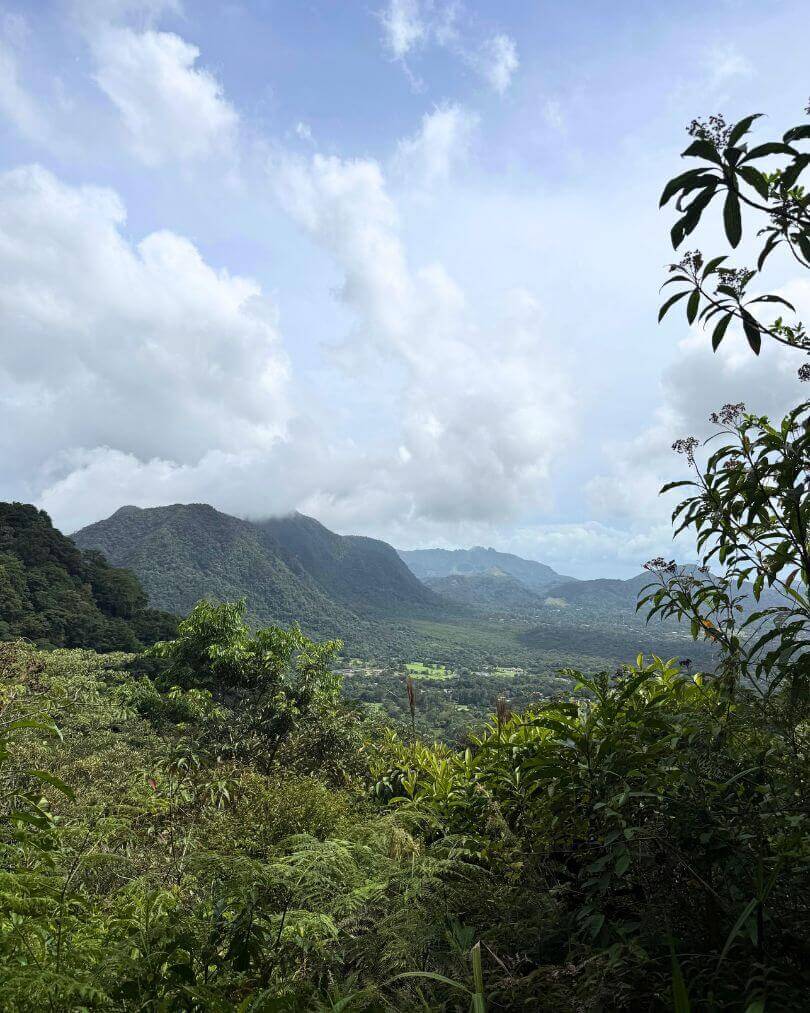
After Panama City, we drove on to Valle de Antón. And that journey feels almost symbolic… from the hustle and bustle and the skyline to tranquillity, nature and mountains. Valle de Antón is a lovely place to stop if you love nature and walking. It lies in a valley, surrounded by green hills, and you immediately feel as though you’ve arrived in a different part of Panama.
We slept in The Golden Frog Inn I’d absolutely recommend it. The view is stunning, there’s a lovely swimming pool, the location is brilliant, the breakfast was fantastic and the staff are so lovely. If you can stay here, do it.
The weather wasn’t the best during our stay, so we mainly went for walks. And that’s exactly what makes Valle de Antón so lovely: you can easily go on several hikes here without having to travel endlessly. Our tip: choose something that suits your fitness level and what you enjoy. You don’t necessarily need to plan more than three hikes, as many of the viewpoints ultimately look out over the same valley, just from different angles.
Things to do in Valle de Antón
Valle de Antón feels completely different to Panama City. The valley lies within the crater of an ancient volcano and is renowned for its natural beauty, viewpoints and walks. Don’t expect a packed itinerary here; instead, expect plenty of time spent outdoors, lovely hikes and relaxed coffee breaks in between.
- La India Dormida: This is one of the best-known hikes in Valle de Antón, and we can certainly see why. Navigate to “India Dormida Hike”. There’ll be someone there to organise parking, keep an eye on your car whilst you’re out walking, and point you in the right direction to the start of the trail. The hike costs 5 dollars and takes about 3 hours.
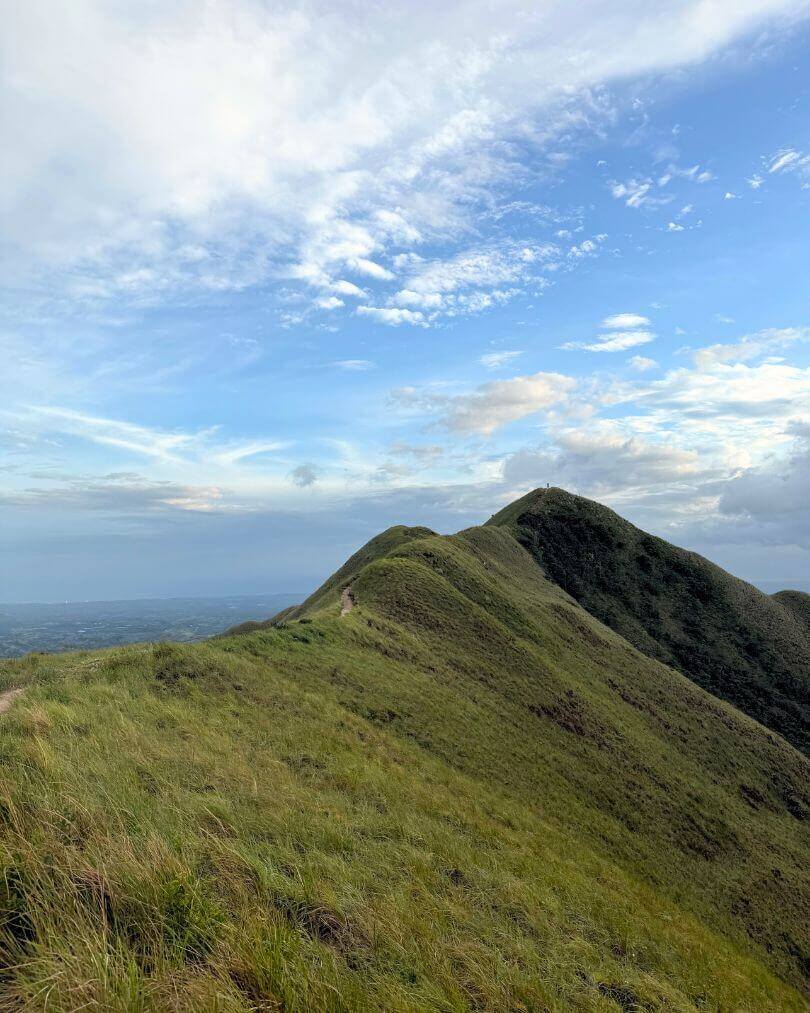
- Cerro La Silla – sunset: We thought this was such a lovely way to round off the day. Head for “Cerro la Silla”. If you’re in an SUV, you can drive right up to the starting point. We were in a normal car, so after a while we parked it at the side of the road and walked for about ten minutes.
Make sure you’re at the starting point around 5.00 pm. You’ll recognise it by a little cottage where you pay $5 per person. From there, it’s about a 45-minute walk to the third peak. Take something to drink with you (we’d say a cold beer, of course) and enjoy the view. It can get cold up here, so bring a jumper. Many travellers also do this hike at sunrise. - Food, coffee and a cosy atmosphere: Valle de Antón also has plenty of lovely little places to eat. Be sure to pop into La Ranita Gourmet, Kare Coffee or Volcanito’s.
The journey time from Panama City to Valle de Antón is approximately 2.5–3 hours by car.
3. Santa Catalina: surfing, Coiba and authentic Panama
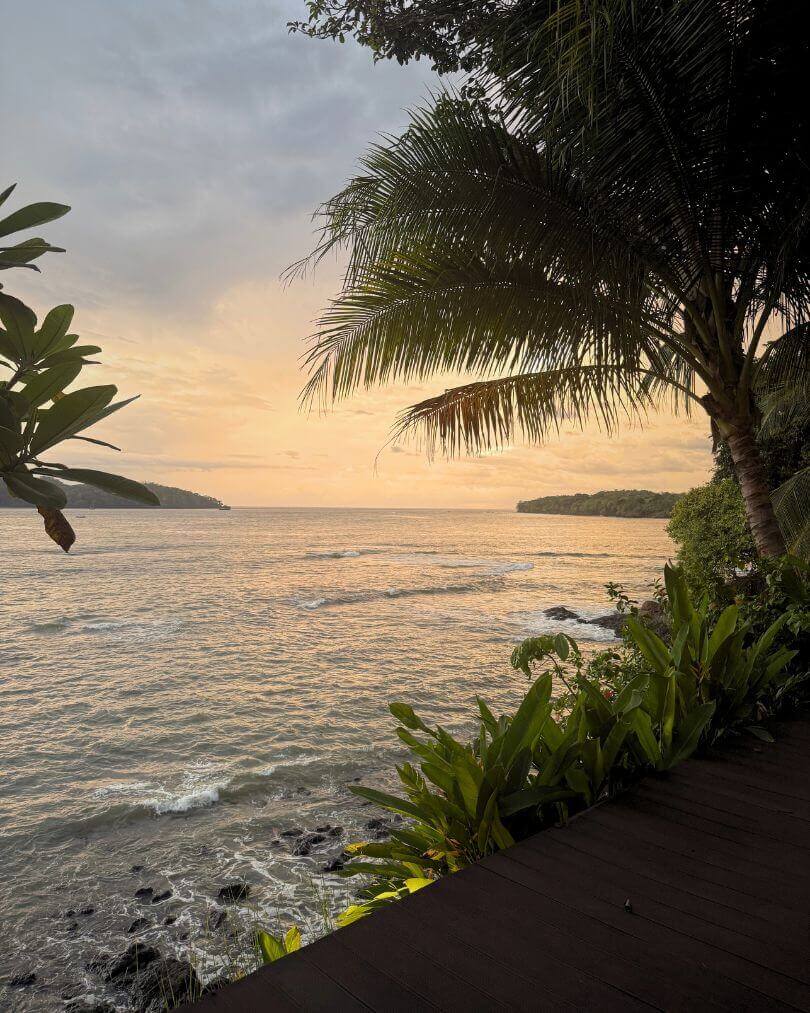
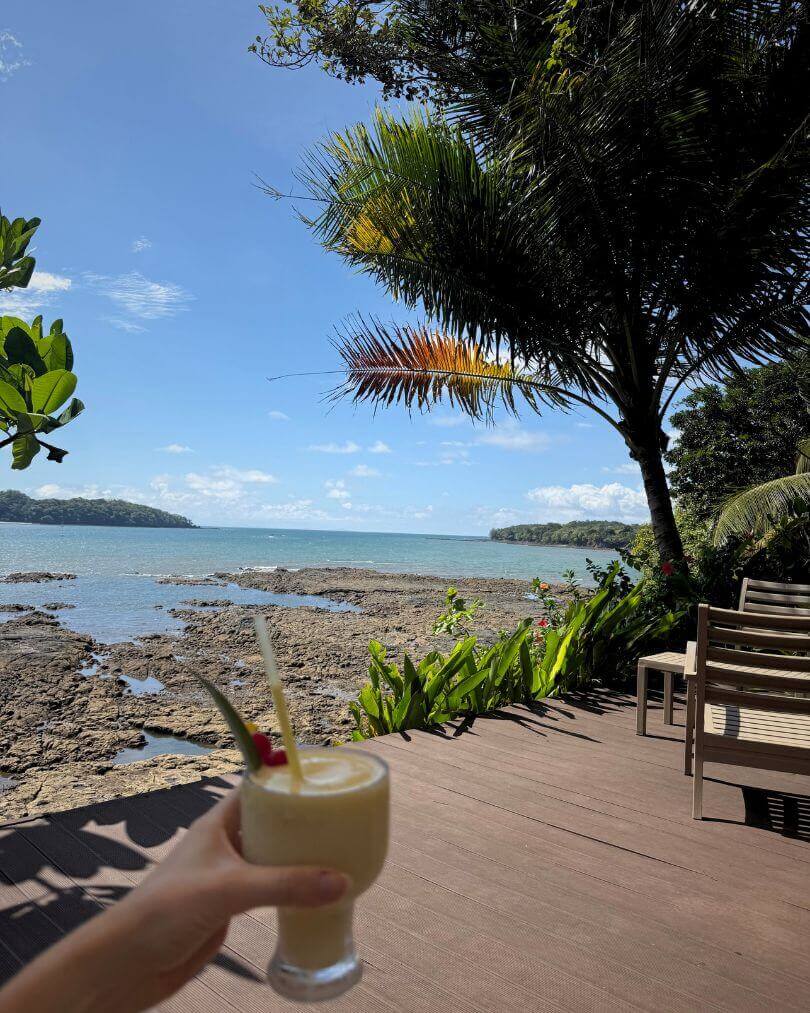
Santa Catalina is a little surfing village that isn’t (yet) very touristy and is our favourite destination in Panama. Many travellers head to Playa Venao and give Santa Catalina a miss. What a shame. Because this part of Panama feels truly authentic, and the people are incredibly friendly. What’s more, this little fishing village is one of the best surf spots in Central America and the ideal base for a visit to Coiba National Park with its impressive underwater world.
On the recommendation of a friend, we stayed at Nativo Boutique Hotel and that turned out to be a really good choice. It’s just outside the hustle and bustle, but still within walking distance of the village. At low tide, you can easily walk along the beach towards the centre, and the surfing beach is also about a twenty-minute walk away. As we had a car, we deliberately chose to stay closer to the village rather than right by the surfing beach. That way, we could easily go out for a meal or a drink in the evening, whilst still being able to get to the waves quickly during the day.
Things to do in Santa Catalina
Santa Catalina is small, laid-back and all about the sea, nature and simplicity. You don’t come here for a packed itinerary, but rather for the feeling that anything goes and nothing is compulsory. Still, there are a few things you really don’t want to miss.
- Coiba Tour: As far as we’re concerned, this is the absolute highlight of Santa Catalina. From here, you can take a day trip to Coiba National Park, where the underwater world is stunning and the beaches are almost magical. Our advice: don’t spend too much time looking for the “perfect” tour operator. Basically, they all do pretty much the same thing. In the low season, you might even find yourself sharing a boat with several other tour groups. Just choose one that feels right to you and go.
- Surfing in Santa Catalina: We went surfing here too, and we really loved it. Fancy some surfing lessons? Then head to Oasis Surf Camp. You can also just hire a board here.
What we really loved about the atmosphere here: it’s relaxed and not overcrowded. You go out into the sea a few times, then lie back on the beach for a bit, grab a drink, have a chat and hop back onto your board. No stress, no crowds. Perfect for beginners, but also ideal if you prefer a bit more space out on the waves. - Food, coffee and a cosy atmosphere: We were also pleasantly surprised by the food and drink here. Santa Catalina is small and you won’t find any trendy Instagram-hotspots there (yet), but that’s exactly what makes it so lovely. Simple, local and cosy. Why not pop into, for example:
- Jammin’ Pizzeria
- Al Mamita Restaurant
- Hunter Coffee Shop
- Beyond Waves Bar (for games and a few beers with the locals)
- Café Panachocolat (for coffee, breakfast and lunch)
- PanaWok (a sort of food truck festival)
- Sasy
- Fonda La Arena (for authentic Panamanian dishes)
The journey time from Valle de Antón to Santa Catalina is about 3 hours by car.
4. Boquete: coffee, jungle and waterfalls
After the beach and surfing, it was time for the mountains: Boquete. It took us about 4.5 hours to drive from Santa Catalina into the interior. You immediately realise you’ve arrived in a different setting. It gets cooler, greener and quieter.
Boquete is known for its natural beauty and coffee, and there are some great hikes to be had in the surrounding area through the rainforest and past waterfalls. With a bit of luck, you might even spot a quetzal. You can also visit a coffee plantation here or opt for something a bit more active, such as rafting or ziplining. Boquete itself is a nice place to have a stroll through, but it’s nothing spectacular.
Things to do in Boquete
Boquete is all about nature and coffee. Don’t expect crowded beaches here, but rather fresh mountain air, green valleys and plenty of active excursions. These are the things we did and which we highly recommend.
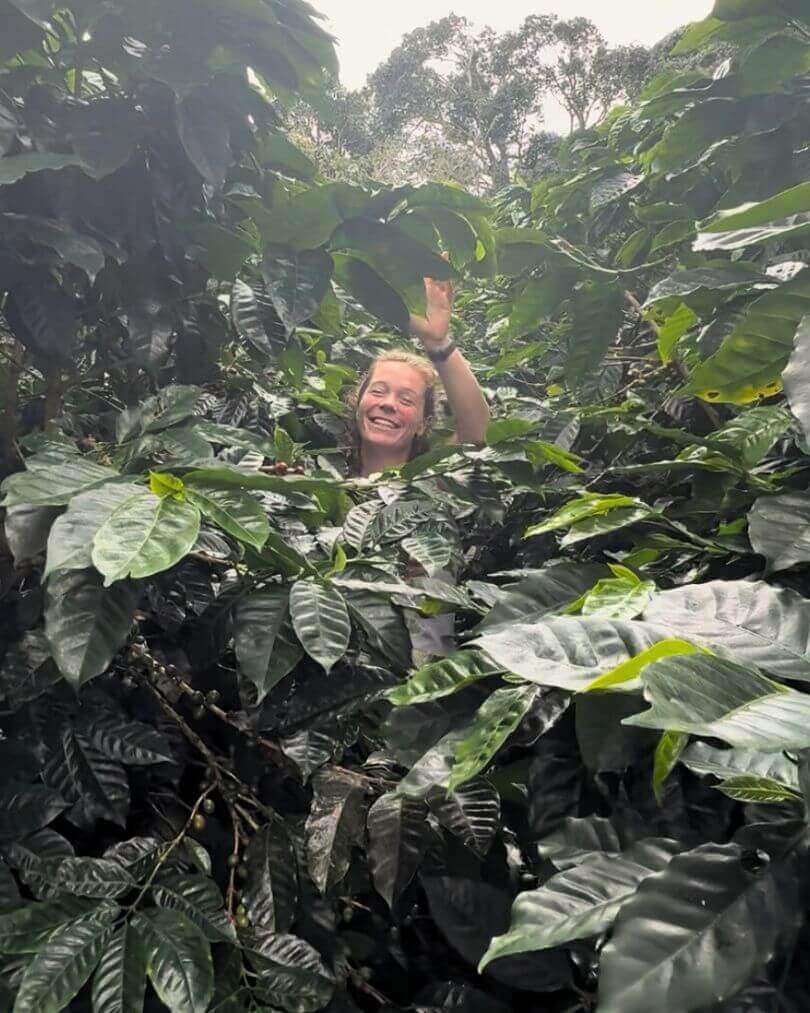
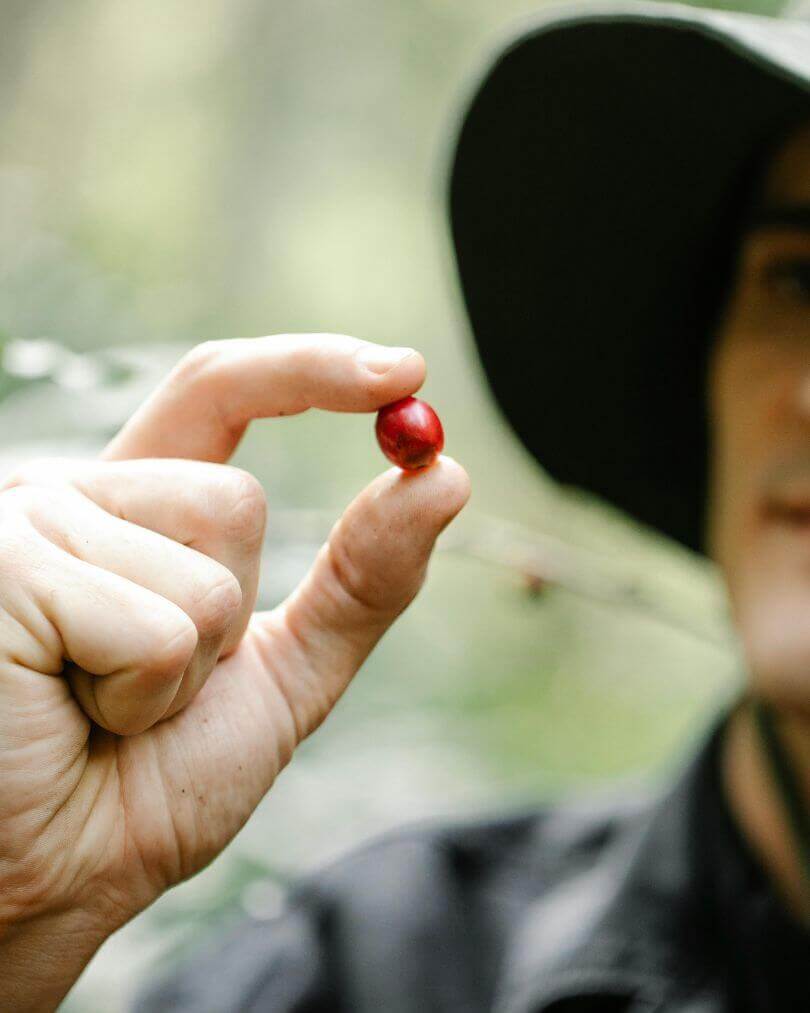
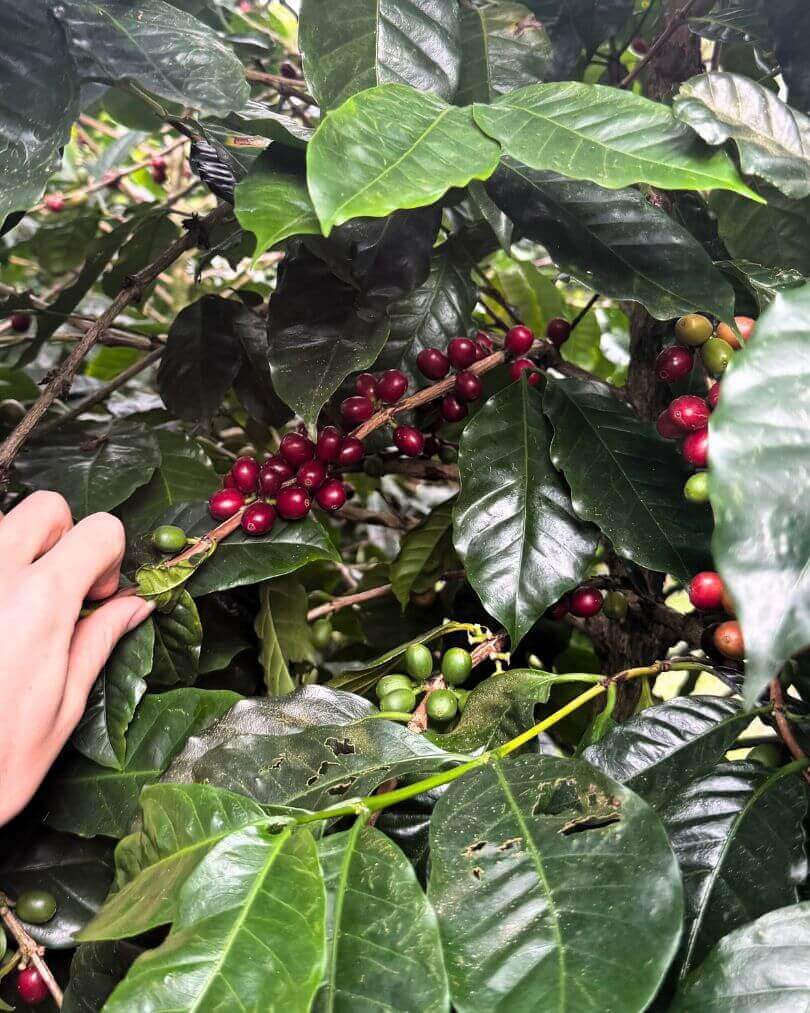
- Coffee tour at Finca Casanga (Geisha coffee): Boquete is famous for its Geisha coffee, and whilst you’re there, it’s really worth going on a coffee tour. We went to Finca Casanga. Here, you’re taken through the whole process of making coffee, but you also get to have a go yourself. Picking cherries, cleaning them, drying them, pounding them, roasting them, packing them – the whole shebang. Really interesting and hands-on too. You’ll sample various products and finish with a coffee tasting session. You’ll try different types of coffee (including Geisha), as well as different ways of brewing it. Don’t have a car? No problem. They also offer a transfer from the town centre; just ask your accommodation for the exact location.
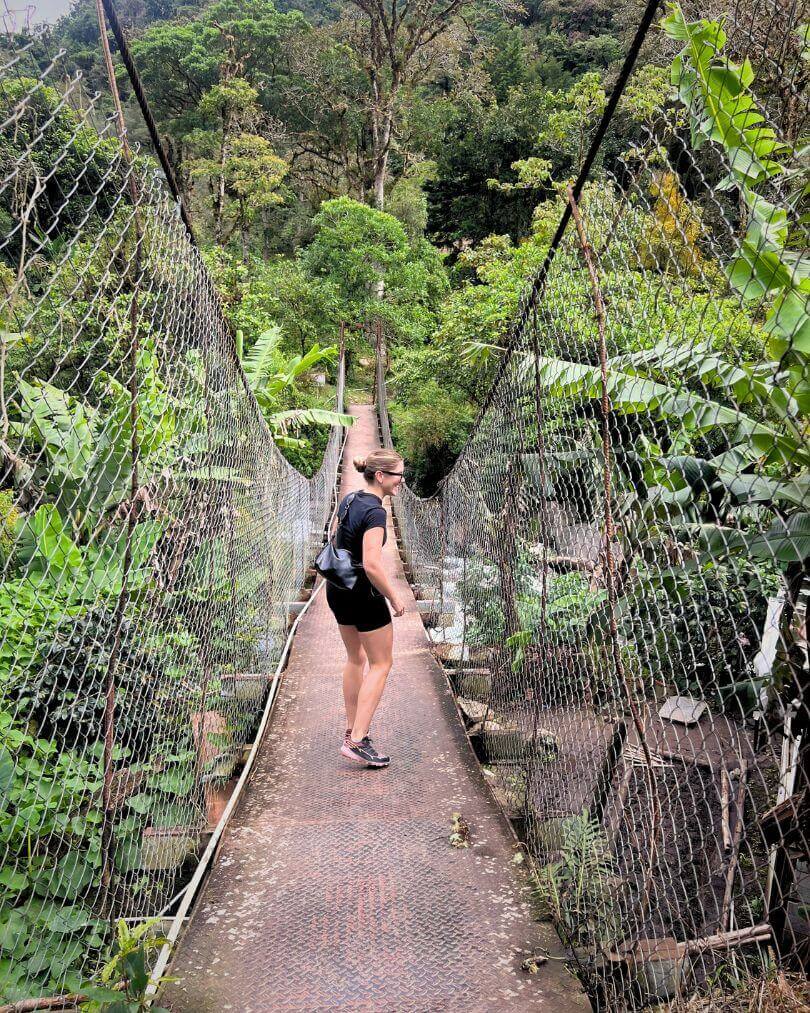
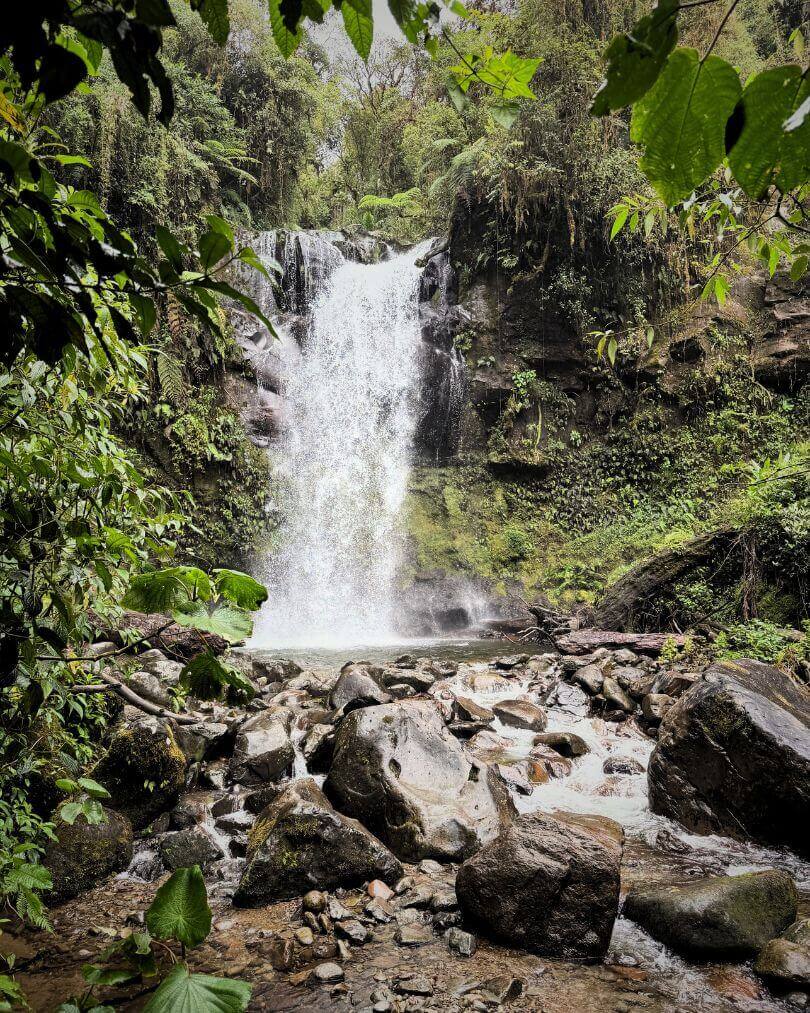
- Hidden Waterfalls hike: One of the best-known walks in Boquete is the Hidden Waterfalls hike. We did this in the morning, which was ideal in terms of the weather. You simply park your car by the roadside and walk towards the starting point. If you feel as though you’re walking onto private property: you’re right. Just carry on, cross the suspension bridge and walk uphill until you reach a small cottage where you register and pay a $5 entrance fee.
The first two waterfalls are easily accessible to almost everyone. The third requires a bit more climbing and scrambling. There are ropes in place to help you, and you’ll definitely need them. The hike is varied and enjoyable, and we were back and forth in about two hours, including a refreshing dip. - Pipeline Trail: The Pipeline Trail is a completely different experience. This route is easier and more peaceful, and you walk the whole way alongside an old water pipeline right through the middle of the jungle. The path is easy to follow and you walk back the same way. With a bit of luck, you might spot some rare birds here, including the quetzal. Unfortunately, we didn’t manage to see one. If you really want to focus on spotting them, it’s a good idea to hire a guide. If you’re mainly there for the nature, peace and quiet, and the green surroundings, you can easily do this hike on your own.
 Tip: another well-known hike is the Pianist Trail. It became particularly well-known following the disappearance of two Dutch girls. It’s very safe as long as you don’t go any further than the end point. If you want to go further, always go with a guide.
The journey time from Santa Catalina to Boquete is about 4.5 hours by car.
5. Bocas del Toro: Caribbean island vibes and island hopping
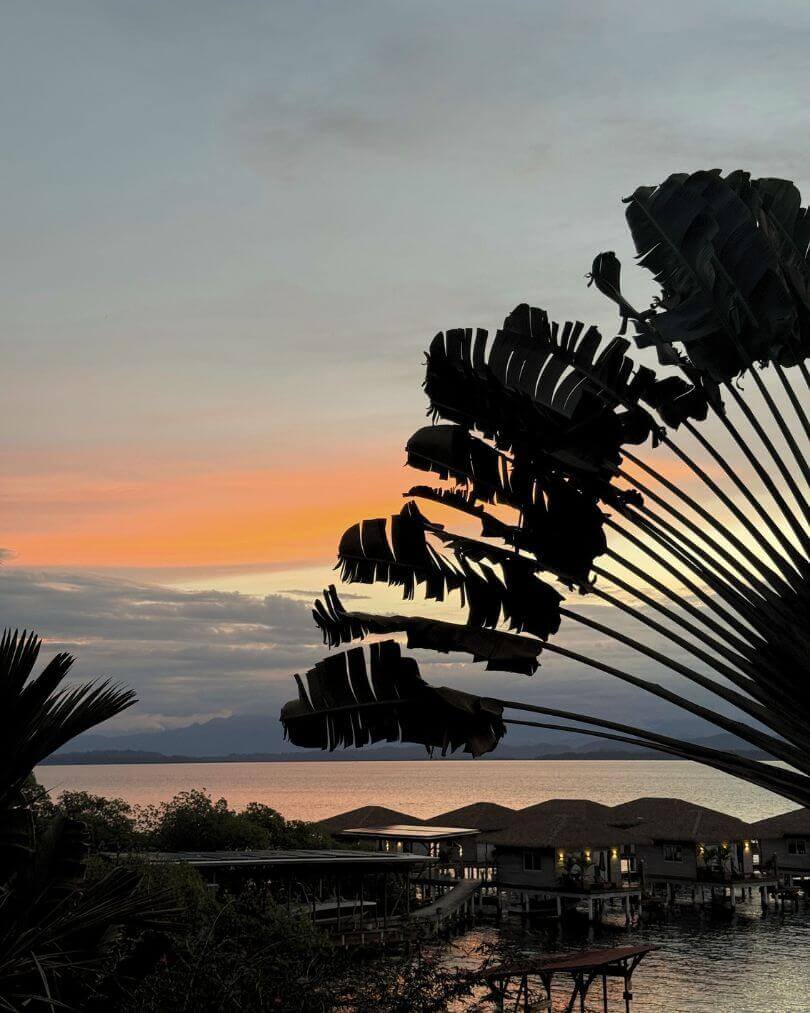
Then it’s time to get back into that ideal holiday mood! Bocas del Toro is a tropical archipelago in northern Panama and feels like the ultimate Caribbean paradise. Think colourful stilt houses over the water, palm trees, laid-back vibes and beaches where time seems to stand still.
The main island, Isla Colón, is lively and friendly, with lovely restaurants, bars and cafés. And at the same time, a short boat ride will take you to peaceful little islands, snorkelling spots and white sandy beaches in no time. Bocas is perfect if you want to relax, surf, snorkel and go island-hopping. Authentic, tropical and just a touch chaotic – and that’s exactly what makes it so much fun.
Do you want to plan your trip to Bocas del Toro properly (how to get there, which islands are the best and where to stay)? In this blog about Bocas del Toro We share all our tips, experiences and practical information!
The journey time from Boquete to Bocas del Toro is approximately 4.5–5 hours by car.
6. The San Blas Islands: a paradise where you can switch off for a while
After four wonderful days of island life in Bocas del Toro, we had a long day of travelling ahead of us. It took us about ten hours to drive back to Panama City, where we handed our car back at the airport and spent one more night in a hostel. Because the next morning, at 5.00 am, a whole new adventure began: San Blas, the final destination of our trip. And believe us: this is no ordinary destination.
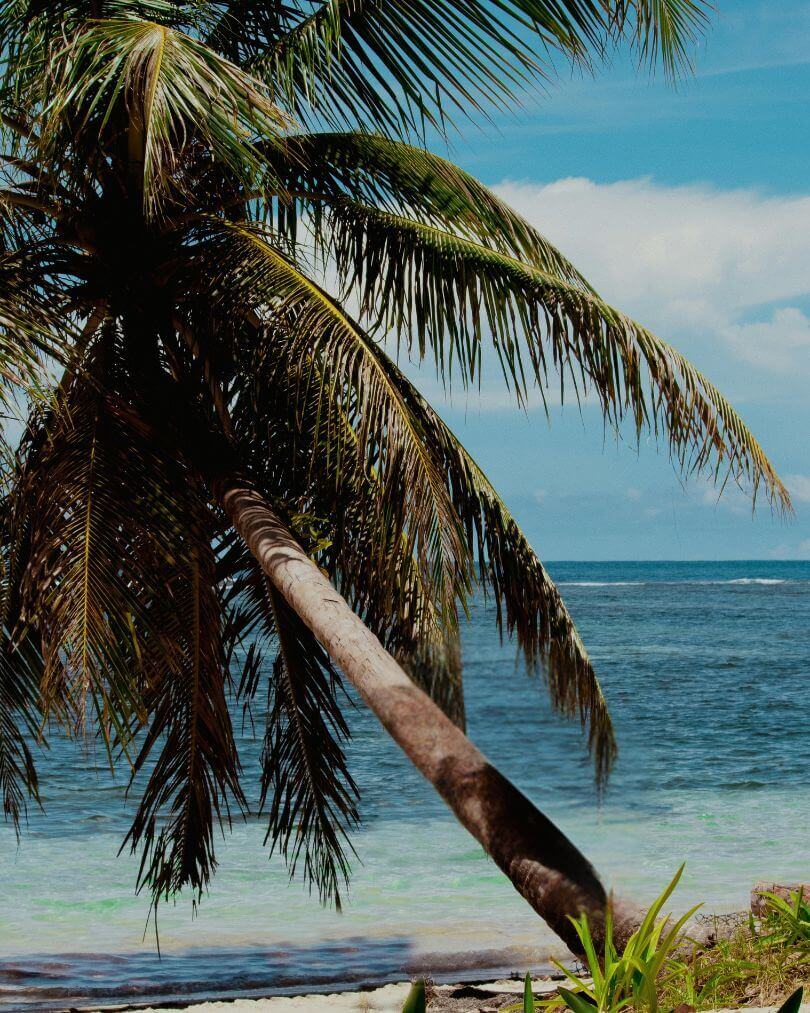
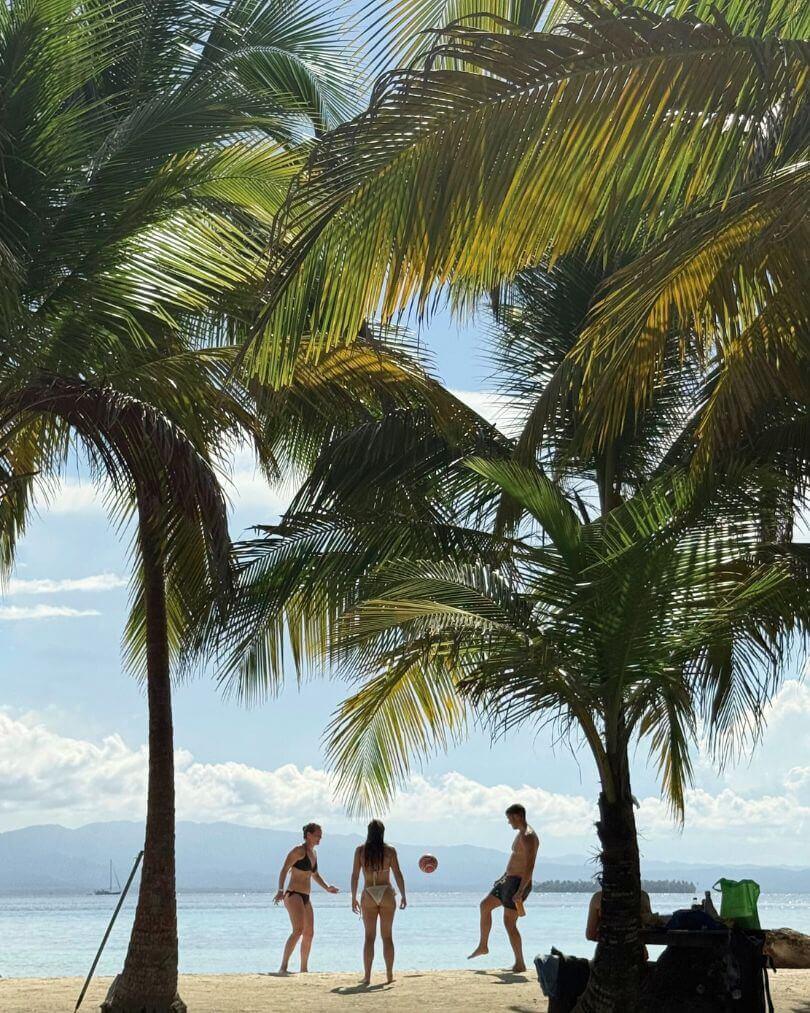
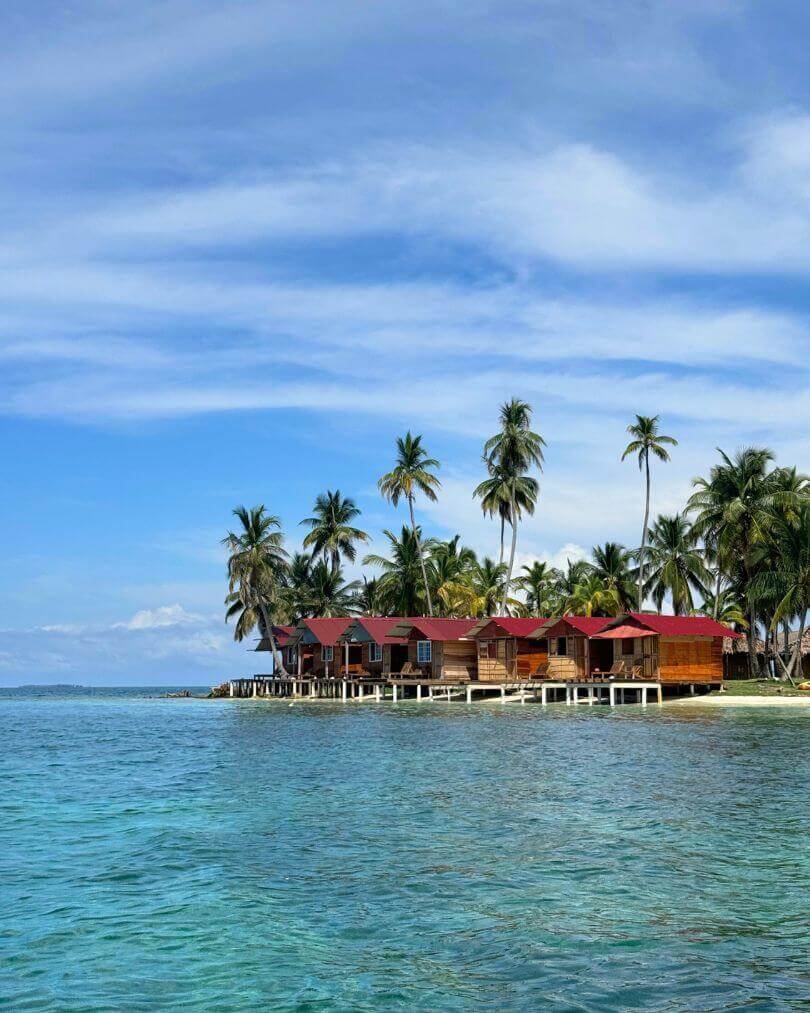
The San Blas Islands are the sort of place you normally only see on postcards. Snow-white beaches, crystal-clear turquoise water, palm trees stretching right out into the sea, and little islands you can walk round in five minutes. No resorts, no beach clubs, hardly any Wi-Fi. Just you, the sea and the gentle rustling of palm trees in the wind.
This archipelago consists of more than 360 islands, only a small proportion of which are inhabited. They lie off the Caribbean coast of Panama and are entirely governed by the Guna Yala, an indigenous people who have lived here for centuries. It is precisely because they are in charge that the islands remain so unspoilt, pristine and free from mass tourism. Read our Tips for the San Blas Islands to find out more about these beautiful islands!
The journey time from Panama City to the San Blas Islands is approximately 3–4 hours: 2–2.5 hours by 4×4 to Puerto de Cartí, plus 30–45 minutes by boat.

7. Back to Panama City (final day)
After San Blas, you head back to Panama City, and to be honest, it takes a bit of getting used to. You go from sand between your toes and silence to traffic and city life. We did quite like having one last night to wind down, sort out our things and not have to rush to catch our flight.
Frequently asked questions about our Panama itinerary
1. What is the best itinerary for Panama in two weeks?
An ideal two-week itinerary for Panama combines cities, nature, mountains and islands. A logical way to organise it is:
– 2 days in Panama City
– 2 days in Valle de Antón
– 2 days in Santa Catalina
– 2 days in Boquete
– 3 days in Bocas del Toro
– 1–2 days in San Blas
– 1 final night in Panama City
That way, you can see the main highlights without having to rush around every day. Are you short on time? If so, you can cut short your visit to Santa Catalina, Bocas del Toro or Valle de Antón.
2. When is the best time to visit Panama?
The best time to visit Panama is from December to April. This is the dry season, with plenty of sunshine and little rain. If you’re travelling during the rainy season (May to November), you’ll often experience short, heavy showers, usually in the late afternoon. That said, the countryside is greener at this time of year and prices are often lower.
3. Do you need a visa for Panama if you’re travelling from the Netherlands or Belgium?
No, as a Dutch or Belgian national, you do not need a visa for a stay of up to 90 days in Panama. However, you must:
– Hold a passport that is valid for at least another 6 months
– Be able to show a return or through ticket
– Sometimes, you may need to prove that you have sufficient financial resources
For the most up-to-date information check the website of NetherlandsWorldwide.
4. Is Panama an expensive country to travel around?
Panama is more affordable than many people think, especially compared to Costa Rica. To give you an idea:
- Rental car: from €30–45 per day
- Eating at a local restaurant: around €5–11 per person
- Mid-range hotel: around €45–110 per night
- Tours & activities: around €35–90 per person
It’s not a backpack destination like Nicaragua, but it’s certainly affordable on an average travel budget.
5. What is the best route in Panama for nature and adventure?
Are you mainly looking for nature and adventure? Then this is a great combination:
– Panama City (Metropolitan Park or Ancon Hill)
– Valle de Antón (hikes and waterfalls)
– Santa Catalina (snorkelling and surfing in Coiba)
– Boquete (waterfalls, jungle hikes, coffee plantations)
– Bocas del Toro (island hopping and snorkelling)
This itinerary combines jungle, mountains, the ocean and Caribbean islands.
6. How can I find cheap flights to Panama City?
Flights to Panama City are often cheapest outside the high season (May–November, excluding the summer holidays). Our top tips:
– Compare prices via Skyscanner or Google Flights
– Book 3–6 months in advance
– Be flexible with your departure dates
– Consider flights with a stopover in Madrid or the US
On average, you’ll pay between €500 and €900 for a return ticket, depending on the season and your point of departure.
7. Is it better to organise your trip yourself or through a travel agency?
Panama is easy to navigate, making it ideal for putting together your own itinerary. With a hire car and accommodation booked in advance, you can travel flexibly and it’s usually cheaper. Would you prefer to have everything arranged in advance and avoid the hassle of researching? Then a travel agency might be a good option. For most travellers, however, organising your own trip in Panama is perfectly manageable.
8. What’s the best way to book activities in Panama?
You can easily book most activities through your accommodation. Hotels and guesthouses often work with reliable local providers and can arrange tours for you straight away. Would you prefer to book something in advance or compare prices? Then a platform such as GetYourGuide Handy. Here you can read reviews, check availability and book directly online.
9. What is the minimum number of days you need for Panama?
You’ll need at least 14 days to see the highlights. With three weeks, you’ll be able to travel at a much more relaxed pace and spend longer in lovely places. We don’t recommend a trip shorter than 12 days if you want to combine several regions.
10. Where is the best place to stay in Panama City?
The best neighbourhood to stay in Panama City is Casco Viejo. This historic centre is full of character, safe and brimming with restaurants, cafés and rooftop bars. The modern part of the city boasts an impressive skyline, but is less pleasant for an overnight stay. For atmosphere and location, Casco Viejo is your best bet. Take a look here the best accommodation in Casco Viejo.

To conclude: would you recommend Panama?
Yes. One hundred per cent. Panama is one of those destinations where, in a short space of time, you get to see so many different worlds: a bustling city, lush mountainous regions, a surf vibe on the coast, Caribbean islands and, as the icing on the cake, San Blas – a place of almost unreal beauty.
We hope this blog post about our Panama itinerary will help you plan your ideal tour of Panama. If you still have any questions about the route, transport or specific stops after reading this, please feel free to send us a message via Instagram or e-mail us at info@thousandtravelmiles.nl. For now: have lots of fun planning your adventure in Panama!
We’re trying to write this blog post about ‘itineraries in Panama’‘ as up-to-date as possible but this cannot be done without your help. If anything has changed, please let us know via info@thousandtravelmiles.nl.
Some of the links in this blog post about ‘Panama itinerary’ are affiliate links. If you choose to make a purchase via these links, we’ll receive a small commission at no extra cost to you. By using these affiliate links, you’re supporting Thousandtravelmiles. This enables us to travel the world, fund the website and offer you free information to help you plan your trip. It means that a ‘real’ person does a little happy dance whenever you make a purchase via this link! You’re a legend!