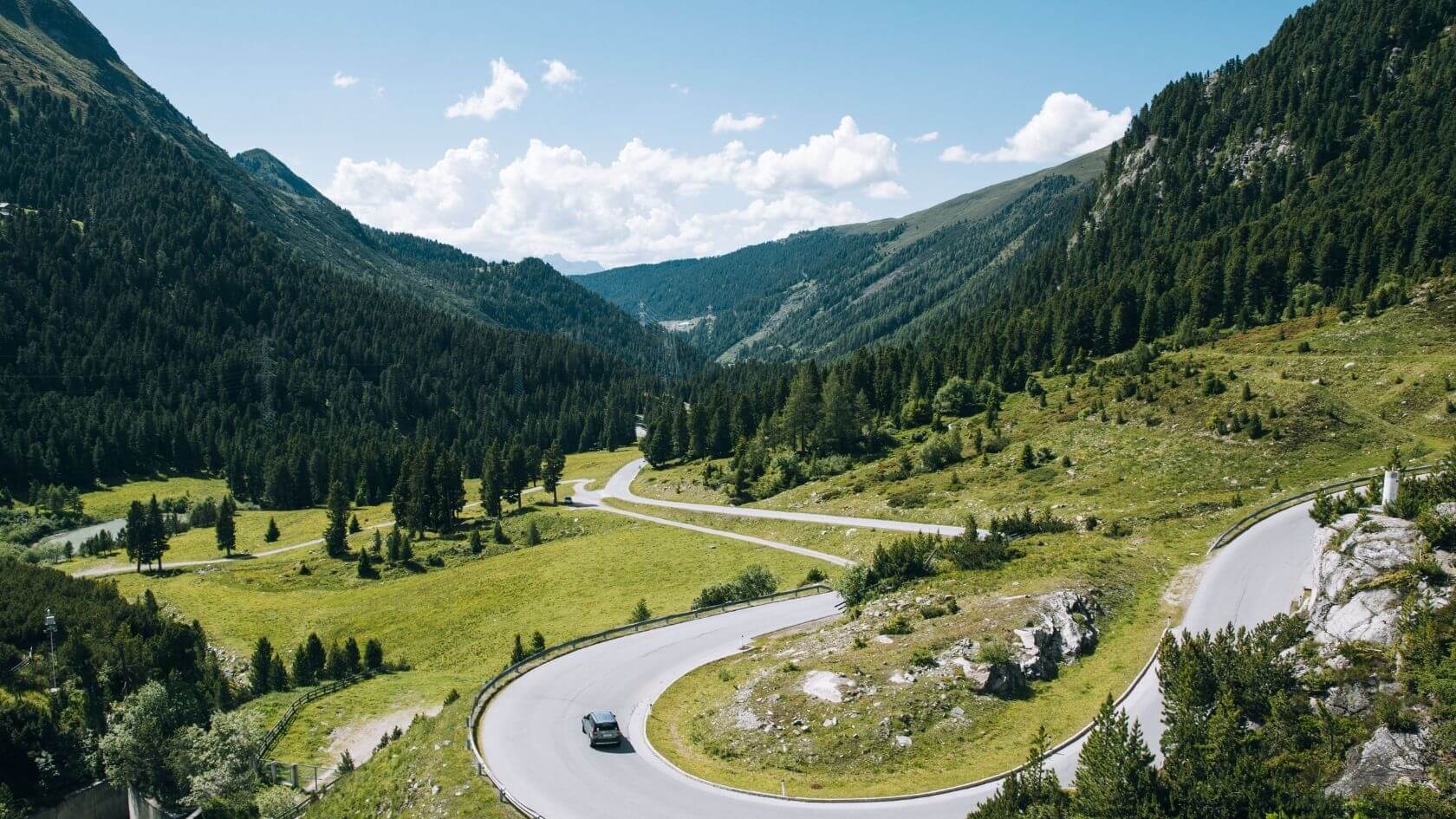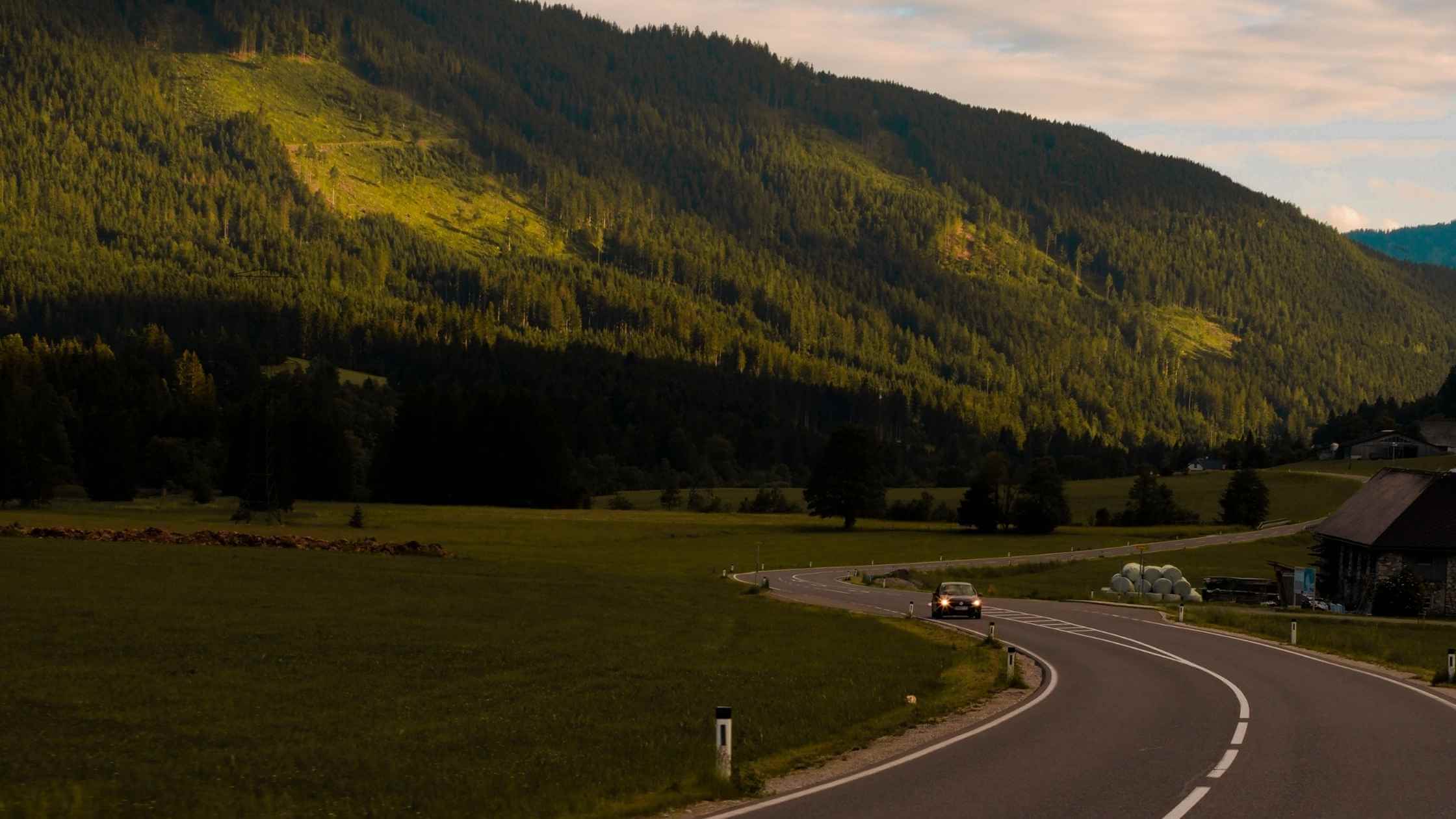

Do you dream of a trip that really suits you without the price tag of an expensive tour operator? Good news: planning a trip yourself is often easier than you think and it is also fun and cheaper! More and more people are discovering how easy and adventurous it is to arrange a trip by yourself. We have been doing it for years (matter of small budget as students) and try to convince as many people as possible to do it too. Not only is it cheaper, but you have all the freedom to set your itinerary and pace. No tight schedule, no standard hotels, just a trip the way you want it.
In this blog, we explain to you step by step how to put together your own round trip, from itinerary to accommodation and from transport to budget. We also share handy tips and tools to help you get started without stress.



Why put together your own round trip?
Let's start with the fact that we have absolutely nothing against travel agents. In fact, over the past few years, there have been more and more cool travel companies offering unique experiences and mega cool trips. These tour operators offer you convenience: click, book and done! But you can pay quite a bit for convenience. And what they can do, so can you! Because if you plan it yourself:
- You set the pace of your journey
- Choose accommodation that suits you
- Save on commissions and overheads
- Experience more contact with locals
However, it is useful to get some tips on this, because when you plan a 3-week round trip, you need to figure out quite a lot. So you need to compare a number of things, read up on them and sometimes be a bit creative. Especially when you have a small budget!
But by no means let this stop you. After all, we have been planning our own trips for years, including within Europe, and it actually always pays off. And perhaps most importantly: it's part of the fun beforehand! Tracking down special places, small-scale accommodation and unique itineraries yourself makes the trip more personal and valuable.



Planning your own trip in 9 easy steps
Planning your own trip may seem overwhelming at first, but with the right approach, it is much easier than you think. By proceeding step by step, you will keep an overview and make sure you don't forget anything. In these nine simple steps, we will take you from determining your budget to arranging your travel insurance. In this way, you will create your own tour with confidence and pleasure, fully tailored to your wishes and pace. Whether you are a first-time self-booker or already have some experience, these steps will get you started to make your next trip an unforgettable adventure.
 An important tip: Figure everything out first, then book.
We totally get it: that gorgeous hotel in Bali with infinity pool and delicious breakfast looks irresistible. Yet we advise you to think out your entire trip first. By that we mean really everything, from your itinerary to transport. Why? Because you will save yourself a lot of hassle and extra costs. If you book accommodation without a logical route, you will be stuck with impractical travel dates and destinations. Sometimes flights are cheap, but rental cars are expensive or transport is inconvenient. So that ‘deal’ can still turn out expensive.
1. Determine your budget
Perhaps the least fun but most interesting if you are going to put together your own round trip. We never pinpoint a fixed amount but always an approximate one, so between €1500 - €2000 per person for example. This budget then applies to everything: our flight tickets, transport, food, drinks and activities. Now we hear people thinking, “That budget will get you nowhere,” but that's not true! You just have to choose well. Because for some countries, airfare is expensive but living expenses are cheap, and visa versa. And... then, of course, you also have countries that are a bit more expensive anyway. So first set an overall budget. Think about costs for:
- Airline tickets
- Accommodations
- Transport on site (rental car, scooter, bus)
- Activities and excursions
- Food & drink
- Travel insurance and visas
Check our destination pages for our travel budgets as a starting point or use tools like Budgetyourtrip to get a rough idea.
 Book everything separately! This is really a lot cheaper than booking complete trips.
2. Determine your destination(s) and travel time
Now that you know what your budget is, you can start dreaming. This seems like a simple step, but there is more to it than meets the eye. Think about where you want to go and in what time period. Consider climate, seasons, holidays, and whether there are certain risks (e.g. rainy season, hurricanes, political unrest). So just in summary:
- What does your ideal round trip look like? Do you like adventure and culture or do you want to go to beautiful beaches and preferably lie in the sun all day? Or... maybe you want both?
- When do you want to go on a trip? Do you have a fixed date you have to stick to because of work or friends? Then some destinations often fall by the wayside. So first check whether your ideal round trip is suitable for the period you want to go.
- How long do you want to go? This too is important to determine first. If you only have 2 weeks, then the really faraway destinations like Australia, for example, are already off the table for us.
- What do you need to arrange? Check out information on vaccinations, security and visa regulations in advance so you know what to arrange once the flight tickets are booked!
Tip: For up-to-date visa and travel information, always check the website of NetherlandsWorldwide. Here you will find the latest updates and changes about a countries.



3. Do research on your ideal itinerary
We could really spend hours on this because, in our opinion, this is where the fun starts. We catch ourselves already having categorised folders with dream destinations, handy Instagram tips and Pinterest links to different itineraries. To finally determine your ultimate travel itinerary, it is useful to proceed step by step and delve further into your destinations.
- Where are you coming from? See where most flights fly to from the Netherlands or Belgium. Do you have several options? Great, then this can sometimes save dozens of euros on a flight.
- Check your flight options in advance! Go ahead and see what the options are and compare flight tickets at parties like Skyscanner or Google Flights.
- What are the country's highlights? We actually always start our search in Google and find out what the highlights and most beautiful places are. You often don't have to search long for this because asking “What are the highlights of country X?” brings up hundreds of travel blogs.
- Check out ready-made itineraries! Fortunately, you don't have to figure everything out. If you know which highlights you'd like to see, you can check online which ready-made itineraries match them. For this too, you can check blogs like ours or travel agents. See what these round trips look like and maybe you will discover new places that you think are worth seeing too!
- What are the transport options? Look at which transport option best suits your needs. This could be a rental car, but if you are going to Asia goes you will arrange a lot on the spot, so then again it saves arranging things in advance.
Tip: Also check out Instagram and Pinterest for inspiration!
4. Creating the itinerary
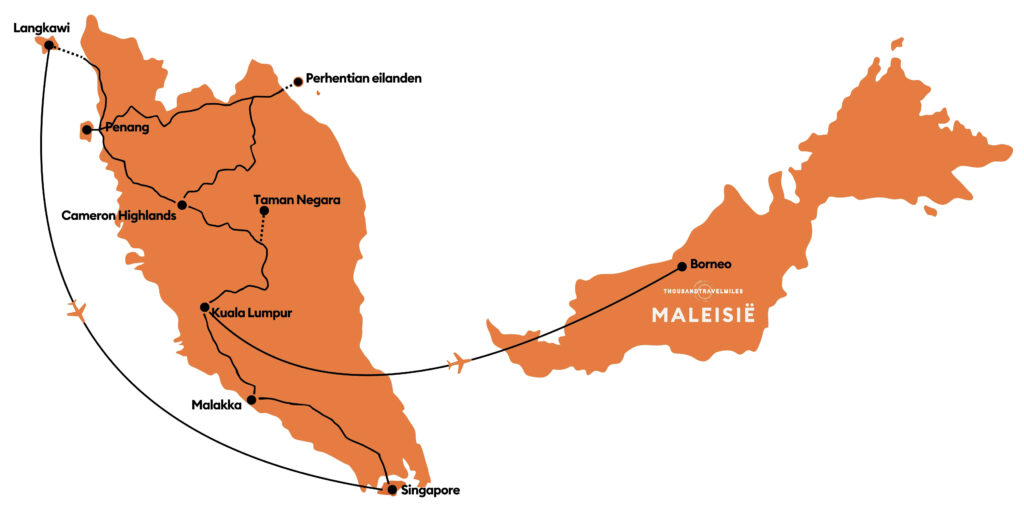
Now that you have gathered all the information together and found a good flight ticket, you can put together your round trip. Look at the destinations and routes you saved earlier and create an itinerary that suits your needs. Think about how you will travel between the different places.
Tip: Do you want to get from A to B with a rental car? Then check immediately whether it is available and what the cost is for your travel period. We ourselves almost always choose Sunnycars.co.uk, because it is by far the most reliable option. With their clear terms and conditions and all-inclusive service, you are always well insured, with no hidden costs.
A handy way to keep an overview is to put everything in an Excel sheet or Google Sheet. Create columns for your travel dates, places to stay, transport, costs and extra notes. This way, you keep it organised and avoid double bookings or illogical travel days.
Just a few more questions to ask yourself when creating a route:
- Where do you start your journey, what are your stopovers and where do you end?
- How many nights do you plan to stay in each place?
- How do you travel from one place to another and what are the costs? In some countries, it is smart to book transport, such as a train or bus, in advance.
- What is the distance between different places and can I maybe combine sightseeing?
Only when your itinerary is logical and feasible in terms of time, distance and budget? Then you can start booking!
5. Compare airline tickets
Once you know what your itinerary is going to be and when you want to go, it's time to compare airline tickets. Use comparison sites like Skyscanner, Momondo or Google Flights. Set price alerts, fly flexibly (e.g. a day earlier or later), and compare multiple departure and arrival airports.
Nicely said of course but how do you actually do that? Comparing airline tickets? Below we explain it to you in a few steps.
Step 1: Map your destination airport
Decide which airport you want to land at by checking which option best fits your itinerary. Sometimes an airport just outside your planned route may be cheaper or more practical.
Step 2: Choose your ideal travel dates (but stay flexible)
Decide on a provisional departure and return date. Try to leave some leeway in this. If you can agree with your work that you can leave a day earlier or later, this can make a big difference to the ticket price.
Step 3: Research your departure airports
See which airports you can depart from. Only the Netherlands? Or are airports in Belgium or Germany also an option? Consider both small regional airports (such as Eindhoven or Weeze) and large international airports (such as Schiphol or Zaventem).
Step 4: Create combinations of departure and arrival airports
Try out different combinations. Departing from Eindhoven and landing in Bangkok or Kuala Lumpur? Or perhaps return via another city? Being flexible often pays off.
Step 5: Experiment with travel dates
Shift your dates forward or back a few days. Flying on a weekday (such as Wednesday or Tuesday) is often cheaper than on the weekend.
Step 6: Compare prices on reliable platforms
Use tools such as Skyscanner, Google Flights, Momondo or Kayak to quickly compare multiple options. Turn on alerts for price drops if you don't want to book right away yet.
6. Booking flight tickets
Have you planned your trip and arranged time off work? Then it's time to really book your flight tickets. This is best done directly through the airline itself, such as KLM, Transavia, Etihad Airways, Emirates, Singapore Airlines or Air Canada. This gives you more certainty and often better support in case of delays or changes. Please note that after booking you are usually bound by the terms and conditions of the ticket. Cancellations or changes are not always free of charge, so be sure to read the small print before confirming.
7. Arrange transport
Going backpacken? Then in many countries you can arrange local transport just fine on the spot. Think buses, domestic flights or trains. Yet these days you can also book many tickets online in advance, ideal in busy seasons or if you have a tight schedule. Personally, for travelling in Asia, we like to use 12GoAsia: super easy, and you can book both last minute and in advance. Other useful links are:
- 12Go (Global) - Wider offer than just Asia. Besides Southeast Asia, 12Go now also offers routes in Australia, Oceania and parts of Latin and South America.
- Klook - Worldwide. Popular platform for booking transport, tours, activities and entrance tickets. Ideal for quick online bookings of transfers, trains, bus passes and even local SIM cards. Especially popular in Asia, but continues to expand globally.
- Omio - Europe and US. Popular app and website for booking train, bus and air tickets in Europe and parts of North America. Works with Flixbus, Deutsche Bahn and Eurostar, among others.
- Bookaway - Asia, Latin America and Eastern Europe. Alternative to 12Go Asia with direct booking options for buses, ferries, trains and transfers. Especially strong in less accessible regions.
- Trainline - Europe and the UK. Book European trains through one platform. Works with major train companies such as TGV, Thalys, Trenitalia and Renfe. Also ideal for international train travel.
Are you going to travel around with a hire car? Then it's smart to book it online in advance. We ourselves have good experiences with Sunnycars and actually always recommend them.

Read also: Using Polarsteps app: 10-step plan + tips and explanations
Read also: Maps.me: The free offline navigation app for travellers!
8. Booking accommodations (or not)
A question we often get: do you book accommodation in advance? In most cases we don't, but there are certainly destinations or situations where it is smart. Are you in doubt? Then ask yourself these two questions:
1. How long will you be on the road? Are you only travelling for a few weeks, say two to three? Then it's nice to have your accommodations booked in advance. That way, you won't have to search during your trip and you can fully focus on enjoying yourself. If you are travelling for a longer period, you can often book day to day. Or you plan only the first nights ahead. That gives you the freedom to make spontaneous decisions and adjust your itinerary along the way.
2. Want to spend the night in a special place? Dreaming of a night in a treehouse, eco-lodge or accommodation with spectacular views? Then it is smart to book in time. These unique accommodations are often quickly fully booked.
We often book last minute, but do shortlist in advance in Booking.com, Hostelworld or Airbnb. This way, we have a few favourites ready in advance at each destination. This saves us a lot of searching on the spot. We usually keep around six accommodations per location in mind and there is always one available. Other handy websites are:
- Vrbo - Worldwide. Focuses on holiday homes and flats, especially for families or larger travel groups. Less on offer than Airbnb, but often quieter and more professional rentals.
- Expedia - Worldwide. All-in-one platform for flights, hotels and rental cars. Useful for complete packages and combining bookings. Often with extra discounts on combined deals.
- Agoda - Global (strong in Asia). Known for keen hotel deals, especially in Southeast Asia. Large selection of budget and mid-range accommodation, with regular exclusive discounts for app users.
- Hotels.com - Worldwide. Similar to Booking.com, with a loyalty programme where you get a free night after 10 nights. Ideal for those who book hotels regularly.
Tip: In some countries, especially in Asia, you can still negotiate the price on the spot. But in many cases, online fares are similar to what you pay locally.
9. Take care of other important matters
If you have followed the above steps, your trip is mostly settled. Nice going! Still, there are a few practical things you'll want to pay attention to beforehand. For example, consider the following:
Booking activities and tours
For some tours and activities, it is smart to book in advance. Think of popular hikes, safaris or unique excursions with limited availability. Check in advance what you really don't want to miss and preferably book in time.
Passport, visa, vaccinations and documents
Not the most fun part, but incredibly important. Check well in advance if:
- your passport is still valid long enough,
- you need a visa (including for any transit countries),
- you need travel vaccinations (such as hepatitis or DTP),
- you need to arrange an international driving licence (for car hire),
- you need vignettes or environmental stickers (such as for Switzerland).
Tip: On our destination pages we share useful info per country on how to apply for a visa, the best travel period and vaccinations incl. useful websites to reliable authorities.
Arranging transport to the airport or parking
Consider in time how you will travel to the airport on the day of departure Flying early? Then consider a hotel stay near the airport. Around Schiphol you will find many affordable and fine options. Going by car? Book a parking space in advance, for example via Parkos.
Travel and cancellation insurance
Good insurance is essential, even if you arrange everything yourself. Look carefully at the cover, especially if you are taking valuables with you or have planned adventurous activities. We have continuous travel insurance with the ANWB. Easily arranged and reliable.
Preparing money matters properly
Set your debit card to ‘worldwide’ before you leave and take a credit card with you: it is often required when renting a car or paying a deposit. We ourselves always withdraw at the airport as soon as we arrive.
The advantages of composing your own round trip
Still not convinced? Composing your own round trip means travelling your way. You create a trip that exactly matches your wishes, pace and interests. This not only provides a unique experience, but also brings many benefits, namely:
- Full customisation: You decide where to go, how long to stay and which accommodation to sleep in. No standard programme, but a trip that really suits you.
- Freedom and flexibility: You travel at your own pace and can change your plans along the way if you wish. Stay somewhere longer? No problem. That's exactly what makes it so nice.
- More adventure: No set route or pre-programmed excursions, but the freedom to choose your own path. This often yields the most beautiful and unexpected moments.
- Often cheaper: If you book smart and arrange some things on the spot, a self-organised trip can be considerably cheaper than an organised trip with a travel agency.
Of course, it does take some preparation. Arranging everything yourself takes time, and if something goes wrong along the way, you have to fix it yourself. But that is exactly what makes it so valuable, if you ask us! After all, it's about more than the excursions or your hotels but rather the whole trip! Just saying: A journey of a Thousandtravelmiles begins with step 1!
 Tip: Book tickets for popular attractions online in advance. That way you won't have to queue up at the venue and you can be sure not to miss the sunset, for example.

We hope we have convinced you and answered the question: Why should I put together my own round trip? If you have any further questions or comments, send us a message at Instagram or info@thousandtravelmiles.nl.
We try to keep this blog about ‘creating your own ideal roundtrip’ as up-to-date as possible but this cannot be done without your help. If anything has changed, please let us know via info@thousandtravelmiles.nl.
Some of the links in this blog about ‘creating your own ideal roundtrip’ are affiliate links. If you choose to make a purchase through these links, we receive a small commission at no extra cost to you. By using these affiliate links, you support Thousandtravelmiles. This allows us to roam the world, fund the website and offer you free information for planning your trip. This means that a ‘real’ person will do a little joy dance if you make a purchase through this link! You're a legend!